Top Landscaping Services in Clarence Center, NY, 14031 | Compare & Call
There are 156 landscaping companies server in Clarence Center NY
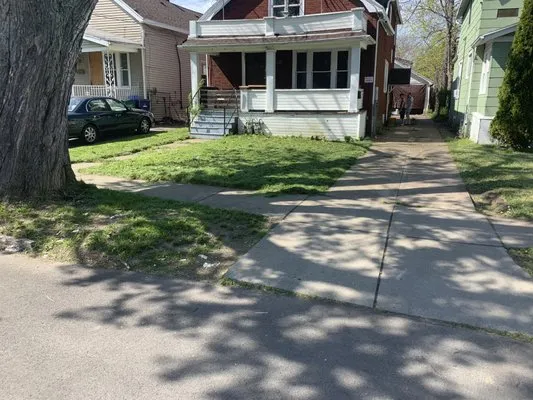
Royalty's Landscaping is a full-service landscaping company serving Buffalo, NY, and the surrounding areas. We specialize in transforming outdoor spaces through comprehensive services including earthm...
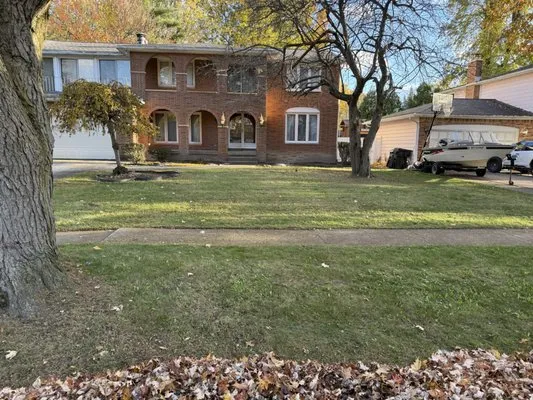
TG Lawn Care Services is a trusted local provider in Amherst, NY, specializing in comprehensive lawn care solutions tailored to the unique challenges of Western New York homeowners. We understand that...
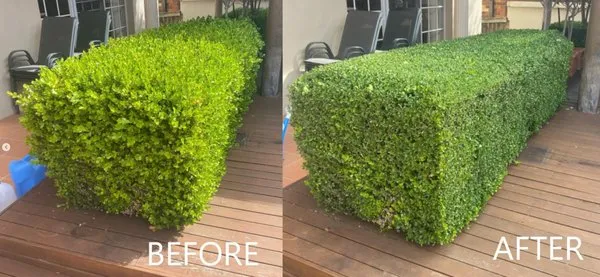
Amherst Landscaping has been a trusted name in Williamsville for years, providing reliable and professional outdoor services to our community. We understand the unique challenges of Western New York's...
Reel Tree Service is a locally owned and operated tree care and landscaping company serving Buffalo, NY. We specialize in comprehensive tree and shrub services, from planting and pruning to disease ma...
K&A Ponds has been a trusted landscaping partner for homeowners in Clarence, NY, and the broader Buffalo and Rochester regions since 1985. Specializing in custom pond installations, pond cleaning, and...
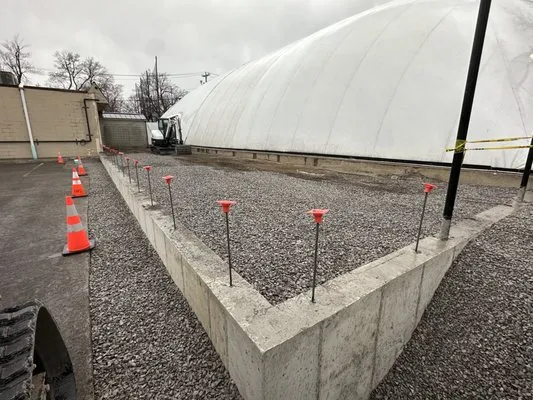
Piersa Enterprises Inc. is a trusted, family-owned and operated business serving Collins, NY, and the greater Western New York community. With decades of combined experience, we provide reliable, full...
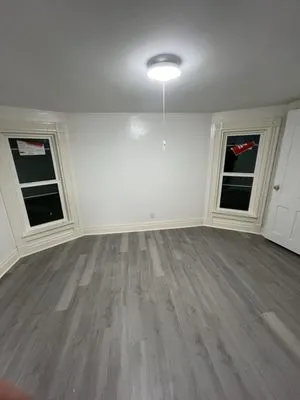
Mandujano Landscaping & Remodeling
Mandujano Landscaping & Remodeling is a trusted local provider in Lockport, NY, offering a comprehensive blend of landscaping and remodeling services. We focus on delivering dependable results for bot...
Purple Frog Landscaping provides expert landscaping services to homes and businesses in Amherst, NY. We understand that local homeowners often face frustrating issues like sprinkler leaks, which waste...
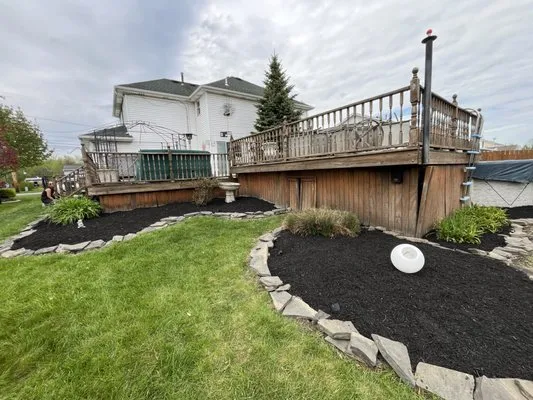
716 Landscaping & Property Maintenance is a Cheektowaga-based landscaping company dedicated to enhancing outdoor spaces across Western New York. We specialize in comprehensive property care, from rout...
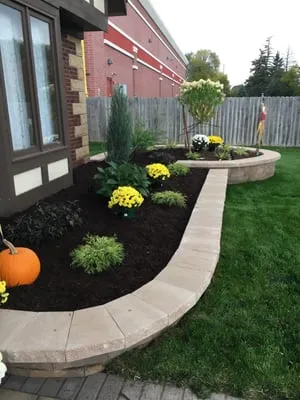
Stonish's Lawn Care & Snowplowing is a locally owned and operated business serving Amherst, NY, and the wider Western New York area. Founded as a dedicated lawn care service, we expanded to meet our c...
Estimated Landscaping Service Costs in Clarence Center, NY
FAQs
What permits or licenses are needed for a major landscaping project?
Any significant grading, drainage alteration, or structural work on a 0.5-acre lot typically requires a permit from the Town of Clarence Planning and Zoning Office. Furthermore, contractors performing this work must hold the appropriate Home Improvement Contractor license through the NYS Department of State. This ensures they are bonded and insured, protecting your property. Always verify this licensing before contracting for earth-moving or permanent installations.
Are bluestone and stamped concrete durable choices for our climate?
Both are excellent, durable materials for our freeze-thaw cycles. Bluestone is a natural stone with high compressive strength, while properly installed stamped concrete with control joints resists cracking. Compared to wood, they offer vastly superior longevity with minimal maintenance. In higher-risk Firewise zones, these non-combustible materials also contribute to defensible space, though Clarence Center currently has a low rating.
Is there a lower-maintenance alternative to my traditional grass lawn?
Yes, transitioning areas to a native plant community is highly effective. Species like Little Bluestem, Wild Bergamot, and New England Aster are adapted to Zone 6a and require no fertilization, minimal watering, and infrequent cutting. This reduces fuel consumption and noise, aligning with future trends in electric equipment mandates. Such plantings support local pollinators and require no fertilizer or weekly mowing. This approach future-proofs your landscape against potential gas-powered equipment restrictions and aligns with 2026 biodiversity goals.
What invasive plants should I watch for, and how do I control them?
Common invasive alerts in Zone 6a include Japanese Knotweed, Garlic Mustard, and Oriental Bittersweet. Manual removal is best for small infestations. For larger issues, targeted herbicide application by a licensed professional is often required, with strict adherence to NYS nutrient runoff laws that prohibit phosphorus and dictate seasonal blackout dates. Always identify the species first, as treatment timing and method are critical for effective, legal control.
My yard stays soggy for days. What's the solution?
Seasonal high water tables and poor infiltration in clay pockets are a common Clarence Center drainage challenge. The primary fix is improving soil percolation through aeration and adding organic matter. For new hardscapes, specify permeable base materials beneath stamped concrete or spaced bluestone pavers to meet Town of Clarence runoff standards. In severe cases, a French drain system may be necessary to intercept and redirect subsurface water.
How quickly can you respond to a major storm cleanup?
For emergency storm debris removal or urgent HOA compliance, our dispatch from Clarence Town Park allows for a 20-30 minute arrival during peak hours via NY-5 (Main Street). This route provides reliable access to Clarence Center neighborhoods. We prioritize triage based on safety hazards like downed limbs blocking driveways. All equipment adheres to the municipal noise ordinance hours of 8 AM to 8 PM.
What's the smartest way to water my lawn with no official restrictions?
Even without mandates, conservation is critical. A Soil Moisture Sensor (SMS) controller is the most efficient tool for your Kentucky Bluegrass mix. It irrigates only when the root zone moisture drops below a set threshold, preventing overwatering. This ET-based approach can reduce water use by 20-40% compared to traditional timers, keeping turf healthy while respecting municipal water supplies. It directly addresses our soil's poor infiltration in heavy areas.
Why does my soil seem so heavy and compacted?
Properties built in the 1990s, like many in Clarence Hollow, have soils that are now about 35 years old. The original construction grading and decades of foot traffic have likely compacted the native silt loam, reducing pore space and permeability. This compaction inhibits root growth and water infiltration, particularly in the clay-heavy pockets common here. Core aeration and the addition of organic compost are essential to rebuild soil structure and biological activity.
