Top Landscaping Services in Chittenango, NY, 13037 | Compare & Call

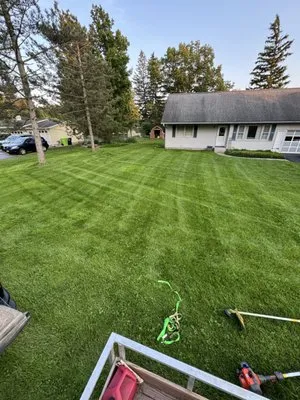
All In The Family Lawn Care
All In The Family Lawn Care is a locally owned and operated business serving Chittenango, NY, with over three years of experience in lawn care, junk removal, and pressure washing. Founded by a dedicat...
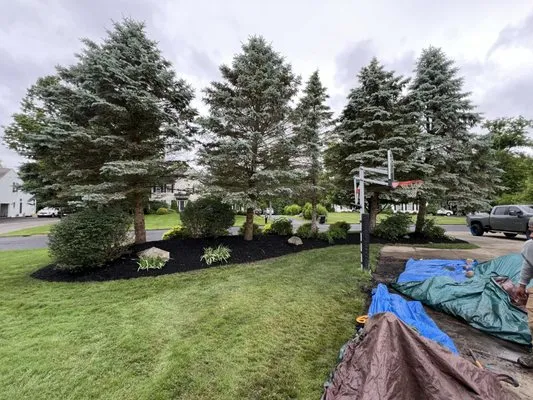
Optimal Property Services is a dedicated property services business in Chittenango, NY, specializing in comprehensive outdoor and indoor solutions. We provide landscaping services including lawn care,...
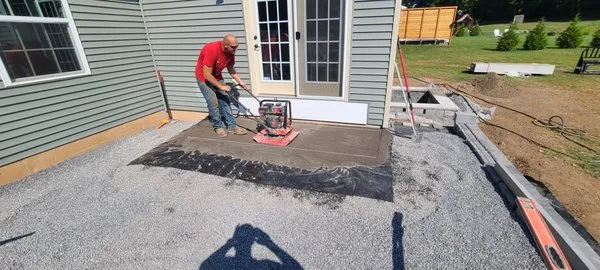
Chittenango Landscape has been serving the Chittenango, NY community for over 30 years, providing reliable landscaping and lawn care services for residential properties. We specialize in transforming ...

Cutting Edge Lawn & Landscaping is a trusted local landscaping company serving Chittenango, NY, and surrounding areas. We specialize in addressing common Central New York landscaping challenges like s...
Lynch's Landscaping is a trusted local landscaping company serving Chittenango, NY, and the surrounding communities. With a deep understanding of the area's specific challenges, they specialize in add...
Aspinall's Tree Nursery & Landscaping
Aspinall's Tree Nursery & Landscaping has been a trusted part of the Chittenango and Central New York community for over four decades. Our landscape design and build services were established in 1980,...
Total Lawn Care is a trusted landscaping partner for Chittenango homeowners. We understand the unique challenges of local yards, from overgrown shrubs that can obscure windows and property lines to th...
Grass God Outdoor Solutions is a trusted lawn care provider serving Chittenango, NY, and the surrounding areas. We specialize in comprehensive lawn maintenance, including mowing, fertilization, and we...
Distinctive Landscaping is a trusted local landscaping company serving Chittenango, NY, and the surrounding areas. We specialize in addressing common Central New York landscaping challenges, including...
Aspin Tree & Lawn Care is a trusted local landscaping company serving Chittenango, NY, and surrounding areas. We specialize in comprehensive tree care and lawn maintenance services designed to address...
Q&A
My yard turns into a pond every spring. What's a permanent solution for this poor drainage?
Seasonal saturation is a hallmark of our poorly drained glacial till. The solution requires improving subsurface permeability. Installing a French drain system tied to a dry well is often necessary. For any new patios or walkways, specify permeable concrete pavers or local Bluestone set on a gravel base. These methods increase infiltration and can help your project meet the Town of Sullivan Planning & Zoning Department's stormwater runoff management standards.
Is it possible to have a green lawn in Chittenango without violating water conservation guidelines?
Yes. While there are no formal water restrictions, standard conservation is mandated. Wi-Fi enabled, ET-based soil moisture sensors are the solution. These devices irrigate your Kentucky Bluegrass and Fine Fescue blend only when evapotranspiration data and root-zone moisture readings indicate a true deficit. This system applies water precisely, often reducing usage by 30-50% compared to timed schedules, while maintaining turf health within municipal expectations.
Do I need a permit to regrade my backyard, and what type of contractor should I hire?
Yes. Regrading a 0.35-acre lot typically requires a permit from the Town of Sullivan Planning & Zoning Department to ensure proper stormwater management and adherence to grade plans. You must hire a landscape contractor licensed by the New York State Department of State, Division of Licensing Services. This licensing ensures they carry required insurance and have the expertise to execute significant earthwork that alters drainage patterns without causing off-site issues.
I'm tired of weekly mowing. What are some lower-maintenance, eco-friendly alternatives?
Transitioning sections of high-input turf to a native plant community is the most effective long-term strategy. Species like Monarda fistulosa, Asclepias syriaca, and Solidago canadensis are adapted to Zone 5b and require no mowing, minimal water, and no phosphorus fertilizer. This biodiversity-rich landscape also provides critical habitat. As municipalities phase out gas-powered blowers due to noise and emissions, these plantings eliminate leaf cleanup chores entirely.
How quickly can a crew respond for an emergency tree limb cleanup after a storm to meet HOA compliance?
For urgent HOA compliance or safety issues, our dispatch from the All Things Oz Museum area can route via I-90 to reach most Chittenango Village Center addresses within the 20-30 minute peak storm response window. Our electric maintenance fleet operates within the 7:00 AM to 9:00 PM noise ordinance, allowing for immediate, quiet mobilization to secure the site and begin debris processing.
What are the most aggressive invasive plants I should watch for in my Chittenango garden?
Japanese knotweed and garlic mustard are high-priority invasive species in our area. They outcompete natives and degrade soil health. Manual removal is best for small infestations. For chemical control, use glyphosate applied precisely to foliage in late summer or fall, strictly following label instructions. This timing avoids the spring blackout dates associated with the New York State Phosphorus Fertilizer Law and minimizes impact on non-target plants.
Is bluestone or a composite wood better for a new patio that will last?
Local Bluestone is superior for longevity and ecological function. It is a natural stone with a lifespan measured in decades, requiring no sealing or chemical treatments. Unlike composite wood, it does not off-gas or degrade with UV exposure. For defensible space considerations, which are part of standard fire code compliance in our low WUI risk area, bluestone provides a non-combustible, stable surface that meets Firewise principles without maintenance.
Why does my lawn in Chittenango Village Center feel spongy and drain poorly compared to newer developments?
Your property, typical of homes built around 1973, has over 50 years of soil maturation. The neutral to slightly acidic silt loam common here has experienced significant compaction from decades of standard maintenance and seasonal saturation from the underlying glacial till. This has collapsed soil pores, reducing percolation. Core aeration and incorporating composted organic matter are critical to rebuild soil structure and improve permeability for healthy root zones.
