Top Landscaping Services in Chautauqua, NY, 14722 | Compare & Call
There are 37 landscaping companies server in Chautauqua NY
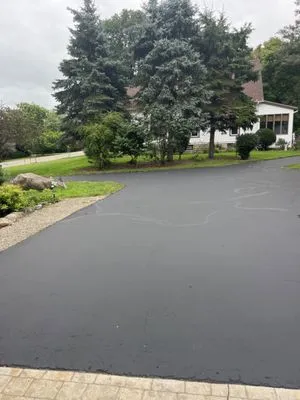
Gullo GreenScape and Seal Coating
Gullo GreenScape and Seal Coating has been a trusted part of the Fredonia community since 1992, providing comprehensive property care across all seasons. As a locally owned and operated business, we c...
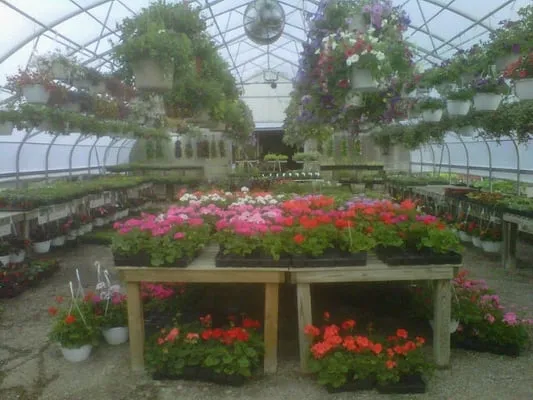
Westfield Nursery has been a cornerstone of the Westfield, NY community since its founding in 1934 by Roy and Frances Bentley. Originally known as Westfield Perennial Garden, the business moved to its...
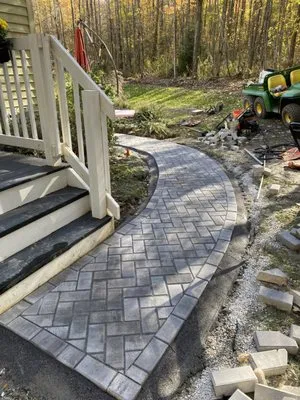
Touchstone Hardscapes is your trusted local landscaping partner in Sherman, NY. We specialize in comprehensive landscape solutions designed for the unique needs of Western New York properties. Many ho...
Joey's Handyman & Landscaping Services is your trusted local expert for property improvement and maintenance in Mayville, NY. We specialize in a comprehensive range of services, from landscape design ...
Midway Garden Center is your Bemus Point, NY partner for a healthy, beautiful property. We understand the common local challenges of overgrown shrubs and patchy, struggling lawns. Our team provides ex...
Nyberg Landscaping is a trusted, locally-owned landscaping company serving homeowners in Mayville, NY. We specialize in diagnosing and treating common local landscaping challenges, including lawn fung...
Harper Landscaping is a trusted local landscaping company serving Mayville, NY, and the surrounding Chautauqua County area. We specialize in identifying and solving the common yard drainage problems a...
Estimated Landscaping Service Costs in Chautauqua, NY
Frequently Asked Questions
What permits and contractor qualifications are needed for regrading our yard?
Regrading a 0.25-acre lot that alters water flow typically requires a permit from the Chautauqua County Department of Planning and Development. The contractor must hold appropriate licensing through the New York State Department of State Division of Licensing Services. This ensures they carry mandated insurance and adhere to codes governing erosion control and drainage, which are critical for protecting slope stability and neighboring properties in the Historic District.
What are the long-term alternatives to constant mowing and blowing?
Transitioning high-maintenance turf to climate-adaptive xeriscaping with native plants is a forward-looking strategy. Species like Butterfly Weed, Wild Bergamot, and Eastern Redbud are adapted to Zone 6a and acidic soils, requiring minimal supplemental water once established. This shift reduces fuel consumption and aligns with evolving noise ordinances that may further restrict gas-powered equipment hours, while significantly enhancing local biodiversity.
Is bluestone or fieldstone a better choice than wood for a new patio?
Mineral hardscapes like bluestone and local fieldstone offer superior longevity and lower lifecycle maintenance compared to wood, which decays and requires treatment. Their non-combustible nature also supports Firewise USA® principles for creating defensible space in Moderate risk interface zones. These materials integrate with the local aesthetic while providing permanent, permeable structure that manages water runoff effectively.
Our yard becomes a muddy mess with seasonal runoff. What's a lasting solution?
High runoff is a direct result of the slope and clay content in our local channery silt loam, which has low permeability. A graded infiltration trench filled with drain rock, tied to a dry well, can capture and slowly disperse this water. For new hardscapes, specifying permeable setts of local bluestone or fieldstone meets Chautauqua County runoff standards by allowing water to percolate through joints, reducing surface flow and erosion.
Why does our soil seem so tired and compacted compared to newer developments?
Homes in the Chautauqua Institution Historic District, built around 1938, have approximately 88 years of soil maturation. The acidic channery silt loam common here has experienced decades of settling and compaction from foot traffic and past maintenance, reducing its permeability. This soil profile often lacks sufficient organic matter, leading to poor aeration and water infiltration. Core aeration combined with incorporating composted organic matter is a foundational correction to rebuild soil structure and biology.
How quickly can you respond for an urgent HOA compliance cleanup after a major storm?
An emergency storm response from our central dispatch near the Chautauqua Institution Main Gate typically requires 35 to 50 minutes during peak conditions. The primary route utilizes I-86 for the fastest transit to the Historic District, accounting for weather-related delays. Crews are staged to address immediate debris management and safety hazards to meet compliance deadlines, with all equipment prepped for rapid deployment.
How do we keep our Kentucky Bluegrass healthy during dry spells without wasting water?
Smart Wi-Fi soil moisture sensor controllers are the critical technology for this balance. These systems irrigate based on actual evapotranspiration (ET) and root zone moisture data, not a fixed schedule. This method applies water only when and where the turfgrass needs it, often reducing usage by 20-40% compared to traditional timers. Even under voluntary conservation, this precision maintains turf health while adhering to best practices for municipal water stewardship.
What invasive species should we watch for, and how are they managed safely?
Japanese Knotweed and Garlic Mustard are prevalent invasive alerts in this region. Management involves precise mechanical removal or targeted, EPA-registered herbicide applications during specific growth stages. All treatments must comply with the New York State Phosphorus Runoff Prevention Act, which prohibits phosphorus-containing fertilizers and mandates careful application timing to protect watersheds, especially around Chautauqua Lake.
