Top Landscaping Services in Buffalo, NY, 14201 | Compare & Call

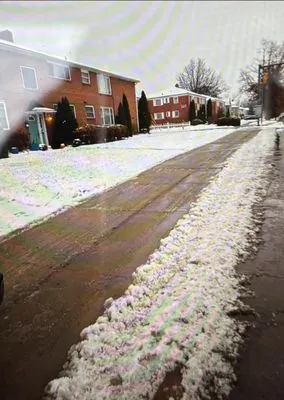
Slaughter's Landscape and Snow Plowing is a trusted, locally-owned and operated business serving Buffalo, NY, and the surrounding communities. We provide comprehensive, year-round solutions to protect...
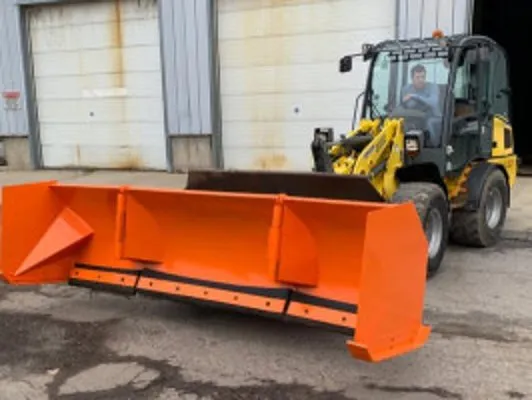
Buffalo Snowplowing & Lawn Care is a family-owned business serving Buffalo, NY and the surrounding region with reliable, year-round property maintenance solutions. With over two years of operation, we...
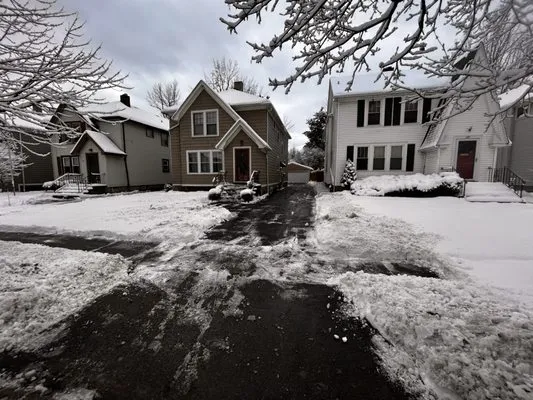
Rose Lawn Care & Snow Removal is a trusted local provider in Buffalo, NY, specializing in comprehensive lawn care and reliable snow removal services. With a focus on quality and attention to detail, w...
Olson Design & Restoration
At Olson Design & Restoration in Buffalo, NY, we bring a lifelong dedication to plants and a deep knowledge of our local environment to every project. Our team combines years of hands-on field experie...
Elbers Landscape Service is a family-owned Buffalo institution with deep roots in Western New York's horticultural history. Founded in 1919 by Henry H. Elbers, who previously served as superintendent ...
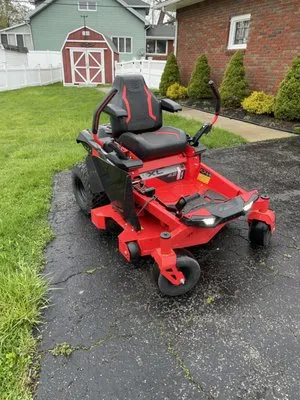
At R and S Landscaping in Buffalo, we’re your neighbors, a small family-owned business dedicated to transforming outdoor spaces with care and precision. We pride ourselves on genuine connections, trea...
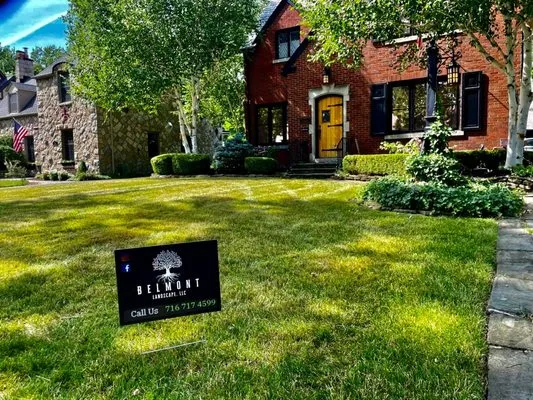
Belmont Landscape is a trusted local landscaping company serving Buffalo, NY, specializing in gardeners, lawn services, and tree services. We focus on practical, reliable solutions for Western New Yor...
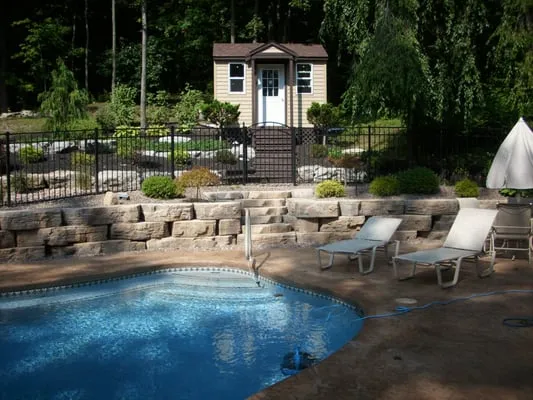
Founded in 1994, Pinelli Landscaping has been a trusted partner for homeowners in Buffalo and West Seneca for nearly three decades. Our mission is simple: to treat your property with the same care and...
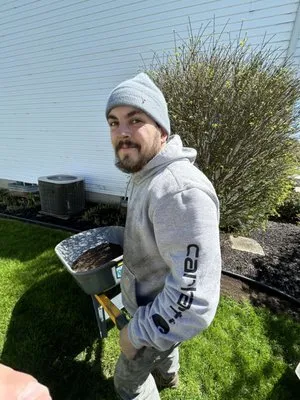
As the owner of TNA Landscaping in Buffalo, I bring over six years of hands-on experience to every project. After establishing my business full-time in 2024, I specialize in turning complex visions in...
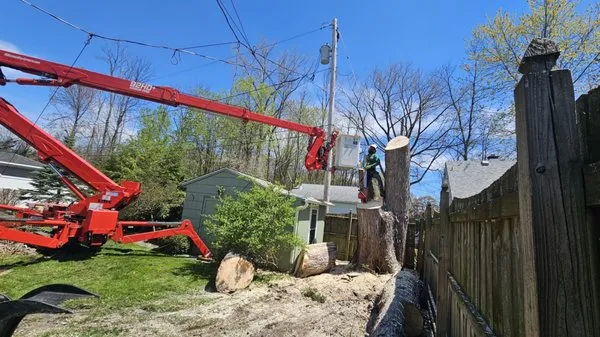
KD Tree Service Buffalo NY is a locally owned and operated tree service and landscaping company serving the Buffalo, NY area. With a team of trained professionals and our own specialized equipment, we...
Frequently Asked Questions
What permits and licenses are required for regrading my 0.12-acre Elmwood Village property?
Grading work exceeding 100 cubic yards requires Buffalo Department of Permit and Inspection Services approval for erosion control. Contractors must hold New York State Department of State landscaping licenses with proper insurance coverage. Soil disturbance near property lines may trigger additional reviews for drainage impact. Professional licensing ensures compliance with New York's stormwater management regulations for urban lots.
How do I prevent seasonal flooding in my yard with Buffalo's high clay content soil?
Silty clay loam soils experience reduced permeability and frost heave, creating drainage challenges. Installing French drains with clean gravel and perforated pipe redirects subsurface water away from foundations. Permeable bluestone or clay brick pavers meet Buffalo Department of Permit and Inspection Services runoff standards by allowing infiltration. Grading adjustments of 2% slope ensure proper surface water movement.
How do I control invasive species without violating New York's phosphorus restrictions?
Japanese knotweed and garlic mustard pose significant threats in USDA Zone 6a, requiring targeted mechanical removal before seed set. The New York State Phosphorus Runoff Control Act prohibits phosphorus application on established lawns, focusing instead on soil testing and organic amendments. Selective herbicide applications follow integrated pest management protocols. Proper disposal prevents reinfestation while maintaining watershed protection.
How quickly can you respond to emergency storm damage cleanup for HOA compliance?
Emergency storm response requires 20-30 minutes dispatch from Delaware Park via I-190 to Elmwood Village. Our electric maintenance fleet operates within Buffalo's 9:00 PM to 7:00 AM noise ordinance restrictions. We prioritize safety assessments before debris removal, coordinating with municipal services when necessary. This rapid response prevents secondary damage and maintains property standards.
Why does my Elmwood Village lawn have such compacted soil that won't absorb water properly?
Buffalo's typical 1938-built homes have soil that has matured for 88 years, developing dense silty clay loam structure. This soil type naturally compacts over decades, reducing permeability and creating surface runoff. Core aeration with organic amendments like composted leaf mold addresses compaction by improving pore space. Regular soil testing confirms pH remains in the 6.8-7.2 range optimal for microbial activity.
What are my options for reducing lawn maintenance while supporting local ecology?
Replacing high-maintenance turf with native plantings like Common Milkweed, Wild Bergamot, and New England Aster creates resilient landscapes. These species require minimal irrigation and support pollinators while meeting 2026 biodiversity standards. Electric maintenance equipment operates quietly within noise ordinance hours. Native plant communities develop self-sustaining ecosystems that outperform traditional lawns in urban settings.
What's the most efficient way to water my Kentucky Bluegrass lawn without wasting municipal water?
Smart soil-moisture sensor controllers optimize irrigation by measuring actual soil conditions rather than following fixed schedules. These systems calculate evapotranspiration rates specific to Buffalo's climate, applying water only when needed. This preserves turf health while staying well within municipal water capacity limits. Properly calibrated controllers can reduce water use by 30-40% compared to traditional timers.
Should I choose bluestone or wood for my patio considering Buffalo's climate and maintenance needs?
Bluestone and clay brick pavers offer superior longevity in Buffalo's freeze-thaw cycles compared to wood's 10-15 year lifespan. These materials maintain structural integrity through seasonal frost heave while requiring minimal maintenance. Their non-combustible nature supports Buffalo's low Fire Wise rating in urban settings. Proper installation with polymeric sand joints prevents weed growth and maintains permeability.
