Top Landscaping Services in Brutus, NY, 13080 | Compare & Call
There are 195 landscaping companies server in Brutus NY
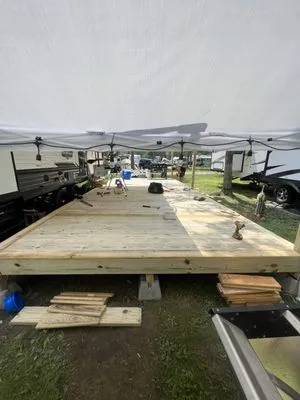
At Young's Enterprises in Weedsport, NY, we're a family-run business that takes immense pride in every project we undertake. It all started with simple lawn mowing, but over time, we've grown to handl...
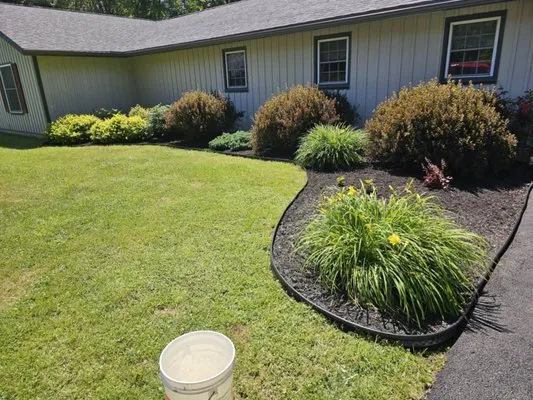
K & J Ace of Trades is your trusted, local solution for maintaining a healthy and beautiful outdoor space in Weedsport, NY. We understand the unique challenges homeowners face in our area, from persis...
Behmco's Excavation and Landscape is a trusted, locally-owned contractor serving Port Byron and the surrounding Finger Lakes region. We specialize in professional excavation and trenching services, pr...

Anthony Demarco & Sons
Anthony DeMarco & Sons has been a trusted resource for Central New York's outdoor needs for years. Based in Elbridge, they operate as both a full-service garden center and a comprehensive landscaping ...
Ground Effects is a dedicated landscaping service in Memphis, NY, focusing on efficient and sustainable solutions for local properties. Specializing in a unique blower application method, they expertl...
Estimated Landscaping Service Costs in Brutus, NY
FAQs
How do I maintain Kentucky Bluegrass and Fine Fescue during dry periods without violating water restrictions?
Wi-Fi ET-based weather sensing irrigation systems calculate evapotranspiration rates to deliver precise water volumes matching plant needs. These systems automatically adjust for rainfall, humidity, and temperature fluctuations common in USDA Zone 5b. Voluntary conservation measures include programming deeper, less frequent watering cycles that encourage root development beyond the seasonal high water table. Properly calibrated systems reduce municipal water usage by 30-50% while maintaining turf health.
How quickly can you respond to storm damage for HOA compliance in Brutus?
Emergency cleanup crews dispatch from Cayuga County Park via NY-31 within 20-30 minutes during peak conditions. This routing avoids residential congestion while maintaining compliance with Brutus's 8:00 AM-7:00 PM noise ordinance for gas-powered equipment. Crews prioritize safety hazards like downed limbs before addressing aesthetic concerns. All response vehicles carry electric maintenance tools for after-hours work when necessary.
Why choose permeable concrete pavers over wood for Brutus patios?
Permeable concrete pavers offer 25+ year lifespans versus wood's 10-15 years in Brutus's freeze-thaw cycles. Their interlocking design accommodates ground movement without cracking while maintaining stormwater compliance. Though Brutus has low fire risk ratings, non-combustible materials provide additional defensible space benefits. Proper installation includes geotextile fabric and angular stone bases that prevent weed penetration and maintain permeability over decades.
What low-maintenance alternatives exist for high-input turf areas?
Transitioning to Purple Coneflower, Butterfly Milkweed, Little Bluestem, New England Aster, and Joe-Pye Weed creates resilient landscapes requiring minimal inputs. These native species establish deep root systems that access subsoil moisture and improve soil structure. Electric maintenance equipment operates quietly outside gas-powered equipment hours, supporting Brutus's noise ordinance compliance. Mature native plantings need only seasonal attention rather than weekly mowing from May through October.
How should I manage invasive species while following fertilizer regulations?
Japanese knotweed and garlic mustard present significant threats in Brutus's USDA Zone 5b environment. Mechanical removal during specific growth stages proves most effective without chemical interventions. The New York State Phosphorus Runoff Prevention Act prohibits phosphorus applications unless soil tests demonstrate deficiency. Targeted organic amendments applied outside blackout dates support native plant competitiveness against invaders. Regular monitoring prevents establishment before treatment becomes necessary.
Why does my Brutus Village Center lawn struggle with compaction and poor drainage?
Brutus Village Center properties built around 1968 have 58-year-old Dunkirk Silt Loam soil that has lost structural integrity through decades of conventional maintenance. This soil type naturally develops hardpan layers that restrict water movement and root penetration. Core aeration with organic amendments like composted leaf mold improves soil permeability and supports mycorrhizae networks. Regular soil testing confirms pH remains in the 6.2-6.8 range optimal for most turf and native species.
What permits and licenses are needed for grading my 0.35-acre Brutus property?
The Town of Brutus Code Enforcement Office requires grading permits for any earth movement exceeding 50 cubic yards on 0.35-acre lots. Contractors must hold New York State Department of State landscaping licenses demonstrating competency in erosion control and drainage principles. Specific licensing ensures professionals understand Dunkirk Silt Loam's compaction risks and seasonal high water table considerations. Unpermitted grading can trigger violation notices and mandatory restoration at owner expense.
What solutions address seasonal water pooling in Dunkirk Silt Loam yards?
Dunkirk Silt Loam's poor percolation requires integrated drainage strategies beginning with French drains or dry wells in problem areas. Permeable concrete pavers installed with proper base materials allow 80-90% of stormwater to infiltrate rather than runoff. The Town of Brutus Code Enforcement Office requires drainage plans showing how new hardscapes manage the first inch of rainfall on-site. Combining subsurface drainage with amended soil profiles creates sustainable water movement systems.
