Top Landscaping Services in Brunswick, NY, 12052 | Compare & Call
There are 178 landscaping companies server in Brunswick NY
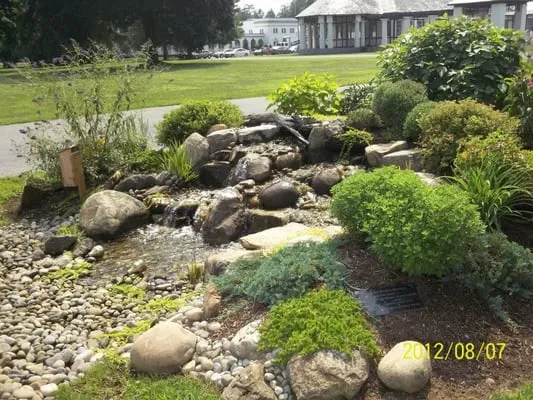
Chip's Landscaping is a Porter Corners-based landscaping and design company serving homeowners with comprehensive outdoor solutions. We specialize in addressing common local challenges like standing w...
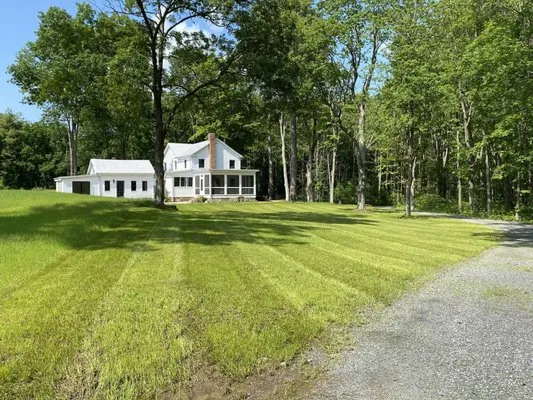
Rifenburgh Landscaping is a full-service landscaping and property management company proudly serving Germantown, NY, and the surrounding Hudson Valley. We specialize in transforming outdoor spaces wit...
NAC Lawn Services has been a trusted provider of professional landscaping and property maintenance in Troy, NY since 2013. We specialize in comprehensive landscape maintenance, reliable snow removal, ...
Jeff's Lawncare & Snowplowing is your trusted local landscaping expert in Greenwich, NY. For years, Jeff has been helping homeowners tackle the common issues of weed infestation and dead lawn areas th...
Shaker Flats Landscaping is your local, trusted partner for solving New Lebanon's common yard challenges. We understand the frustration of standing water and compacted soil that can plague properties ...

Cleared Hot Professional Services is a veteran-owned and operated landscaping company in Middle Grove, NY, founded by a USMC veteran with 20 years of teaching experience. The military background insti...
Coon’s Tree Service & Property Management
For homeowners in White Creek, NY, Coon's Tree Service & Property Management is a trusted local partner for outdoor care. We specialize in solving the common challenges you face, from shifting rock ga...
A&E Landscaping is your trusted, local partner for maintaining and restoring the beauty of your Eagle Bridge property. We understand the specific challenges homeowners face in our area, from patchy, d...
Estimated Landscaping Service Costs in Brunswick, NY
Frequently Asked Questions
Our yard holds water in spring, and we're adding a patio. What's the best way to handle the runoff?
A high seasonal water table and frost heave demand proactive drainage solutions. When installing a new patio, specify permeable base materials beneath your bluestone or manufactured concrete pavers to create an infiltration bed. This system manages runoff on-site, meeting Brunswick Building Department standards for stormwater management. For existing soggy areas, a French drain tied to a dry well is often necessary to intercept subsurface water flow.
We're regrading part of our .75-acre lot. What permits and contractor credentials should we verify?
Any significant grading on a 0.75-acre lot that alters drainage patterns requires a permit from the Brunswick Building Department. It is imperative to hire a contractor licensed by the New York State Department of State Division of Licensing Services. This licensing ensures they carry the required insurance and understand state environmental laws regarding sediment control and runoff, protecting you from liability and ensuring the work meets all local code and erosion control standards.
Is a bluestone patio better than a wood deck for our property, considering long-term value and upkeep?
For longevity and reduced maintenance, bluestone or manufactured concrete pavers are superior to wood. They offer a permanent, non-combustible surface that aligns with a 'Moderate' Fire Wise rating by creating defensible space in Brunswick's Wildland-Urban Interface. Unlike wood, which requires regular sealing and is susceptible to rot, quality stonework provides decades of service with minimal upkeep, resisting our freeze-thaw cycles and acidic soil conditions.
Our Speigletown yard seems dense and struggles with drainage. Is this typical for Brunswick homes?
Yes, this is a predictable soil condition for homes built around 1968, giving us nearly 60 years of soil maturity. The original acidic silt loam (pH 5.8-6.2) common in this area has become compacted from decades of foot traffic and routine maintenance. This compaction reduces percolation and exacerbates our seasonal high water table issues. Core aeration combined with incorporating organic compost is essential to rebuild soil structure and improve permeability for healthier root zones.
We want to reduce mowing and gas equipment noise. What are some lower-maintenance landscape options?
Transitioning to a climate-adaptive landscape centered on New York natives like Eastern Redbud, Swamp Milkweed, Joe-Pye Weed, and Little Bluestem significantly reduces maintenance. This xeriscape approach eliminates weekly mowing, minimizes watering needs, and provides superior habitat. It also future-proofs your property against evolving noise ordinances that restrict gas-powered blowers and mowers, aligning with the 2026 shift toward quieter, electric maintenance.
How can we keep our Kentucky Bluegrass and Fine Fescue lawn healthy during dry spells without wasting water?
Effective irrigation in Zone 5b relies on precision, not volume. Installing a smart Wi-Fi soil moisture sensor controller is the definitive solution. These systems apply water based on real-time evapotranspiration (ET) data and soil conditions, not a fixed timer. This technology maintains turf health within voluntary conservation guidelines by preventing overwatering, which is particularly crucial given our acidic silt loam's variable water retention.
We have storm damage and need an emergency cleanup to meet HOA standards. How quickly can a crew arrive?
For an emergency HOA compliance cleanup, our electric fleet can dispatch from the Brunswick Town Hall area. Traveling via NY-7 allows us to reach most Speigletown addresses within the 20-30 minute peak storm response window. This schedule aligns with local noise ordinances, as our battery-powered equipment operates effectively within the 8AM-8PM restricted hours without the delays associated with fueling traditional gear.
We've spotted invasive Japanese Knotweed. How do we remove it safely and legally?
Japanese Knotweed requires a persistent, multi-year management plan. Mechanical removal and careful, targeted herbicide application are necessary, but timing is critical to comply with the NYS Nutrient Runoff Law, which prohibits phosphorus application on turf. All treatments must avoid blackout dates to protect watersheds. For a confirmed infestation on 0.75 acres, consult a licensed professional to ensure the method prevents regrowth and doesn't harm your native plantings.
