Top Landscaping Services in Brooklyn, NY, 11201 | Compare & Call

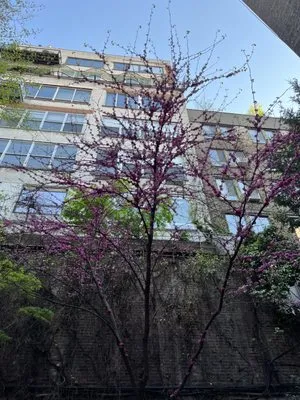
Clement O, the horticulturist behind Bed-Stuy Garden Guy, brings a deep understanding of Brooklyn's unique growing conditions directly to your doorstep. Based in Bed-Stuy, Clement offers a comprehensi...
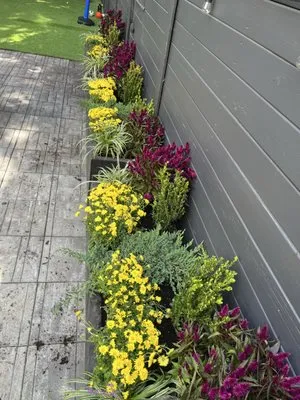
For over two decades, G&C Landscaping has been a trusted, family-owned name serving the Brooklyn and Queens communities. With knowledge passed down through generations, we bring a depth of experience ...
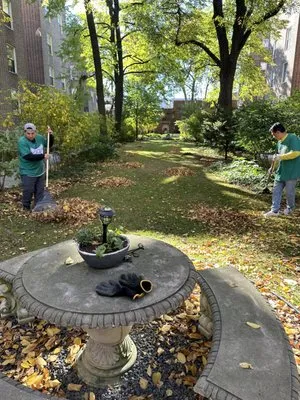
Ivy League is a Brooklyn-based landscaping company dedicated to transforming outdoor spaces across the borough. We specialize in creating and maintaining gardens, patios, and irrigation systems tailor...
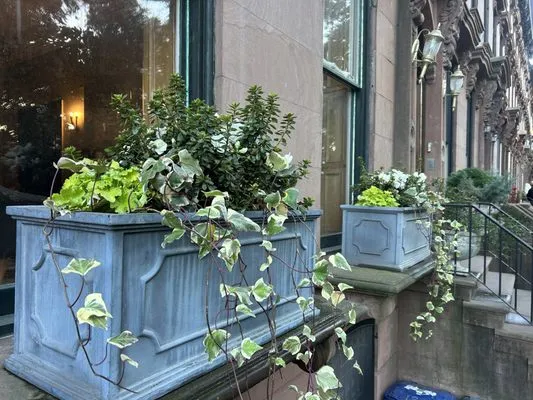
The Brownstone Gardener brings over thirty years of professional gardening and landscape experience to Brooklyn. Founded by a gardener who honed his craft in Los Angeles, serving high-profile clients ...
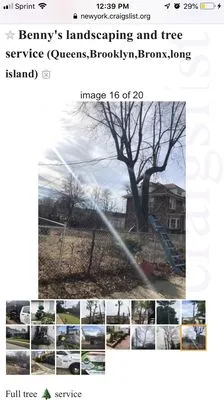
Benny’s Landscaping & Tree Service
Benny’s Landscaping & Tree Service is a trusted, full-service provider helping Brooklyn homeowners and businesses create and maintain healthy, beautiful outdoor spaces. As a local, family-operated com...
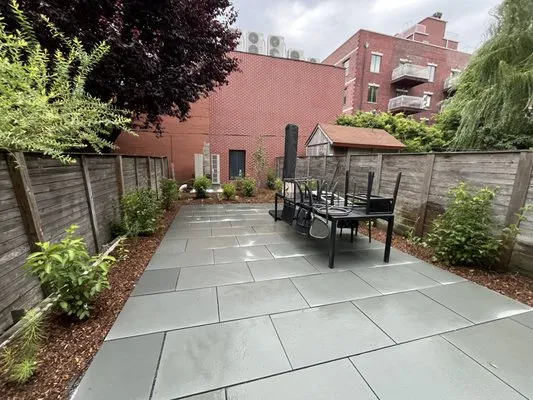
Brooklyn Landscape Design
Brooklyn Landscape Design brings over two decades of local expertise to every outdoor project in the borough. Founded in 2015 by Chris Palumbo, the company operates on a foundation of honesty, creativ...
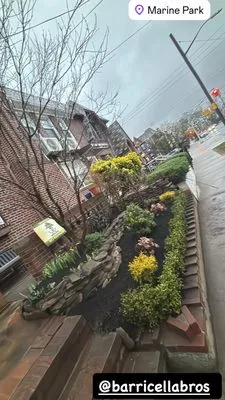
Barricella Bro's Landscaping & Tree Removal is a Brooklyn-based, family-led business with deep roots in the community. Founded by third-generation specialist Michael Angelo Barricella, the company com...
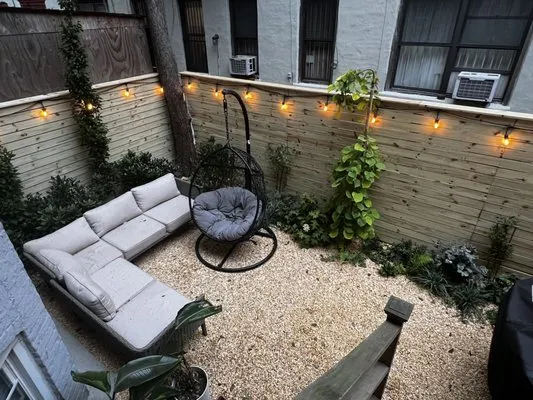
Native NY Gardens is a Brooklyn-based landscaping company founded on friendship and a deep commitment to local ecology. Co-founded by three high school friends who honed their skills at other firms, t...
De Santo Landscaping & Irrigation
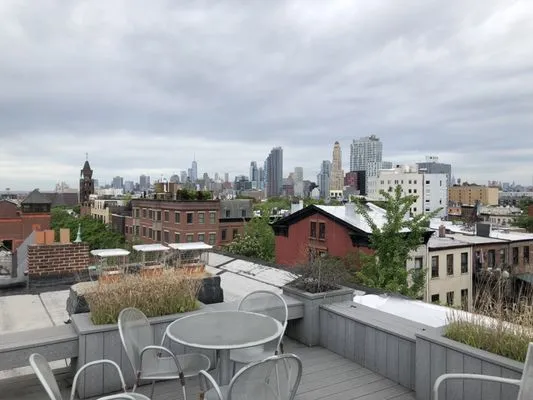
De Santo Landscaping & Irrigation is a full-service landscaping contractor serving homeowners throughout Brooklyn, NY. We specialize in creating and maintaining beautiful, functional outdoor spaces th...
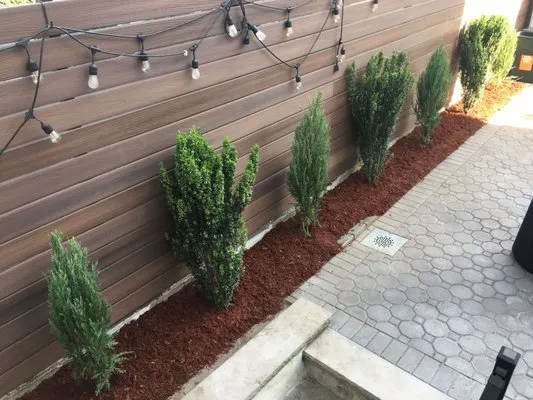
De Santo Landscaping and Gardening is a Brooklyn-based provider of expert landscape and shrub care services. We specialize in creating and maintaining healthy outdoor spaces, with a deep understanding...
Common Questions
How do we maintain our Kentucky Bluegrass and Fine Fescue blend during dry periods without violating water restrictions?
Smart Wi-Fi ET-based controllers adjust irrigation schedules using real-time evapotranspiration data from NYC DEP monitoring stations. These systems reduce water use 20-30% while maintaining turf health by applying water only when soil moisture sensors indicate need. The technology stays within voluntary conservation guidelines by preventing runoff and aligning watering with early morning hours when evaporation is minimal. This approach preserves turf quality without exceeding municipal water limits.
Our Brooklyn Heights property has compacted soil that won't drain properly. What's causing this in our 1939-built home?
Brooklyn Heights lots developed around 1939 have Urban Anthropogenic Loam soils that have matured for 87 years. This soil type develops from decades of construction fill and compaction, creating poor permeability despite its neutral pH 6.8-7.2 range. The soil structure lacks organic matter and beneficial mycorrhizae networks. Core aeration with compost amendments addresses this historical compaction while improving water infiltration for healthier root systems.
Our backyard floods during heavy rains, contributing to combined sewer overflow. What solutions work with Brooklyn's soil conditions?
Urban Anthropogenic Loam in Brooklyn Heights has low permeability, exacerbating runoff into combined sewer systems. Installing permeable concrete pavers with 6-8 inches of gravel base creates infiltration basins that capture 90-95% of stormwater. Blue-grey Bluestone in dry-laid patterns provides additional permeability while meeting NYC Department of Buildings runoff standards. These systems reduce CSO contributions by allowing gradual percolation rather than immediate runoff.
We need emergency storm cleanup before an HOA inspection tomorrow. What's your fastest response time to Brooklyn Heights?
Our electric maintenance fleet can dispatch from Brooklyn Bridge Park within 15 minutes, traveling via I-278 (Brooklyn-Queens Expressway) to reach most Brooklyn Heights properties in 45-60 minutes during peak conditions. This routing avoids typical BQE congestion points while complying with NYC Noise Code decibel limits for electric equipment. We prioritize HOA compliance situations with same-day documentation of completed work.
We're considering bluestone versus wood decking for our backyard renovation. Which material offers better longevity in Brooklyn?
Blue-grey Bluestone provides superior longevity with 50+ year lifespan compared to wood's 15-25 years in Brooklyn's freeze-thaw cycles. The stone's natural density resists moisture penetration and requires no chemical treatments. In this low Fire Wise rating urban environment, bluestone creates defensible space without combustible materials. Permeable installation methods maintain soil health while providing stable surfaces that won't warp or rot like wood alternatives.
We want to regrade our 0.06-acre lot for better drainage. What permits and licensing should we verify with contractors?
Grading work on 0.06-acre Brooklyn Heights properties requires NYC Department of Buildings permits for earth movement exceeding 10 cubic yards. Contractors must hold New York State Department of State landscaping licenses with specific endorsements for grading and drainage. The small lot size necessitates precise engineering to avoid impacting adjacent properties' foundations. Licensed professionals carry insurance for subsurface condition discoveries and guarantee work meets NYC stormwater management codes.
We've spotted Japanese Knotweed and Tree of Heaven on our property. How do we treat these invasives without violating fertilizer laws?
Japanese Knotweed and Tree of Heaven require targeted herbicide applications during active growth periods, avoiding NYC Non-Agricultural Fertilizer Law blackout dates in spring and fall. Professional applicators use cut-stem treatments with glyphosate formulations specifically labeled for invasive species control. These applications occur when soil temperatures exceed 55°F but before flowering to prevent spread. Follow-up monitoring for 2-3 growing seasons ensures complete eradication without phosphorus-containing products.
We want to reduce lawn maintenance and noise from gas-powered equipment. What native alternatives work in our microclimate?
Replacing high-maintenance turf with Eastern Redbud, Switchgrass, New England Aster, Joe Pye Weed, and Serviceberry creates a self-sustaining landscape that requires minimal intervention. These natives thrive in USDA Zone 7b conditions with deep root systems that improve soil structure and drought tolerance. The planting scheme eliminates weekly mowing and reduces leaf-blower use ahead of NYC's strict noise ordinances. This approach also supports 2026 biodiversity standards by providing habitat for pollinators and birds.
