Top Landscaping Services in Broadalbin, NY, 12025 | Compare & Call

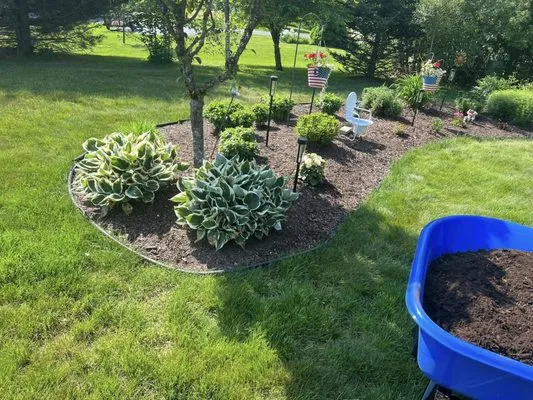
Sullivan Landscape Solutions is a trusted, locally-owned lawn care and snow removal company serving Broadalbin, NY, and the surrounding areas. We specialize in addressing common local landscaping chal...
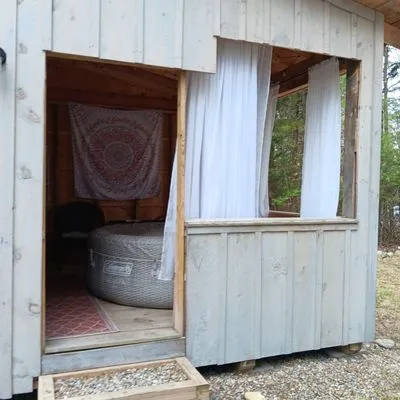
O’Keefe’s Home Renovations is a trusted general contractor and landscaping specialist serving Broadalbin, NY, and the surrounding areas. With expertise in bathroom and kitchen remodeling, deck and pat...

Steve Austin-Subcontracting and Mowing is a trusted landscaping business serving Broadalbin, NY, specializing in comprehensive lawn and shrub care. We offer irrigation repair, landscape maintenance, s...
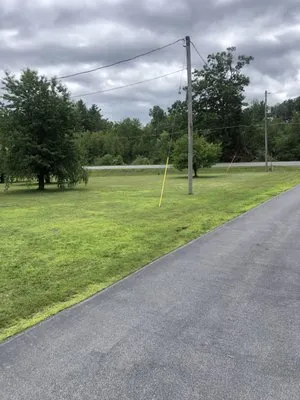
Randy's Mowing Services is a local, owner-operated business rooted in three decades of hands-on experience in Broadalbin, NY. Starting at 16 years old, Randy has dedicated his career to mastering lawn...
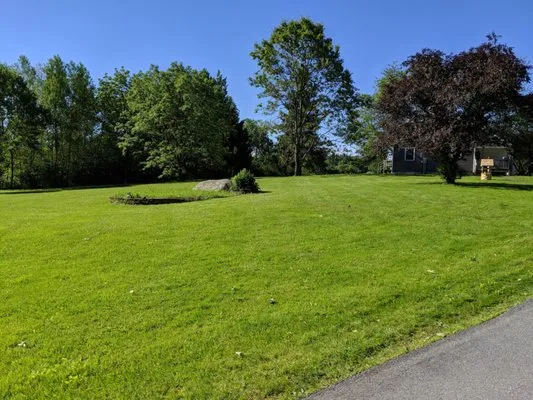
Gmac's Lawn Care is your trusted, local lawn care provider in Broadalbin, NY. We specialize in comprehensive lawn services designed for our specific Upstate New York climate and soil conditions. We un...

Branches Landscapes is a trusted, full-service outdoor company serving Broadalbin and the surrounding Adirondack Foothills. We understand the specific challenges local homeowners face, from repairing ...
Q&A
How can I keep my Kentucky Bluegrass lawn healthy without wasting water?
Smart Wi-Fi soil moisture sensor controllers are the standard for efficient irrigation in Broadalbin. These systems apply water based on actual evapotranspiration (ET) rates and root zone moisture, not a fixed schedule. This prevents overwatering, which exacerbates our seasonal high water table, and keeps the bluegrass-fescue mix healthy within voluntary conservation guidelines. Proper programming aligns watering with early morning hours to minimize evaporation loss.
My lawn seems thin and struggles to hold water. Could this be related to the age of my house?
Broadalbin Village Center lots developed around 1938 have soil maturity of nearly 90 years. Over this time, the naturally acidic sandy loam becomes compacted from routine use, reducing permeability and organic matter. Core aeration is critical to break up that compaction and improve water infiltration. Following aeration, top-dressing with compost will build the soil structure, addressing both the low pH and the poor water retention common in these older landscapes.
Do I need a permit to regrade my backyard and add a small retaining wall?
Yes. Regrading a 0.45-acre lot and installing a retaining wall almost always requires a permit from the Broadalbin Village Planning Board, as it alters surface water drainage patterns. Furthermore, the contractor performing this work must hold appropriate licensing through the New York State Department of State, Division of Licensing Services. This ensures the structural integrity of the wall and compliance with all state and local erosion control regulations.
My yard stays soggy long after rain. What's a long-term solution for poor drainage?
Seasonal high water tables and poor infiltration are common in Broadalbin's acidic sandy loam. A graded French drain system can intercept and redirect subsurface water. For new hardscape, specifying dry-laid bluestone pavers with a gravel base creates a permeable surface that reduces runoff, often a requirement of the Broadalbin Village Planning Board. These strategies work in concert to move water away from foundations and into the soil profile more effectively.
A storm brought down several large limbs. How quickly can a crew respond for an emergency cleanup?
For urgent storm response in Broadalbin, dispatch from a staging area near the Great Sacandaga Lake Waterfront allows for efficient routing. Crews travel via NY-30 directly into the village center, with a typical peak response window of 45 to 60 minutes. This timeline accounts for securing necessary equipment and navigating post-storm conditions to begin clearing hazards and restoring safe access to the property.
I've spotted what looks like Japanese Knotweed. How should I handle it?
Japanese Knotweed is a high-priority invasive in our area and requires immediate, careful management. Manual removal is often insufficient; professional treatment with glyphosate-based herbicides applied directly to the foliage is typically necessary. Any treatment plan must strictly adhere to the New York State Nutrient Runoff Law, which prohibits phosphorus application on established lawns and dictates specific blackout dates for other chemicals to protect the watershed near the Sacandaga Lake.
I want to reduce mowing and gas-powered noise. What are my options?
Transitioning high-maintenance turf areas to a xeriscape of native plants directly addresses both concerns. Species like Butterfly Milkweed and Little Bluestem are adapted to Zone 5a conditions, requiring no irrigation or weekly mowing once established. This shift preemptively aligns with evolving noise ordinances targeting gas-powered blowers and mowers, as electric maintenance becomes the standard for residential areas.
Is bluestone or pressure-treated wood better for a new patio?
For longevity and fire resilience, bluestone is superior. It is a non-combustible material that contributes to defensible space, a consideration given Broadalbin's Moderate Wildland-Urban Interface rating. Unlike wood, which requires chemical treatments and will decay over time, bluestone pavers offer permanent stability with minimal maintenance. Their natural thermal mass also helps mitigate heat island effects in the planted areas surrounding the hardscape.
