Top Landscaping Services in Bellerose Terrace, NY, 11001 | Compare & Call
There are 185 landscaping companies server in Bellerose Terrace NY

Mejia Landscaping is your trusted local partner for all your property's outdoor needs in Hempstead, NY. We understand the unique challenges homeowners face here, particularly with frequent storm debri...
Able-J Tree Services and Landscaping is your trusted local partner for maintaining beautiful, healthy outdoor spaces in New York. We specialize in professional landscape maintenance and expert tree ca...
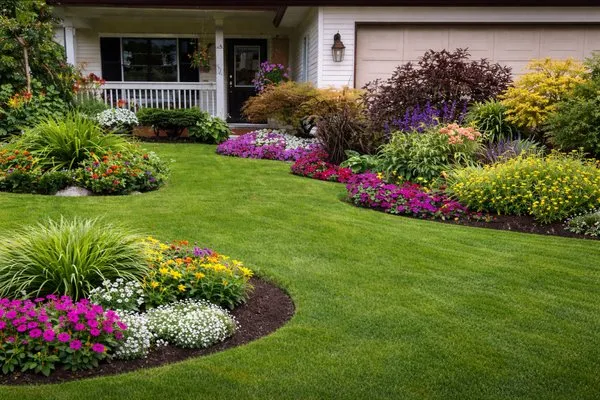
Precision Landscaping & Design Inc. is a locally owned and operated landscaping company serving Garden City and the surrounding Nassau County area. With over nine years of hands-on experience, our tea...
Millamar Landscaping Services is a professional landscaping company based in Elmont, NY, dedicated to transforming outdoor spaces with reliable, quality work. We specialize in creating custom designs ...
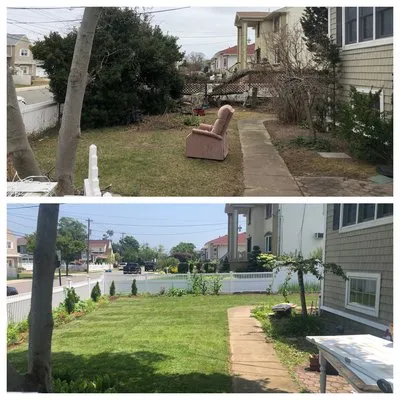
Harder Tree and Landscape Service
Harder Tree and Landscape Service has been a trusted family-owned business serving Hempstead, NY, and the greater New York Metro area since 1922. With over a century of experience, the company special...
Matt Florio Landscaping is a trusted local landscaping company serving Floral Park, NY. We specialize in addressing common residential landscaping challenges that homeowners in our community face, suc...
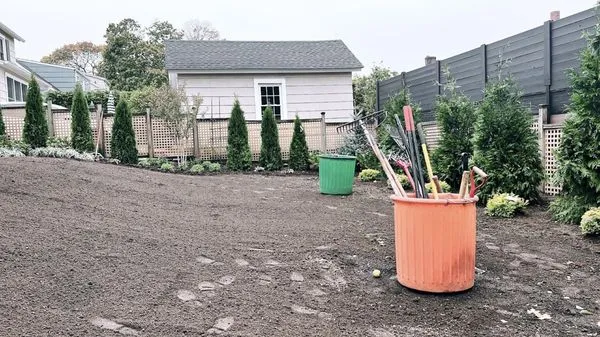
Aversa Property Services
Aversa Property Services is a West Hempstead-based landscaping and masonry company founded in 2014 by Nicholas Aversa. What began as Nick's weekend hobby of maintaining neighbors' lawns has grown into...
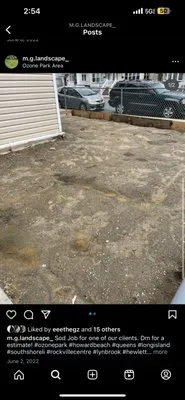
M.G Landscape is a Lawrence-based landscaping company with 10 years of experience transforming outdoor spaces across Nassau County. We specialize in comprehensive landscape design, construction, and m...
Hunt Lawn Care is a dedicated local business in New Hyde Park, NY, specializing in the art and technology of landscapes and gardens. We focus on managing and maintaining clients' gardens and lawns to ...
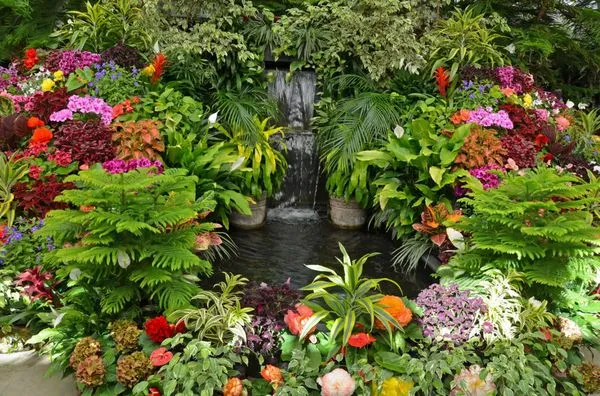
Estate Gardening LI is a full-service landscaping company serving Lynbrook, NY, specializing in transforming outdoor spaces through expert design, construction, and maintenance. We address common loca...
Estimated Landscaping Service Costs in Bellerose Terrace, NY
Common Questions
What permits and credentials are needed for regrading my small property?
Altering drainage or grade on a 0.12-acre lot typically requires a permit from the Nassau County Department of Public Works to ensure compliance with stormwater codes. The contractor must hold appropriate licensing through the New York State Department of State. This is crucial, as improper grading can create runoff liabilities for you and your neighbors, making professional, licensed execution a legal and practical necessity.
What invasive species should I watch for, and how do I control them safely?
Common invasive alerts for our area include Japanese Knotweed and Mugwort, which aggressively outcompete native flora. Treatment involves careful mechanical removal or targeted, EPA-registered herbicide applications strictly outside of the Nassau County fertilizer law's blackout dates to protect waterways. Always pair removal with planting robust natives like Purple Coneflower to occupy the space and prevent re-infestation.
How quickly can you respond for an emergency storm cleanup to meet HOA compliance?
For urgent HOA compliance or safety issues, our dispatch from the Bellerose Village Hall area via the Cross Island Parkway allows a peak response window of 20-30 minutes. We prioritize electric equipment for early or late-hour noise-sensitive work under local ordinances. This logistics model ensures rapid debris management and branch removal while adhering to Bellerose Terrace's strict operational codes.
My yard has persistent soggy spots after rain. What's the solution?
Localized depressions in Bellerose Terrace's sandy loam over a high water table lead to moderate runoff and pooling. Correcting this requires regrading to create positive flow away from foundations and installing French drains or dry wells to capture subsurface water. Using permeable concrete pavers or bluestone for patios and walkways also increases infiltration, helping your property meet Nassau County runoff management standards.
Why does my Bellerose Terrace soil feel so compacted and need so many amendments?
Lots in this neighborhood, developed around 1938, have 88 years of settling on a base of urban fill and sandy loam. This history creates a shallow, compacted layer that impedes root growth and soil percolation. Core aeration is critical to relieve compaction, followed by incorporating compost to build stable organic matter. This process mimics natural soil development, improving structure and water retention in your specific pH 6.5-7.2 profile.
Are concrete pavers or bluestone a better long-term choice than wood for my patio?
For longevity and minimal upkeep in our Zone 7b climate, inorganic materials like concrete pavers and bluestone are superior to wood. They resist frost heave, require no sealing against rot, and their permeability aids site drainage. In a low Firewise rating urban setting like ours, these materials also provide non-combustible defensible space, adding a layer of resilience without sacrificing aesthetic value.
How can I keep my lawn healthy under the current voluntary water conservation rules?
Under Stage 1 voluntary conservation, an EPA WaterSense smart controller is essential. It uses local evapotranspiration (ET) data to apply water only when your Kentucky Bluegrass and Tall Fescue blend truly needs it, preventing overwatering. This technology, combined with deep, infrequent watering cycles, maintains turf health while reducing potable water use by 20% or more, aligning perfectly with municipal stewardship goals.
What are the long-term alternatives to constant mowing and blowing?
Transitioning sections of high-input turf to a climate-adaptive xeriscape with native plants like Eastern Redbud, Switchgrass, and Butterfly Milkweed drastically reduces maintenance. These deep-rooted species require no fertilization, minimal water, and provide critical habitat. This shift also future-proofs your property against tightening noise ordinances that restrict gas-powered blowers, moving you toward a quieter, electric-maintenance ecosystem.
