Top Landscaping Services in Bedford, NY, 10506 | Compare & Call
There are 136 landscaping companies server in Bedford NY
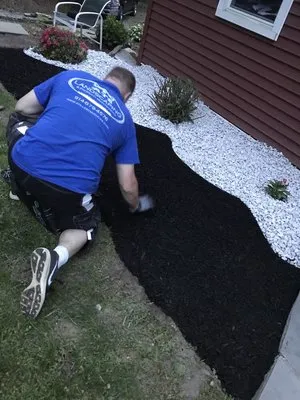
ATS Landscaping & Property Maintenance is a family-owned business in Carmel, NY, built on a simple idea: one call should handle it all. What began as a small operation with two people has grown into a...
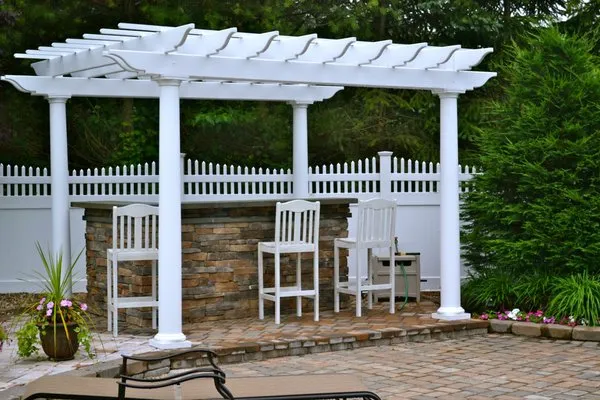
Carl Bongiorno & Sons
For over 40 years, Carl Bongiorno & Sons has been the trusted name for landscaping, masonry, and snow removal in East Setauket and across Long Island. As a family-owned and operated business, we under...
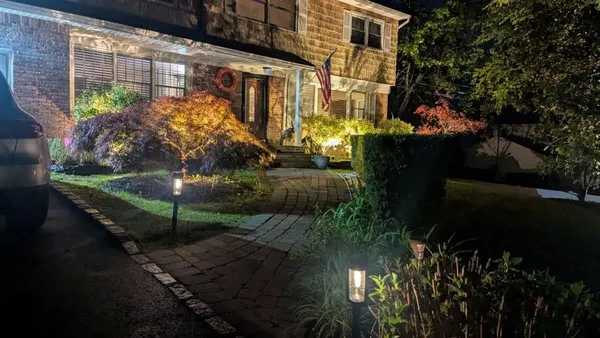
Oasis Lighting Design
Oasis Lighting Design in Huntington, NY, is a full-service landscape and electrical specialist serving Long Island homeowners. We combine landscape architecture, lighting design, and electrical expert...
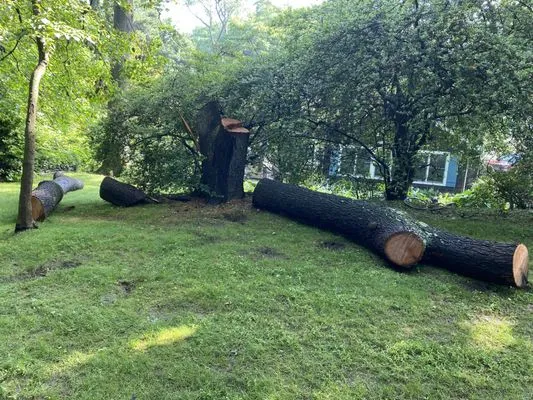
Colgan Tree and Landscape Service, Inc. is a licensed and insured provider serving Kings Park, NY, and the surrounding communities of Suffolk and Nassau County. With a team of certified arborists, we ...
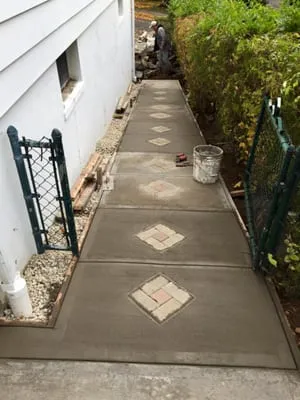
Gallardo Landscaping has built its reputation in Port Chester through decades of dedicated work and a commitment to client satisfaction. We are experienced landscape designers and gardeners who handle...

For over 35 years, Fanelli Landscapes has been a trusted, family-owned and operated partner for Hawthorne homeowners and businesses. We combine expert landscape design with skilled masonry and concret...
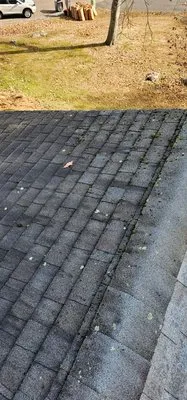
Eco Logical is a Port Chester-based service provider specializing in landscaping, pressure washing, junk removal, and hauling for both residential and commercial clients. We help homeowners and real e...
With over 25 years of experience in lawn care and landscaping, I'm Roberto R., the owner of R&M Mow and Go in White Plains, NY. I started mowing lawns as a teenager, worked for larger companies to mas...
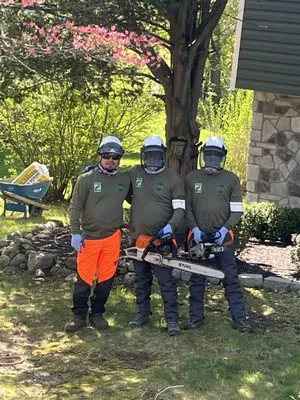
Green Leaves Tree Service is a trusted, full-service arborist and landscaping company serving Valley Cottage, NY. We specialize in comprehensive tree care, from expert pruning and disease management t...
Hudson Valley Land Management
Hudson Valley Land Management in Cortlandt Manor, NY, is a trusted local contractor with over fifty years of experience in masonry, concrete, excavation, and landscaping services. We specialize in exc...
Estimated Landscaping Service Costs in Bedford, NY
Frequently Asked Questions
Our 1960s Bedford Village property has thin, patchy grass. Is the soil the problem?
Soil maturity on Bedford Village lots built circa 1965 is approximately 61 years. Over this time, acidic fine sandy loam soil (pH 5.5-6.2) has become compacted, reducing permeability and limiting root depth. This soil type requires annual core aeration to improve gas exchange and percolation. Amending with organic compost, not just lime, will correct compaction while gently moderating acidity for a healthier root zone.
A storm damaged trees near our home. What's the fastest emergency response time?
An emergency arborist crew can mobilize from the Bedford Village Green, taking I-684 for optimal routing. Peak storm response to Bedford Village is 25-35 minutes. Crews coordinate with the Town of Bedford for road access and adhere to the 8:00 AM to 6:00 PM window for gas-powered equipment use, ensuring compliance with local noise ordinances during critical cleanup.
We're adding a patio. Is bluestone a good choice compared to composite or wood?
Bluestone and fieldstone offer superior longevity and permeability compared to wood, which decays, or solid composites that increase runoff. In Bedford's Moderate Fire Wise zone, these non-combustible materials contribute to defensible space when used within 30 feet of a structure. Their natural thermal mass also moderates temperature, reducing the urban heat island effect in paved areas.
We have persistent ponding in our yard each spring. What's the solution?
Localized ponding indicates a high seasonal water table interacting with Bedford's fine sandy loam, which has slow percolation when compacted. A subsurface French drain system tied to a dry well is the standard correction. For new hardscape, specify permeable base installations with local bluestone or fieldstone to meet Town of Bedford Building Department runoff standards, directing water away from foundations.
How can I keep my lawn green during summer without wasting water?
Smart Wi-Fi ET-based irrigation systems are essential for Bedford's voluntary conservation status. These controllers use local weather data to apply water only when evapotranspiration rates demand it, matching the needs of Kentucky Bluegrass and Fine Fescue blends. This method can reduce potable water use by 20-30% compared to traditional timers, keeping turf healthy within municipal guidelines by preventing overwatering.
What permits and licenses are needed for a major landscaping project on 2 acres?
Any significant grading, drainage, or retaining wall work on a 2-acre lot requires a permit from the Town of Bedford Building Department. The contractor must hold a Home Improvement license from the Westchester County Department of Consumer Protection. For projects involving pesticide application or nutrient management, additional New York State certifications are required to comply with the Phosphorus-free fertilizer ordinance.
Is there a lower-maintenance alternative to my large lawn?
Replacing high-input turf with a native plant community is a forward-looking strategy. Species like Eastern Redbud, Sweet Pepperbush, and Switchgrass are adapted to Zone 6b and acidic soils, requiring no fertilization and minimal watering once established. This transition reduces mowing frequency and aligns with evolving noise ordinances by minimizing reliance on gas-powered blowers and trimmers.
What invasive species should I watch for, and how do I control them safely?
Japanese barberry and mile-a-minute vine are prevalent invasive threats in Westchester. Manual removal is best for small infestations. For chemical control, use a glyphosate-based herbicide applied directly to foliage in late summer, strictly following label instructions. This timing avoids the spring blackout periods under New York State's Phosphorus-free fertilizer law and minimizes impact on non-target plants.
