Top Landscaping Services in Batavia, NY, 14020 | Compare & Call
There are 85 landscaping companies server in Batavia NY
JT Lawn Care is a trusted Batavia, NY lawn service provider specializing in comprehensive lawn care solutions for local homeowners. We understand the unique challenges Batavia residents face, such as ...
Fullmers Grind is a trusted landscaping company serving Attica, NY, and the surrounding areas. We specialize in comprehensive landscape maintenance, expert tree care services, and efficient tree stump...
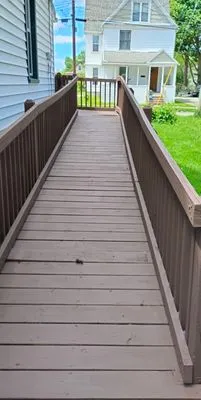
Founded in 2024 by a dedicated local owner, Vivid Handyman Services is your go-to solution for a wide range of home and yard tasks in Albion, NY. We believe in providing reliable, high-quality work at...
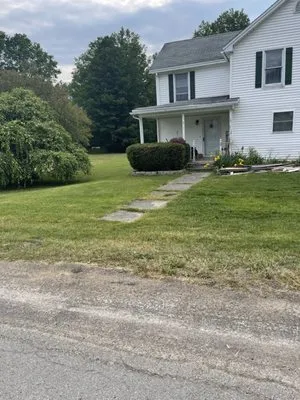
Grass Buster is a dedicated lawn care provider serving Atlanta, NY, and the surrounding communities. We understand the unique challenges local homeowners face, particularly with yard drainage issues a...
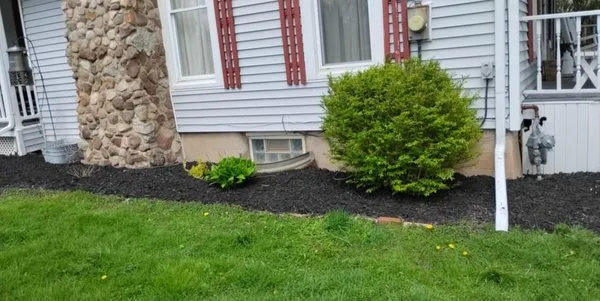
Johnson Services is a trusted local provider in Albion, NY, offering comprehensive solutions for junk removal, landscaping, and painting needs. We specialize in appliance and furniture disposal, inter...
Estimated Landscaping Service Costs in Batavia, NY
FAQs
How can I reduce maintenance while preparing for upcoming equipment regulations?
Transitioning high-maintenance turf areas to native plantings like Purple Coneflower, Butterfly Milkweed, Wild Bergamot, and Little Bluestem creates resilient landscapes. These species require minimal watering once established and eliminate weekly mowing, aligning with Batavia's gradual phase-out of gas-powered equipment. The deep root systems improve soil structure while providing year-round habitat for pollinators and beneficial insects.
Why does my Highland Park lawn struggle with compaction despite regular care?
Batavia's Highland Park neighborhood has homes averaging 82 years old (2026 minus 1944 build year), creating mature soil profiles. The neutral to slightly alkaline silt loam (pH 7.0-7.4) common here develops dense layers over decades, restricting root growth and water infiltration. Annual core aeration with compost amendments improves soil structure by increasing organic matter content to 3-5%, enhancing microbial activity and nutrient availability for established turf.
Are bluestone and concrete pavers better than wood for Batavia's climate and safety requirements?
Bluestone and concrete pavers offer superior longevity in Batavia's freeze-thaw cycles, with 30+ year lifespans versus wood's 10-15 years. These non-combustible materials contribute to defensible space in Batavia's low fire-wise rating urban setting, while their permeability manages runoff better than solid surfaces. Proper installation with polymeric sand joints prevents weed growth and maintains structural integrity through seasonal soil movement.
What solutions address seasonal water pooling in Batavia's clay-heavy yards?
Seasonal high water tables and poor infiltration in clay subsoils require integrated drainage strategies. Installing French drains with clean gravel and perforated pipe at 18-24 inch depths redirects subsurface water, while permeable bluestone or concrete paver installations meet Batavia Bureau of Inspection runoff standards. These systems work with the existing soil profile to manage stormwater without creating erosion or compliance issues.
How quickly can you respond to storm damage for HOA compliance in Batavia?
Emergency cleanup crews dispatch from Batavia City Centre within 30 minutes during peak conditions. The route follows I-90 (New York State Thruway) to Highland Park, allowing debris removal and safety restoration within noise ordinance hours (8:00 AM-8:00 PM). This timeframe addresses immediate hazards while coordinating with municipal storm response protocols for proper disposal of vegetative waste.
Can smart irrigation systems maintain Kentucky Bluegrass/Fine Fescue turf during dry periods without violating water guidelines?
Wi-Fi weather-based controllers using ET (evapotranspiration) data precisely match irrigation to plant needs, typically reducing water use 20-30% compared to traditional timers. These systems adjust runtime based on real-time weather, soil moisture sensors, and Batavia's neutral silt loam characteristics. This approach maintains turf health within standard conservation practices while preventing overwatering that exacerbates clay subsoil drainage issues.
What permits and licenses are required for grading work on my 0.22-acre Batavia property?
Grading that alters drainage patterns or involves more than 50 cubic yards of earth movement requires a permit from Batavia City Bureau of Inspection. Contractors must hold appropriate licensing through New York State Department of State Division of Licensing Services, particularly for work affecting stormwater management on lots this size. These regulations ensure proper erosion control and prevent downstream impacts from altered water flow across property boundaries.
What invasive species threaten Batavia landscapes, and how should they be managed?
Japanese knotweed and garlic mustard present significant invasion risks in Zone 6a, outcompeting natives and degrading soil health. Manual removal before seed set combined with targeted herbicide applications during active growth phases controls spread without violating New York's phosphorus runoff law. Always verify treatment timing against local blackout dates and consider soil testing to document actual nutrient deficiencies before any amendment application.
