Top Landscaping Services in Barre, NY, 14058 | Compare & Call
There are 104 landscaping companies server in Barre NY
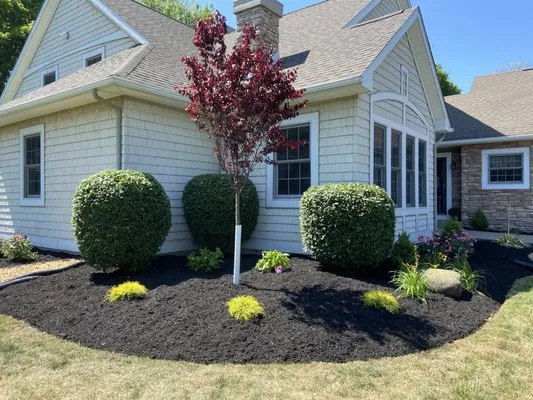
Houseman’s Landscaping is a Medina, NY family-owned business, providing trusted lawn and property care since 1990. We focus on building lasting relationships with our neighbors in Orleans County and s...
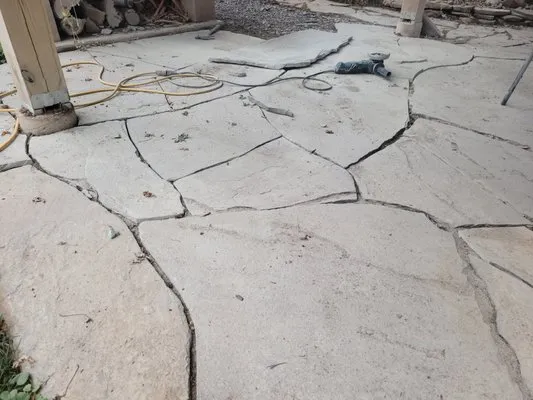
Steel Hammer Home Repair is a family-operated handyman and landscaping service based in Newfane, NY, proudly serving the Western New York community. Founded as a father-and-future-son-in-law partnersh...
Ground Control is a family-built landscaping and property care company serving Buffalo, NY, and the surrounding area. For over five years, we've been dedicated to turning a lifelong dream into a reali...

Luxury Landscaping & Excavation is a full-service contractor in Holley, NY, dedicated to transforming and maintaining outdoor spaces. We address common local issues like dead lawn patches and lawn fun...

Veterans Pride Tree and Lawn
Veterans Pride Tree and Lawn is a veteran-owned and operated outdoor service company proudly serving the Albion, NY community and Orleans County. We are recognized as a leading local provider for expe...
H&H Property Maintenance is your trusted, local property care expert in Holley, NY. We specialize in a full range of services designed to keep your property beautiful and functional year-round. From e...
Nichols Lawn Care is a trusted Batavia, NY lawn service provider specializing in comprehensive lawn care solutions. Many local homes face common landscaping challenges like dead lawn patches and uneve...
Scrubs and Shrubs is a locally owned and operated service provider in Batavia, NY, dedicated to making your life easier. We combine trusted home cleaning, reliable lawn care, and professional auto det...
FRANKE DAVID L LANDSCAPE ARCHITECT is a Batavia-based landscape architecture firm serving homeowners throughout Genesee County. With deep local expertise, they specialize in designing and implementing...
Fullmers Grind is a trusted landscaping company serving Attica, NY, and the surrounding areas. We specialize in comprehensive landscape maintenance, expert tree care services, and efficient tree stump...
Estimated Landscaping Service Costs in Barre, NY
Questions and Answers
A storm damaged trees on our property. How quickly can a licensed crew respond for emergency cleanup?
For urgent storm response in the Barre area, a crew can typically mobilize from a central dispatch near the Town Hall. Routing via NY-98 to Barre Center allows for a projected arrival within 45-60 minutes during peak conditions, accounting for debris on secondary roads. This timeframe is for initial assessment and safety mitigation, such as removing hazardous hanging limbs. Full debris removal and chipping operations will follow under a separate service schedule to ensure thorough, safe work.
What invasive species should I watch for, and how do I control them safely?
Common invasive alerts in this region include Japanese Knotweed, Garlic Mustard, and Oriental Bittersweet. Manual removal is effective for early-stage infestations. For chemical control, use a glyphosate-based herbicide applied as a targeted foliar spray in late summer or fall, strictly following label instructions. Crucially, any fertilizer used for lawn rehabilitation must be phosphorus-free to comply with New York's nutrient runoff law. Always verify there are no local blackout dates for application to protect watersheds.
We're adding a patio. Is local fieldstone a better choice than composite wood?
Local glacial till fieldstone offers superior longevity and lower lifecycle maintenance compared to wood or composites. Its mineral composition is inert, resisting frost heave and degradation in our climate. For fire safety in Barre's Low Fire Wise Rating zone, stone provides a non-combustible material for defensible space perimeters. When set with a permeable base, it also mitigates the drainage hazards common to silt loam soils. The embodied energy of locally sourced stone is typically lower than manufactured alternatives, supporting a sustainable build.
I want to reduce mowing and gas equipment noise. What are my options?
Transitioning perimeter areas to a native plant community directly addresses both concerns. Species like Butterfly Milkweed, New England Aster, and Joe-Pye Weed are adapted to Zone 6a, require no irrigation once established, and provide critical habitat. This xeriscaping reduces the mowing footprint, aligning with evolving noise ordinance expectations around gas-powered blowers and mowers. The deep root systems of these natives also improve soil structure and carbon sequestration, creating a more resilient and ecologically functional landscape.
Our yard stays soggy long after rain. What's a permanent solution that also looks good?
Persistent wet areas indicate the seasonal high water table interacting with the slow percolation of Dunkirk Silt Loam. A functional solution involves creating a shallow, gravel-filled infiltration trench or dry creek bed lined with local glacial till fieldstone. This hardscape acts as a subsurface drain and surface channel. For new patios or walkways, specifying permeable concrete pavers or open-jointed fieldstone allows stormwater to infiltrate on-site, which often aligns with the Town of Barre Code Enforcement Office's recommendations for managing runoff.
We need significant regrading on our 2.5-acre lot. What permits and contractor credentials are required?
Altering drainage patterns or moving more than a few cubic yards of earth typically requires a permit from the Town of Barre Code Enforcement Office. On a lot of this size, improper grading can impact neighboring properties and watersheds. The contractor must hold appropriate licensing through the New York State Department of State Division of Licensing Services. For extensive earthwork, verify they carry excavation-specific endorsements and insurance. This ensures the work meets engineering standards for slope stability and stormwater management, preventing future liability.
Is it wasteful to water a Kentucky Bluegrass lawn in Barre, given there are no official restrictions?
Voluntary conservation is essential due to the poor infiltration of local silt loam soils. Smart Wi-Fi soil moisture sensors are the industry standard for preventing overwatering. These devices schedule irrigation based on actual evapotranspiration (ET) and soil saturation data, applying water only when the root zone of your grass mix requires it. This technology can reduce potable water use by 30-50% compared to timer-based systems, preserving municipal resources while maintaining turf health through precise, deep watering cycles.
Our 1960s Barre Center yard has heavy, slow-draining soil. What's the underlying issue?
Properties built around 1964 have had over 60 years of soil compaction from standard construction and maintenance practices. Barre Center lots predominantly feature Dunkirk Silt Loam, a soil with a favorable pH of 6.5-7.2 but high clay-silt content that severely reduces permeability. This compaction creates a dense layer that restricts root growth and water infiltration, leading to surface runoff and a seasonal high water table. Annual core aeration and the incorporation of 1-2 inches of composted organic matter are critical to rebuild soil structure and restore hydraulic function.
