Top Landscaping Services in Ballston, NY, 12019 | Compare & Call

Based in Ballston, NY, JMZ Land Services is your local expert for excavation, trenching, and site work. We specialize in the foundational services needed to build and maintain beautiful, functional ou...
Q&A
Our 1938 Ballston Spa Village home has a lawn that struggles. Is it just old, or is there a specific soil issue we can fix?
The age of your property is a key indicator. With nearly 90 years of soil maturity, the original acidic sandy loam has likely become heavily compacted, especially in the clay subsoil layer. Decades of foot traffic and traditional maintenance have depleted organic matter, reducing permeability and microbial life. Core aeration and targeted amendments of compost are not just beneficial; they are essential to restore soil structure and break up the compaction that restricts root growth and water movement in neighborhood lots.
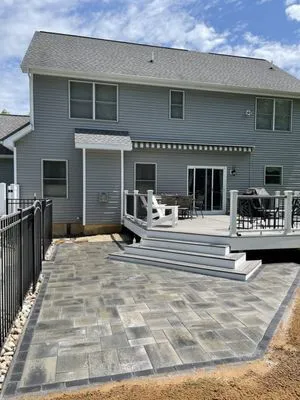
We're adding a patio. Is bluestone a durable choice, and are there other benefits compared to wood or concrete?
Bluestone pavers are an excellent, durable choice for our climate. Compared to wood, they offer vastly superior longevity without the risks of rot, insect damage, or the need for chemical treatments. Compared to solid concrete, properly installed bluestone on a permeable base allows for better water infiltration, mitigating runoff issues. In the context of Firewise guidelines, non-combustible hardscape materials like bluestone and crushed granite contribute to defensible space, a consideration even in our low-risk residential zone.
We're tired of weekly mowing and gas blower noise. Are there attractive, lower-maintenance alternatives to a traditional lawn?
Absolutely. Transitioning areas of high-input turf to structured plantings of native species like Eastern Redbud, Wild Bergamot, New England Aster, and Switchgrass is a forward-looking strategy. These plants are adapted to our Zone 5b climate and acidic soil, requiring no fertilization, minimal watering once established, and no weekly mowing. This shift reduces dependency on gas-powered equipment, future-proofing your property against tightening noise ordinances and moving beyond mere suburban Firewise compliance to true ecological function.
We're planning a significant landscaping project with regrading on our 0.45-acre lot. What permits and contractor qualifications should we verify?
Any project involving significant earth movement, drainage alteration, or structural changes on a property of this size typically requires review. You must engage a licensed professional. In New York, landscape contractors are licensed through the NYS Department of State, Division of Licensing Services. For permits, the Town of Ballston Building & Planning Department is the local authority. They will ensure the work complies with zoning, setback, and stormwater management regulations. Always verify both state licensing and local permit requirements before work begins.
We see invasive plants like Japanese Knotweed or Garlic Mustard spreading. How do we remove them without harming the environment or breaking local laws?
Invasive species pose a significant threat to local ecology. Manual removal for young plants or targeted, professional-grade herbicide application for established stands are the primary methods. Critically, any treatment plan must adhere to the NYS Phosphorus Runoff Law, which prohibits phosphorus-containing fertilizers unless a soil test confirms a deficiency. This law is designed to protect local waterways from algal blooms. Safe removal often requires specialized knowledge to prevent the spread and comply with all environmental regulations.
We want a green lawn but need to be responsible with water. What's the most effective system for our Kentucky Bluegrass?
In our USDA Zone 5b with voluntary conservation, the goal is precision. Smart Wi-Fi controllers paired with in-ground soil moisture sensors are the standard. This system irrigates based on actual evapotranspiration (ET) and root-zone moisture, not a fixed schedule. It automatically adjusts for rainfall, preventing overwatering that exacerbates our seasonal high water table. This technology maintains turf health while conserving significant water, aligning with municipal stewardship goals.
Our yard becomes a soggy mess every spring. What's causing this, and what solutions work with Ballston's regulations?
This is a classic symptom of our local soil profile: acidic sandy loam over a compacted clay subsoil. The clay layer creates an impermeable barrier, leading to a seasonal high water table. Solutions focus on improving permeability. Installing French drains or dry wells, paired with regrading, are effective. Using permeable materials like crushed granite for paths can also aid dispersal. Any significant grading or drainage work should be reviewed with the Town of Ballston Building & Planning Department to ensure runoff meets current standards.
A major storm just blew through. How quickly can a licensed crew be on-site for emergency tree or debris cleanup?
For urgent storm response in Ballston Spa, our dispatch from the Brookside Museum area allows for a 20-30 minute arrival to most village addresses during peak events. We route via I-87 (Northway) for the fastest access. Crews are equipped for immediate hazard mitigation and debris removal, operating within the local noise ordinance window of 8:00 AM to 8:00 PM to ensure compliance while addressing critical safety issues.
