Top Landscaping Services in Auburn, NY, 13021 | Compare & Call
There are 105 landscaping companies server in Auburn NY
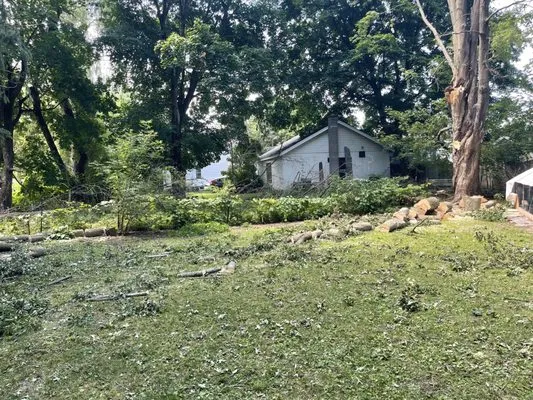
BP Land Clearing is a DeRuyter-based service provider specializing in comprehensive property maintenance and improvement solutions for local residents and businesses. We offer a wide range of services...
CNY Land Management is a full-service landscaping company serving the LaFayette, NY community. We specialize in addressing common local landscape challenges like poor yard drainage that leads to stand...

Crown City Property Services
Crown City Property Services is a Cortland-based property maintenance company dedicated to making life easier for local homeowners and businesses. We combine junk removal, landscaping, and snow remova...
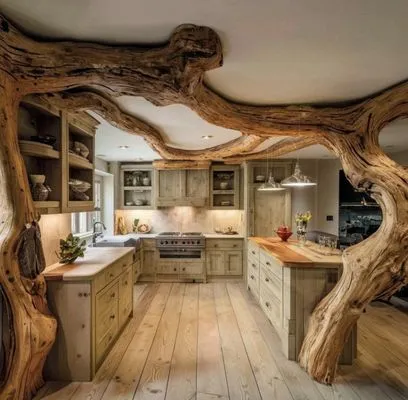
Warrens Best Painting is a trusted Binghamton-based contractor serving homeowners throughout New York with comprehensive painting, remodeling, and landscaping solutions. We specialize in transforming ...
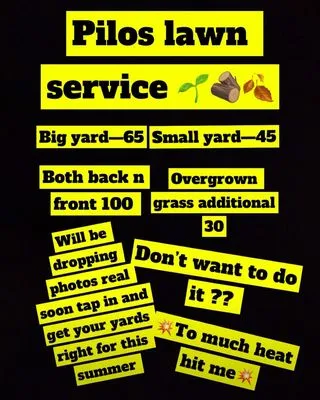
Pilo's Lawn Service is a new, locally-owned lawn care business in Syracuse, NY, founded by a young entrepreneur passionate about providing quality service at accessible prices. We specialize in compre...
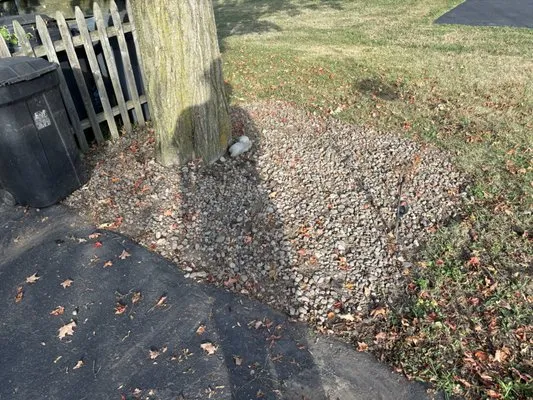
LaTray's Lawn Care and Property Management in Syracuse, NY, provides comprehensive solutions for homeowners and property investors. Specializing in lawn care and property management, we address common...

CNY Water Gardens
At CNY Water Gardens in Cincinnatus, NY, we specialize in transforming outdoor and indoor spaces with custom water features that bring lasting beauty and tranquility. Our passion is designing and buil...
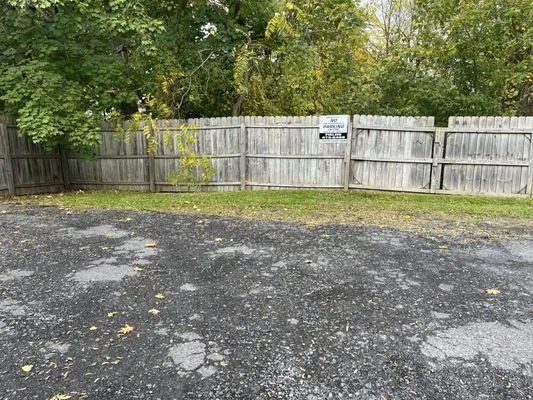
The Lawn Barber is a dedicated lawn care service in Syracuse, NY, specializing in maintaining healthy, vibrant lawns for local homeowners. We understand the common landscaping challenges in our area, ...
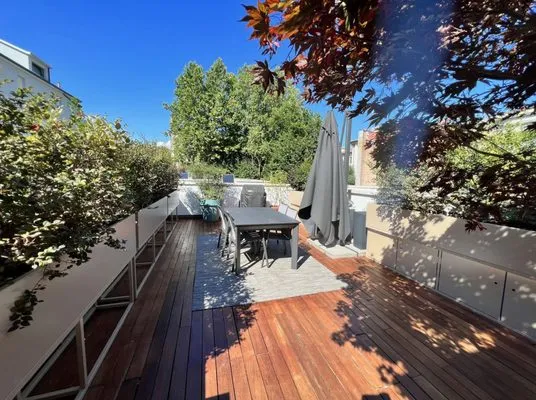
Donaldson & Sons is a family-owned landscaping company serving Baldwinsville, NY, with deep roots in the community. Founded on decades of hands-on experience that began in childhood, we specialize in ...
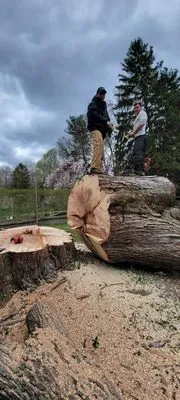
Oakes Property Maintenance and Tree Service is a trusted, full-service provider for Syracuse homeowners. We combine expert handyman skills, professional painting, and comprehensive landscaping to tack...
Estimated Landscaping Service Costs in Auburn, NY
Common Questions
Do I need a permit to regrade my backyard, and what should I verify about a contractor's credentials?
Regrading a 0.22-acre lot that alters water flow or involves significant cut/fill typically requires a permit from the Auburn Code Enforcement Office. More importantly, ensure any contractor holds the proper Home Improvement licensing through the NY State Department of State, Division of Licensing Services. This protects you legally and ensures they are bonded and informed on local codes regarding drainage, property lines, and soil disturbance.
How can I keep my Kentucky Bluegrass lawn healthy during summer without wasting water or violating conservation rules?
Auburn's voluntary conservation status still demands efficiency. Smart Wi-Fi soil moisture sensor controllers are the solution, scheduling irrigation based on actual ET (evapotranspiration) rates and soil conditions. This technology prevents overwatering by only activating when the root zone needs it, preserving the bluegrass/fescue blend while staying well within municipal water system limits. It effectively automates responsible water use.
A major storm has downed branches. How quickly can a crew respond for an emergency cleanup to meet HOA compliance?
For urgent storm response, our dispatch from the William H. Seward House Museum area allows a 20-30 minute arrival to Highland Park via NY-5/US-20 during peak hours. The primary task is clearing hazards and debris to restore safety and meet compliance deadlines. We operate with electric-charged equipment to comply with the local 8 AM to 8 PM noise ordinance during these immediate post-storm operations.
Why does the soil in my Highland Park yard seem so dense and compacted, and what can I do about it?
Properties in Auburn's Highland Park neighborhood, with an average build date of 1946, have 80-year-old soil profiles. Decades of standard lawn care have compacted the native silt loam, reducing permeability and root zone oxygen. Core aeration is critical to break up this pan, followed by top-dressing with compost to rebuild organic matter. This addresses the poor infiltration common in older clay pockets and establishes a healthier base for your turf or garden.
Is bluestone or a composite deck better for a long-lasting, low-maintenance patio in Auburn?
Bluestone or manufactured concrete pavers offer superior longevity and lower lifetime maintenance than wood or composites in our climate. They provide a permanent, non-combustible surface that aligns with low Fire Wise ratings in urban settings by creating defensible space. Unlike wood, they won't rot, warp, or require sealing, and their thermal mass helps moderate temperature swings in adjacent planting beds.
My yard holds water in spring. What's a permanent solution that also looks good?
Seasonal high water tables and poor infiltration in silt loam are common here. The fix involves regrading to create positive drainage away from foundations and installing French drains or dry wells in chronic wet spots. For new patios or walkways, using permeable bluestone or concrete pavers can meet Auburn Code Enforcement runoff standards by allowing water to percolate into the subsoil, mitigating surface pooling.
I've spotted invasive vines. How do I remove them without harming my garden or breaking local fertilizer rules?
For invasive species like Japanese knotweed or Oriental bittersweet, manual removal and careful, targeted application of systemic herbicide to the foliage are necessary. This must be done before seed set. Crucially, this treatment is separate from the NY Non-Agricultural Fertilizer Law, which restricts phosphorus use on established turf. Always dispose of invasive plant material in the trash, not compost, to prevent spread.
I want to reduce mowing and support pollinators. What are my best native plant options?
Transitioning high-maintenance turf to a native planting bed is a forward-thinking strategy. For Zone 6a, establish drifts of Common Milkweed, Wild Bergamot, New England Aster, and Joe-Pye Weed. This palette provides season-long bloom, requires no fertilization under the NY law, and supports critical 2026 biodiversity targets. It also reduces reliance on gas-powered equipment, aligning with evolving noise and emission ordinances.
