Top Landscaping Services in Athens, NY, 12015 | Compare & Call

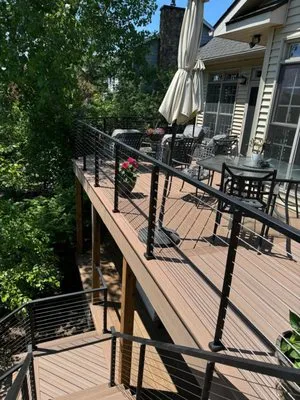
All Season, based in Athens, NY, is your local expert for enhancing and maintaining your property's value and beauty. We specialize in comprehensive outdoor services, including custom deck constructio...

Prefect Petals is a trusted Athens, NY landscaping company specializing in comprehensive garden and lawn solutions for local homeowners. We understand that many properties in our area face challenges ...

Clean Cut Property Management is your trusted local partner for landscaping and general contracting in Athens, NY. We specialize in solving the common property issues faced by homeowners in our commun...
Questions and Answers
How do I control invasive species without violating fertilizer laws?
Japanese knotweed and garlic mustard present the highest invasive risks in Athens. Mechanical removal before seed set avoids NYS Nutrient Runoff Law restrictions on phosphorus applications. For persistent infestations, targeted glyphosate applications in fall when natives are dormant comply with local ordinances. Always consult the NYS Department of Environmental Conservation invasive species list before treatment.
Can I reduce mowing frequency with native plantings?
Replacing high-maintenance turf with Eastern Redbud, Sweet Pepperbush, Butterfly Milkweed, and New England Aster reduces mowing requirements by 60-70%. These natives thrive in Zone 6a acidic soils without supplemental irrigation. Transitioning to electric maintenance equipment aligns with pending local legislation restricting gas-powered blowers. Native plantings also support 2026 biodiversity standards for pollinator corridors.
Why does my lawn in the Village Center have drainage issues and compacted soil?
Athens properties built around 1955 have 71-year-old soil profiles. Acidic silt loam in this neighborhood naturally compacts over decades, reducing percolation rates below 0.5 inches per hour. Core aeration every 2-3 years with organic amendments like composted leaf mold addresses this compaction while maintaining the optimal pH 5.8-6.2 range for Kentucky Bluegrass. Soil testing through Cornell Cooperative Extension confirms specific amendment needs.
Are bluestone patios better than wood decks for longevity?
Bluestone patios outperform wood decks in Athens' climate with 50+ year lifespans versus 15-25 years for pressure-treated wood. The material's thermal mass moderates temperature extremes while providing non-combustible defensible space important for Moderate Fire Wise ratings. Permeable installation methods using gravel bases prevent frost heave damage common in Zone 6a freeze-thaw cycles.
What solutions work for seasonal water table issues in my yard?
Acidic silt loam in Athens has poor infiltration rates, exacerbating seasonal high water table problems. Permeable concrete pavers installed with 6-8 inches of gravel base provide 80-90% permeability, meeting Athens Village Building Department runoff standards. French drains directing water away from foundations complement these hardscape solutions. Always test percolation rates before designing drainage systems.
How quickly can you respond to emergency storm damage for HOA compliance?
Emergency cleanup dispatch originates from Athens Riverfront Park, traveling via I-87 to reach Village Center properties within 45-60 minutes during peak conditions. Our electric maintenance fleet operates within the 8am-8pm noise ordinance window without restriction. We prioritize safety hazards like downed limbs over aesthetic concerns, documenting all work for HOA compliance reporting.
What permits and licenses are needed for grading my quarter-acre lot?
Grading work on 0.25-acre lots requires Athens Village Building Department permits for any soil disturbance exceeding 100 cubic yards. Contractors must hold New York State Department of State licensing for landscape architecture or excavation work. The NYS Nutrient Runoff Law additionally regulates erosion control measures during grading operations. Always verify contractor licensing through the Department of State online registry before work begins.
Should I install smart irrigation with current water restrictions?
Stage 0 water restrictions permit irrigation but mandate efficiency. Smart Wi-Fi ET-based controllers adjust watering based on real-time evapotranspiration data, reducing Kentucky Bluegrass water use by 30-40% compared to traditional timers. These systems preserve turf health while staying well within municipal water allocation limits. Properly calibrated controllers account for local microclimates near the Hudson River.
