Top Landscaping Services in Arverne, NY, 11692 | Compare & Call
There are 169 landscaping companies server in Arverne NY
Lemus Landscaping is a trusted local landscaping company serving Far Rockaway, NY. We specialize in addressing common local landscaping challenges, such as soil compaction and poor lawn grading, which...
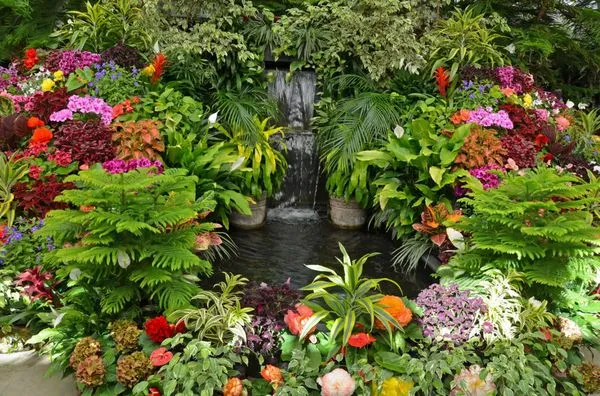
Estate Gardening LI is a full-service landscaping company serving Lynbrook, NY, specializing in transforming outdoor spaces through expert design, construction, and maintenance. We address common loca...
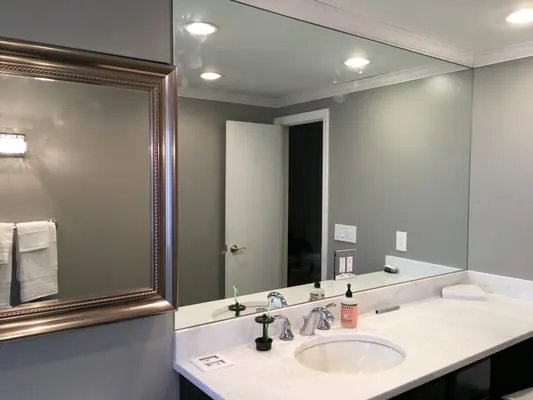
ANS Contracting
ANS Contracting is a Long Beach-based general contracting company founded in 2006 by partners Anthony and Fred, who each bring over 20 years of individual construction experience to every project. Aft...
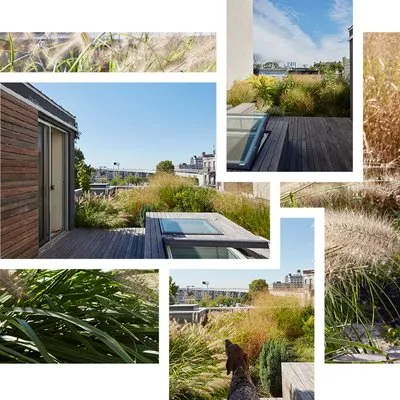
Field Form
Field Form is a Brooklyn-based landscape design/build firm founded by lifelong resident Sam Robinson. Sam's passion for landscapes began in the abandoned lots of Gowanus and fields of Prospect Park, d...
Vinicio Alvarado Landscaping is a trusted local landscaping and tree service provider serving Inwood, NY, and surrounding communities. With expertise in comprehensive landscape maintenance, lawn care,...
Victor Rivera Landscaping is a trusted, locally-owned landscaping company serving Far Rockaway, NY, and the surrounding communities. We specialize in practical, lasting solutions for the unique challe...
Mendez Landscaping Sprinklers has been serving the Inwood, NY community and surrounding areas like Colrain for over 30 years. Founded on principles of professionalism, commitment, diligence, and cost-...
Jorge Tree Services is your trusted local partner for maintaining Inwood's beautiful landscapes and protecting homes year-round. We understand the unique challenges of local yards, including common is...
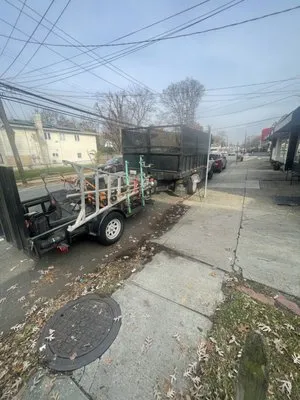
Jorge Landscaping and Tree Service is a trusted local provider in Inwood, NY, specializing in comprehensive tree care and landscape maintenance. We understand that Inwood homeowners frequently face ch...
Estimated Landscaping Service Costs in Arverne, NY
FAQs
Are permeable pavers a better choice than wood for a patio?
For durability and ecological function in Arverne's coastal environment, permeable concrete pavers are superior to wood. They resist salt corrosion, do not rot, and provide a stable, low-maintenance surface. Their permeability directly mitigates local drainage issues. Furthermore, in this Moderate Fire Wise rated coastal urban interface, non-combustible pavers contribute to defensible space when used appropriately in landscape design, unlike wooden decks which pose a fuel hazard.
How quickly can you respond to an emergency cleanup for HOA compliance?
Our dispatch for emergency storm or compliance cleanups in Arverne is routed from our staging area near Rockaway Community Park. The primary route utilizes the Belt Parkway, with a standard peak travel time of 45-60 minutes to account for traffic and storm-related congestion. This timeline allows for safe transit of our electric maintenance fleet, which is optimized for rapid response under NYC's strict noise ordinances. We prioritize immediate site assessment and debris management to meet compliance deadlines.
Why does my soil seem so compacted and lifeless?
Arverne by the Sea was largely built in 1971, meaning your soil profile is approximately 55 years old and likely consists of sandy loam over coastal fill. This material was graded and compacted during construction, leading to poor soil structure and low organic matter. The compaction severely limits root penetration, water infiltration, and microbial activity. To restore soil health, core aeration followed by top-dressing with compost is essential to increase permeability and build a stable soil matrix.
My yard floods after heavy rain. What's the best long-term fix?
Coastal storm surge and the low infiltration rate of sandy loam fill create a chronic surface water hazard. The solution integrates grading for positive slope away from structures and installing subsurface French drains. For hardscapes, we specify permeable concrete pavers, which meet NYC DOB standards for stormwater management by allowing water to percolate into the ground rather than contributing to runoff. This combined approach addresses both immediate ponding and long-term lot resilience.
What invasive species should I watch for, and how do I control them?
Common invasive threats in this area include Japanese Knotweed and Mugwort, which exploit disturbed soils. Manual removal and solarization are effective first steps. For any necessary treatment, we use phosphorus-free products in strict compliance with New York State's Nutrient Runoff Law, applying only during permitted seasons to protect Jamaica Bay. A healthy, dense planting of native species is the best defense, as it outcompetes invaders for resources.
How do I keep my lawn green during voluntary water restrictions?
Under Stage 1 voluntary conservation, efficient water use is critical. A smart Wi-Fi ET-based controller, paired with soil moisture sensors, is the definitive solution. This system automatically adjusts irrigation schedules based on real-time evapotranspiration data and actual soil conditions, preventing overwatering. For your Tall Fescue and Kentucky Bluegrass mix, this technology ensures deep, infrequent watering that promotes drought-tolerant root systems while staying well within municipal water use guidelines.
What permits and licenses are needed for regrading my yard?
Regrading a 0.12-acre lot in NYC requires navigating specific regulations. The NYC Department of Buildings may require a permit if work alters drainage patterns or affects foundational support. Crucially, any contractor performing this work must hold appropriate licensing through the New York State Department of State, Division of Licensing Services. This ensures they carry mandated insurance and understand local code, protecting you from liability and substandard work that could exacerbate drainage or structural issues.
Is there a lower-maintenance alternative to my traditional lawn?
Transitioning high-maintenance turf to a xeriscape of native coastal plants is a strategic upgrade. Species like Beach Plum, Seaside Goldenrod, Switchgrass, and Bayberry are adapted to local soils, salt spray, and drought, requiring minimal supplemental water and no chemical inputs. This conversion also future-proofs your property against evolving noise ordinances that restrict gas-powered blowers, as these plantings generate less fine debris and are maintained with quieter electric equipment.
