Top Landscaping Services in Armonk, NY, 10504 | Compare & Call
There are 152 landscaping companies server in Armonk NY
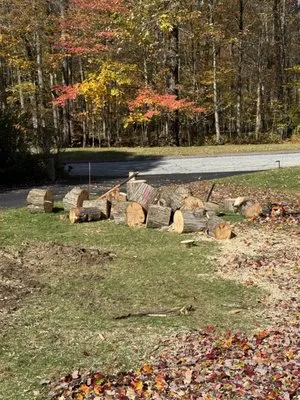
Natura Landscaping Corp is a fully licensed and insured landscaping and tree service company with over 8 years of experience serving Westchester County, Putnam Valley, Orange County, and surrounding a...
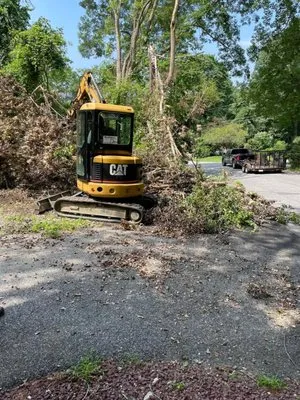
Superpower Home Improvement is a Mahopac-based landscaping, snow removal, and pressure washing company founded in 2020 by two brothers who turned their side hustle into a trusted local business. As li...

Timberline Tree & Landscape is a family-owned tree service and landscaping company serving Nanuet, NY, and the surrounding Rockland County area since 1978. Founded and operated by Steve DiRocco, a for...
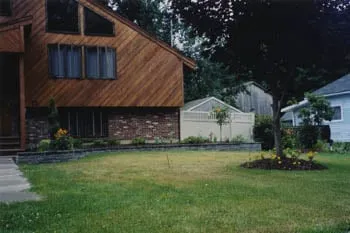
Landscape Impressions Associates brings over 16 years of dedicated expertise to Tuxedo Park and the surrounding Orange County communities. Founded on a combination of formal education—including a degr...
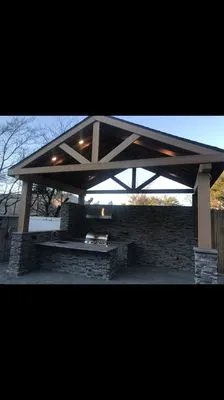
D & D Tree & Landscape has been serving the Rockland, Westchester, and Bergen County area since 1978, providing expert tree care, landscape design, custom planting, masonry, commercial landscape maint...
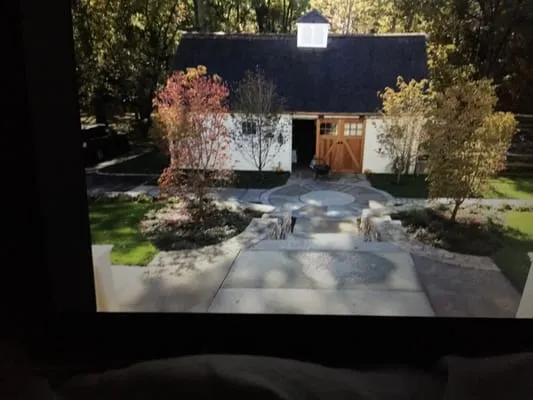
Luppino Landscaping and Masonry has been serving Mount Kisco, NY, and the surrounding communities since 1985. Founded as a small residential landscaping operation with just five employees, the company...
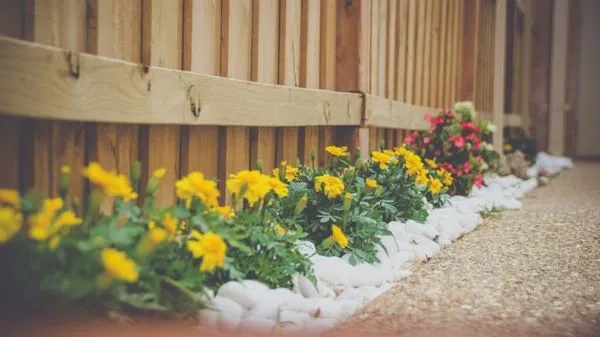
Alphabet Landscaping & Maintenance is a Briarcliff Manor-based company specializing in comprehensive lawn and garden care. We provide reliable services including gardening, irrigation design, construc...
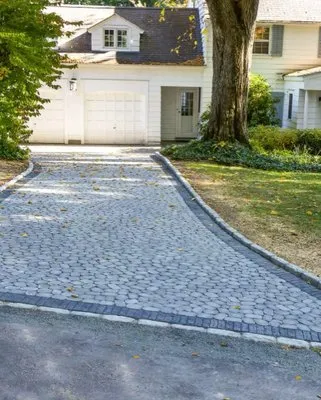
MG's Lawn Green Inc is a family-owned and operated landscaping company based in Pleasantville, NY, serving Westchester County, NYC, and The Bronx since 1988. Founded by Mark, a longtime Pleasantville ...
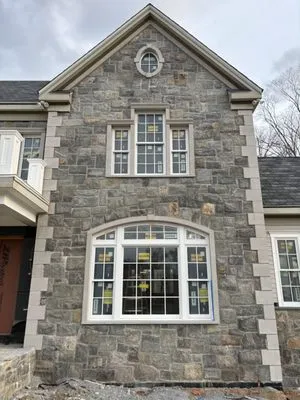
J & C Masonry & Landscaping, Inc. is a trusted, family-owned and operated business serving Ossining and surrounding Westchester County communities since 1998. As fully certified, licensed, and insured...
Sean's Lawn Care & Property Maintenance is a trusted, locally-owned business serving Elmsford and Westchester County with friendly, reliable service. We specialize in comprehensive lawn care and prope...
Estimated Landscaping Service Costs in Armonk, NY
Frequently Asked Questions
What solutions work for seasonal water saturation in my yard?
Armonk's acidic sandy loam combined with a high water table requires French drains or dry wells to redirect subsurface water. Installing permeable bluestone pavers instead of solid surfaces reduces runoff volume by allowing infiltration. These approaches meet Town of North Castle Planning Department standards for stormwater management. Strategic grading that directs water away from foundations while preserving natural contours prevents erosion during heavy rain events common in USDA Zone 7a.
How quickly can you respond to an emergency storm cleanup for HOA compliance?
Our electric maintenance fleet can dispatch from Wampus Brook Park within 20-30 minutes during peak conditions, using I-684 for efficient routing. This rapid response meets typical HOA requirements for debris removal after severe weather events. Electric equipment operates within Armonk's noise ordinance restrictions, allowing work during extended hours without violating gas-powered tool limitations from May 15 through September 30.
Why choose bluestone over wood for patios in fire-prone areas?
Bluestone pavers provide superior fire resistance compared to wood decking, supporting defensible space requirements in Armonk's Moderate Wildland-Urban Interface rating. The natural stone withstands freeze-thaw cycles in USDA Zone 7a without deteriorating, offering 30+ year longevity with minimal maintenance. Proper installation with permeable bases reduces heat island effect while allowing water infiltration. This non-combustible material creates safe outdoor living spaces that complement the region's architectural styles.
Why does my Armonk Village lawn have drainage issues and poor soil quality?
Armonk Village properties built around 1987 have 39-year-old soil systems that have compacted over time. The acidic sandy loam common here naturally has low organic matter, which reduces permeability. Core aeration and adding composted organic amendments improve soil structure by increasing pore space for root growth and water movement. This addresses the seasonal saturation issues while maintaining the pH 5.5-6.5 range optimal for native plants.
What permits and licenses are needed for grading my 0.75-acre property?
Grading projects exceeding 100 cubic yards of earth movement require permits from the Town of North Castle Planning Department to ensure proper drainage and erosion control. Contractors must hold appropriate licensing through Westchester County Department of Consumer Protection, verifying insurance and competency standards. Professional landscape architects should design significant regrading to address the property's slope and water table conditions. These requirements protect against downstream flooding and maintain neighborhood stormwater management systems.
How do I control invasive species without violating fertilizer regulations?
Japanese knotweed and garlic mustard pose significant threats in Westchester County, requiring early identification and mechanical removal before seed set. Spot treatment with glyphosate alternatives during dormant seasons avoids conflicts with NYS Nutrient Runoff Law phosphorus restrictions. Improving soil health through mycorrhizae inoculation strengthens native plant competitiveness against invaders. Regular monitoring and manual removal prevent establishment while maintaining compliance with local environmental protections.
What are alternatives to high-maintenance turf that reduce noise and water use?
Replacing portions of traditional lawn with White Oak, Flowering Dogwood, Sweet Pepperbush, Purple Coneflower, and Wild Bergamot creates a biodiverse landscape requiring less maintenance. These native plants have adapted to Armonk's climate and soil conditions, needing minimal watering once established. This transition reduces reliance on gas-powered equipment affected by seasonal noise restrictions. The resulting habitat supports pollinators while providing year-round visual interest with less resource input.
How do I maintain my Kentucky Bluegrass lawn during voluntary water conservation?
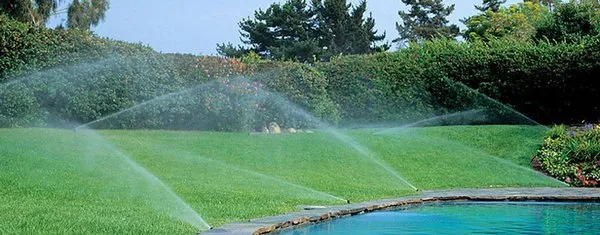
Wi-Fi ET-based weather sensing irrigation systems adjust watering schedules according to actual evapotranspiration rates, reducing water use by 20-30% compared to traditional timers. This technology preserves the Kentucky Bluegrass and Fine Fescue mix while staying within Stage 1 conservation guidelines. Programming deeper, less frequent watering encourages deeper root growth that better withstands dry periods. The system automatically skips cycles during rainfall events, preventing oversaturation of Armonk's high water table soils.
