Top Landscaping Services in Albany, NY, 12201 | Compare & Call
There are 195 landscaping companies server in Albany NY
Steven Roberts Landscaping is a trusted local landscaping company serving Albany, NY, and the surrounding Capital Region. With years of hands-on experience in the area's unique climate and soil condit...
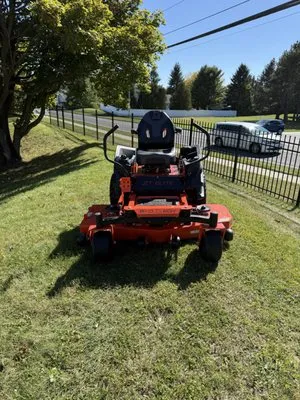
Valley View Lawns is a locally owned and operated lawn care business serving Selkirk, NY, founded in March 2025. We started as a small company focused on providing reliable lawn care and seasonal clea...
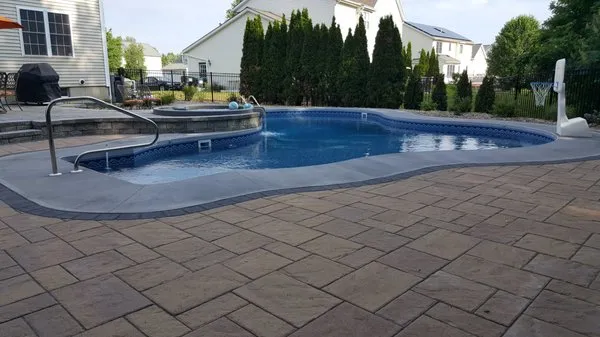
Brad Rose Landscaping is a family-owned and operated landscaping company serving Rensselaer, NY, and surrounding areas with 39 years of experience. Specializing in comprehensive landscape solutions, t...
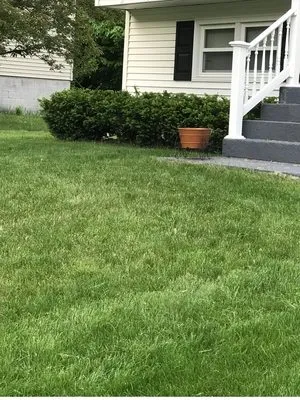
Brennan Landscaping has been serving Schenectady since 1990, founded by a SUNY Cobleskill graduate with expertise in landscape design and turf management. Over the decades, we've evolved from basic la...
Serenity Landscaping Services is a trusted local provider in Albany, NY, specializing in comprehensive landscaping and snow removal solutions. We address common regional challenges like lawn moss grow...
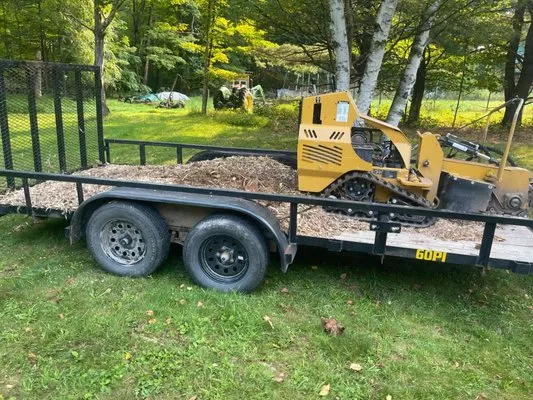
JJ Tree Service
JJ Tree Service has been a family-owned and operated part of the Preston Hollow community for over 13 years. Owner JJ's lifelong passion for trees began in the local woods, leading to a career dedicat...
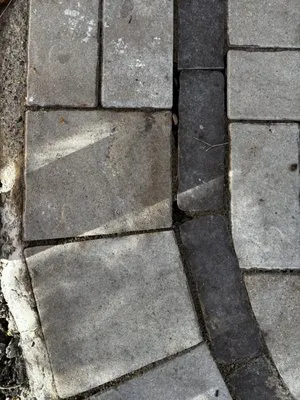
Marin Property Services is a full-service landscape company based in Voorheesville, NY, serving the Capital District since 2018. We specialize in designing, constructing, and maintaining outdoor space...
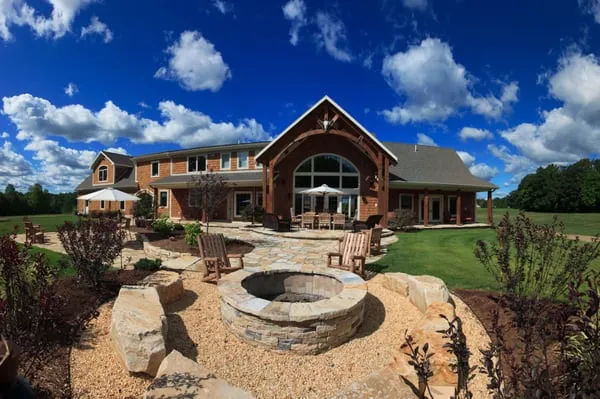
Pearl Landscaping & Patio
Pearl Landscaping & Patio is a full-service design and construction firm serving Albany, NY, and the surrounding Capital Region. We specialize in transforming outdoor spaces through comprehensive serv...
Boyd Landscaping is a trusted, locally owned landscaping service in Delmar, NY, dedicated to solving common homeowner challenges. We understand that local properties often face issues like deteriorati...
Albright's Lawn Care is a trusted local landscaping company serving Selkirk, NY, and the surrounding Capital Region. We specialize in diagnosing and solving common homeowner landscaping challenges, su...
Estimated Landscaping Service Costs in Albany, NY
Common Questions
What permits and contractor credentials are needed for regrading my backyard?
Regrading that alters water flow or involves significant cut/fill typically requires a permit from the Albany Department of Buildings and Regulatory Compliance. For a 0.15-acre lot, this work must be performed by a licensed professional. Verify active licensing with the New York State Department of State Division of Licensing Services to ensure liability coverage and adherence to state erosion control and nutrient management laws.
I'm tired of weekly mowing and gas equipment noise. Are there quieter, lower-maintenance options?
Transitioning to a climate-adaptive landscape with deep-rooted natives like Purple Coneflower and Little Bluestem drastically reduces water, mowing, and chemical inputs. This approach future-proofs your property against tightening noise ordinances that will restrict gas-powered blowers. An established native planting bed requires minimal intervention, fostering local biodiversity and providing year-round visual interest.
Is bluestone or composite wood better for a new patio in terms of durability and safety?
Locally quarried bluestone offers superior longevity and permeability compared to wood or composites, which can degrade and leach. In Albany's low Firewise rating urban interface, non-combustible materials like stone are critical for creating defensible space. A properly installed bluestone patio with a gravel base will manage runoff effectively and remain stable despite decades of freeze-thaw cycles.
My yard turns into a muddy pond every spring. What's the cause and a lasting fix?
Seasonal saturation and frost heave are predictable in Albany's clay-rich silt loam. The primary issue is subsurface compaction, which halts water infiltration. A graded solution involves installing a French drain system tied to a dry well or daylight outlet. For new hardscapes, specifying permeable bluestone paver installations can meet Albany Department of Buildings runoff requirements by allowing water to percolate locally.
My Helderberg neighborhood lawn looks tired and drains poorly. Is this just age?
Albany's Helderberg area was largely developed in the mid-20th century. Soils on these 75+ year-old lots have matured into a dense, acidic silt loam, a common profile here. Over decades, compaction from foot traffic and equipment has severely reduced soil percolation. Core aeration and incorporating composted organic matter are not optional; they are essential interventions to rebuild soil structure and correct the low pH that limits nutrient availability.
What are the biggest weed threats here, and how do I deal with them safely?
Invasive species like Japanese Knotweed and Garlic Mustard pose significant risks in Zone 6a. Control requires persistent mechanical removal or approved herbicide applications timed for plant physiology. All treatments must comply with New York State's phosphorus ban and local runoff laws, avoiding fertilizer application blackout dates. A soil test is the first step to ensure any amendment is necessary and legal.
We have an HOA notice for overgrowth and need a rapid cleanup. What's your emergency response?
For urgent compliance, our dispatch routes from our Washington Park staging area directly onto I-90, providing reliable access to the Helderberg neighborhood. This logistics plan targets a 25-40 minute arrival, even during peak congestion. We prioritize initial debris removal and perimeter trimming to meet immediate standards, followed by a detailed assessment for a sustainable maintenance plan.
How can I keep my Kentucky Bluegrass lawn healthy without wasting water?
Wi-Fi ET-based irrigation controllers are the standard for efficiency in Albany. These systems use local evapotranspiration data to apply only the water the grass has used, automatically adjusting for rain and heat. This technology maintains turf health within voluntary conservation guidelines by preventing the 30-50% overwatering typical of traditional timer systems, directly addressing our variable seasonal moisture.
