Top Landscaping Services in Alabama, NY, 14001 | Compare & Call
There are 157 landscaping companies server in Alabama NY
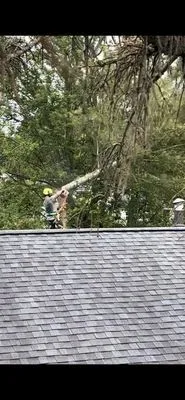
Southtowns Landscaping is a full-service landscaping and tree care company serving Lake View, NY, and the surrounding Southtowns area. We specialize in comprehensive outdoor solutions, from tree remov...
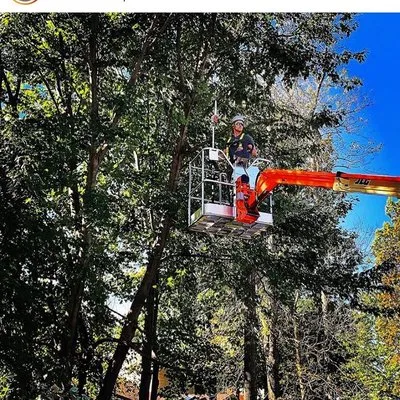
JA Krantz Landscapes
JA Krantz Landscapes is a full-service Swormville landscaping company dedicated to transforming and maintaining local properties. We specialize in comprehensive solutions from initial design to final ...
BAM's Lawn Care and Maintenance is a family-owned landscaping and snow removal business serving Niagara Falls, NY, since 2020. Founded by Brandon and Mike, the company has grown steadily by focusing o...
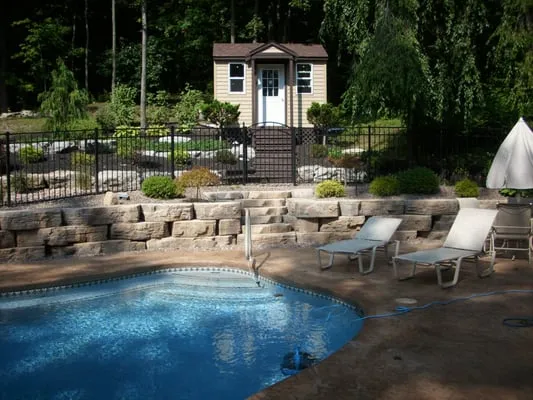
Founded in 1994, Pinelli Landscaping has been a trusted partner for homeowners in Buffalo and West Seneca for nearly three decades. Our mission is simple: to treat your property with the same care and...
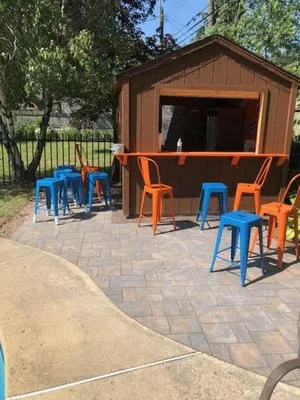
PL Services is a trusted, full-service landscaping and tree care company serving North Tonawanda, NY, and the surrounding communities. We specialize in resolving the common local challenges homeowners...
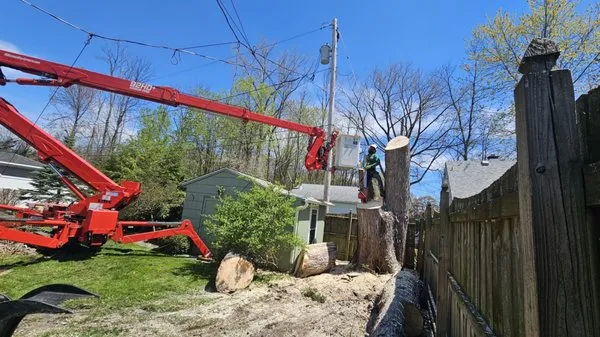
KD Tree Service Buffalo NY is a locally owned and operated tree service and landscaping company serving the Buffalo, NY area. With a team of trained professionals and our own specialized equipment, we...
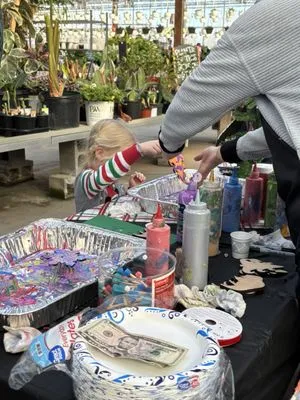
Lavocat's Family Greenhouse and Nursery
For over 30 years, Lavocat's Family Greenhouse and Nursery has been a cornerstone of East Amherst, rooted in family tradition. Founded by Don Sr. and Teri Lavocat, the business began as a passion proj...
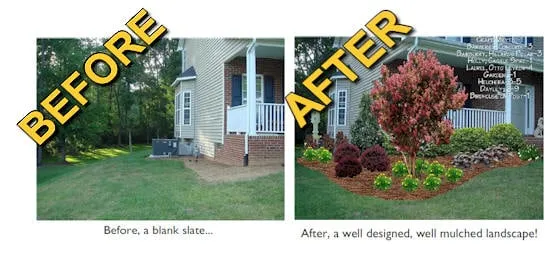
Green Giant Landscaping is your dedicated local partner for a beautiful, healthy outdoor space in Kenmore, NY, and throughout Erie County. We believe your satisfaction is the true measure of our work,...
Nick's Service With A Smile, INC. was founded on a simple, powerful principle: a happy team provides exceptional service. Inspired by past managers who fostered a supportive environment, owner Nick bu...
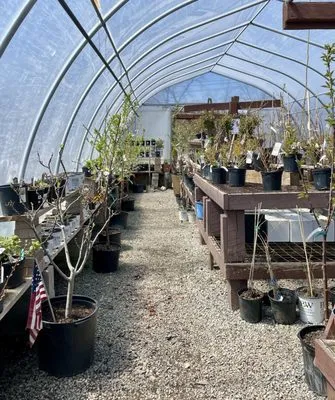
Lincoln Park Nursery
Lincoln Park Nursery is a family-owned and operated nursery and garden center in Amherst, NY, established in 1951. With over 70 years of experience, we specialize in planting and offer a wide range of...
Estimated Landscaping Service Costs in Alabama, NY
FAQs
How can we keep our Kentucky Bluegrass lawn healthy during dry spells without violating water restrictions?
Effective irrigation hinges on precision, not volume. While Alabama is currently in Stage 0, proactive water conservation is standard. A soil moisture sensor-based drip system delivers water directly to the root zone, minimizing evaporation and runoff. This technology aligns irrigation schedules with actual evapotranspiration (ET) rates, preserving turf health while using significantly less municipal water than traditional sprinklers.
We're seeing invasive vines taking over a hedgerow. How should we handle them?
Early identification and treatment are essential for invasive species like Oriental Bittersweet or Japanese Honeysuckle. Manual removal of roots is most effective for small infestations. For larger areas, a targeted, systemic herbicide applied in late summer or fall minimizes drift. Any follow-up soil amendments must comply with the NYS Nutrient Runoff Law, which prohibits phosphorus application on established turf, to protect local watersheds.
Do we need a permit or special contractor to regrade and fix drainage on our 2.5-acre lot?
Yes. Significant grading that alters water flow typically requires a permit from the Town of Alabama Code Enforcement Office. For a property of this size, the scale of work almost certainly necessitates hiring a licensed professional. Verify the contractor holds appropriate licensing through the New York State Department of State Division of Licensing Services, as this ensures they are bonded and insured for earthwork and drainage correction.
Our soil seems so compacted and tired. Is this normal for Alabama Center homes built in the late 1950s?
Yes, this is a predictable soil maturity issue. Your property, like many in the neighborhood, has had 68 years of foot traffic and equipment compaction on its native Dunkirk Silt Loam. This soil type is prone to dense layering, especially over the glacial till subsoil. The primary solution is not just fertilizing, but annual core aeration and the addition of composted organic matter to rebuild soil structure and microbial life.
Our yard holds water for days after rain. What's the best long-term fix for this soggy ground?
Poor infiltration is a hallmark of Dunkirk Silt Loam over dense glacial till. The solution involves improving subsurface permeability. Start with a deep-tine aeration to fracture the compacted layers. For hardscapes, specify permeable installations using compacted crushed limestone as a base, which allows water to infiltrate and meets Town of Alabama Code Enforcement runoff management standards, redirecting water from foundations.
If a major storm downs a tree, what's the realistic timeline for an emergency cleanup crew to reach us?
For an emergency storm response, anticipate a 45 to 60-minute dispatch during peak events. A certified crew would stage from a central point like the Alabama Town Hall and proceed via NY-77. This timeframe accounts for road hazards and prioritization of life-safety incidents. Having a pre-vetted contractor with local knowledge is critical for expedited service.
Is bluestone or pressure-treated wood better for a new patio that will last?
Bluestone offers superior longevity and lower lifetime maintenance compared to wood. As a natural stone, it is highly durable against freeze-thaw cycles in Zone 6a and does not require chemical treatments. From a safety perspective, its non-combustible nature contributes to defensible space, which is a consideration for any property with a Fire Wise rating, even at the current Low level in Alabama's forested buffers.
We want to reduce mowing and gas-powered maintenance. What are our options?
Transitioning to a climate-adaptive landscape is key. Replace high-maintenance turf areas with communities of native plants like Little Bluestem, New England Aster, and Joe-Pye Weed. These species are adapted to Zone 6a, require no supplemental irrigation once established, and provide critical habitat. This shift preempts tighter noise ordinances on gas blowers and aligns with the industry's move toward electric maintenance fleets.
