Top Landscaping Services in Lovelock, NV, 89419 | Compare & Call
There are 201 landscaping companies server in Lovelock NV
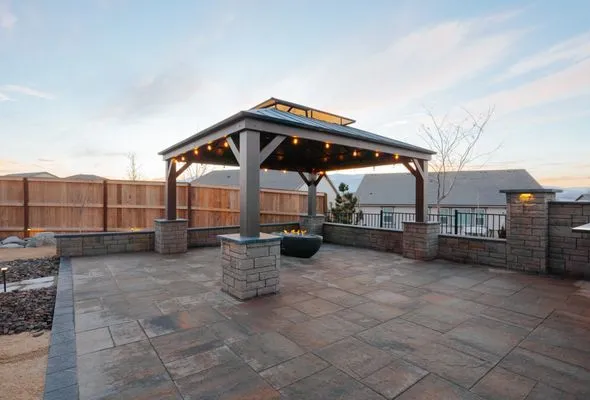
The Yard Guys is a family-owned landscaping business in Reno, founded by Noe Martinez and Ivet Contreras. With over a decade of hands-on experience in both residential and commercial projects across N...
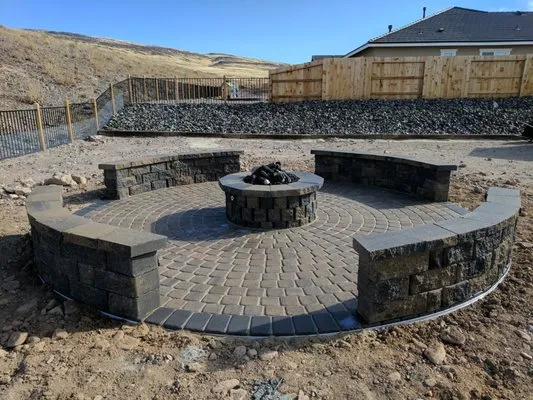
Antonucci Lawn and Garden
Antonucci Lawn and Garden is a Reno-based custom landscape design company founded in 2009 by owner Frank Antonucci. Specializing in transforming outdoor spaces across Northern Nevada, including Reno, ...
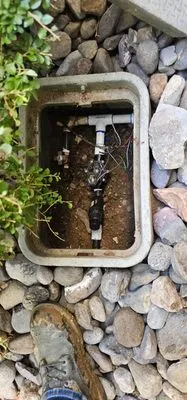
Aces Lawn Care is a licensed, locally-owned lawn care and irrigation service provider in Reno, NV, dedicated to helping homeowners maintain healthy, vibrant outdoor spaces. We specialize in irrigation...
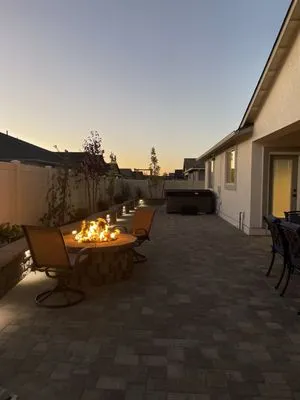
Nevada Silver Construction is a licensed landscaping and construction company based in Sparks, NV, specializing in creating customized outdoor living spaces. We focus on artificial turf installation, ...
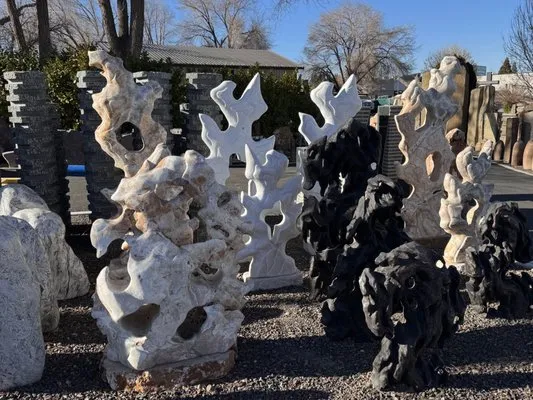
Creative Gardens
Creative Gardens is a fourth-generation, family-owned landscaping and design firm proudly serving Sparks, Nevada. Rooted in over 30 years of local experience, our expertise spans from artistic landsca...
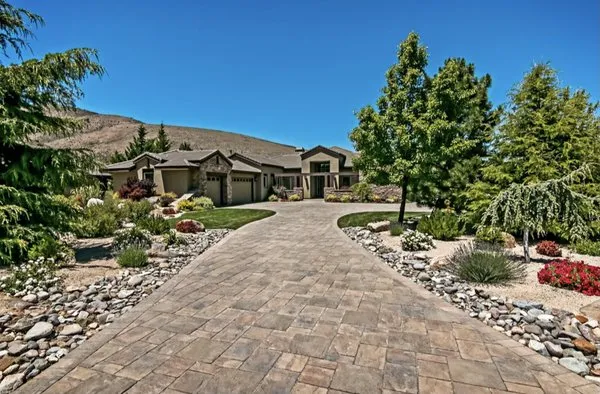
DRC Landscaping is a licensed, bonded, and insured landscaping company serving Sparks, NV, and the surrounding Northern Nevada area. Founded by owner-operator Daniel Clark, who brings over seven years...
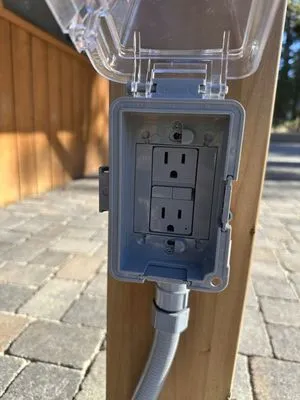
Santiago Landscape & Maintenance
Santiago Landscape & Maintenance is a locally-owned, licensed landscape and concrete contractor serving Reno and Sparks since 2001. Founded by brothers who pooled their construction and landscaping ex...
Grandscapes is Reno's trusted outdoor construction partner, specializing in landscaping, masonry/concrete work, and snow removal. With four years of operation and a team boasting 60 years of collectiv...
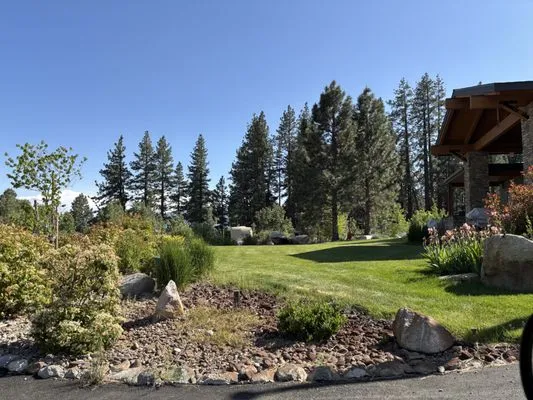
Silver State Landscaping is a Reno-based company specializing in landscaping, fence and gate services, and refinishing. We help homeowners and businesses maintain beautiful outdoor spaces with service...
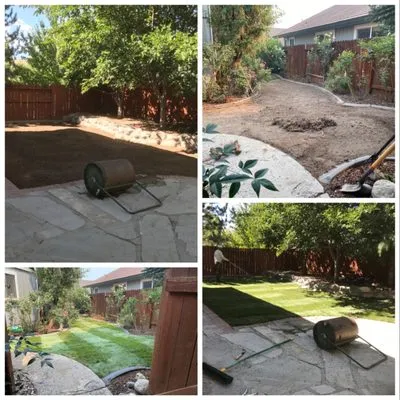
EcoGreen Lawn Care is a locally owned and operated lawn service in Reno, NV, dedicated to creating and maintaining healthy, resilient landscapes suited for our high-desert climate. We understand that ...
Estimated Landscaping Service Costs in Lovelock, NV
Common Questions
What permits and licensing are required for grading work on a 0.22-acre lot in Lovelock?
Grading projects exceeding 100 cubic yards of earth movement require a permit from the Pershing County Building Department. Contractors must hold appropriate licensing through the Nevada State Contractors Board, specifically classification for excavation or landscaping. Professional oversight ensures proper drainage design, soil stabilization, and compliance with erosion control measures on residential parcels of this size.
What solutions address poor water infiltration and salt accumulation in alkaline silt loam?
High alkalinity and salt accumulation in silt loam require both soil amendments and engineered drainage. Incorporating gypsum helps displace sodium ions while improving soil structure. Using permeable crushed desert aggregate or basalt pavers for hardscapes increases surface infiltration rates. These approaches meet Pershing County Building Department runoff standards by reducing standing water and salt buildup.
What invasive species threaten Lovelock landscapes, and how should they be controlled?
Russian olive and saltcedar present significant invasion risks in alkaline soils, outcompeting natives and increasing fire hazard. Mechanical removal followed by targeted herbicide application during dormant seasons proves most effective. All treatments must follow Nevada's General State Water Quality Guidelines, avoiding fertilizer applications near waterways and timing interventions to prevent chemical runoff.
How quickly can you respond to an emergency cleanup after a windstorm for HOA compliance?
Emergency dispatch from the Pershing County Courthouse area via I-80 typically requires 20-30 minutes during peak conditions. This accounts for debris removal, branch trimming, and site restoration to meet neighborhood standards. Our electric fleet operates within standard daytime hours of 07:00-20:00 to comply with noise ordinances while providing rapid response.
Why does my Central Lovelock yard have such compacted, alkaline soil that struggles to support healthy plants?
Properties built around 1977 have soil that has matured for approximately 49 years. In Central Lovelock, alkaline silt loam with pH 8.2 naturally develops poor structure over decades due to minimal organic matter input and irrigation practices. This soil type becomes dense, reducing permeability and root penetration. Core aeration combined with compost amendments can improve soil health by increasing organic content and microbial activity.
How do crushed desert aggregate and basalt pavers compare to wood for durability and fire safety?
Crushed desert aggregate and basalt pavers offer superior longevity to wood, resisting decay and insect damage in Lovelock's climate. These non-combustible materials contribute to defensible space requirements in Moderate Wildland-Urban Interface zones. Their thermal mass moderates ground temperatures while providing stable, low-maintenance surfaces that withstand freeze-thaw cycles without deterioration.
How can I maintain Kentucky Bluegrass or tall fescue blends during Stage 1 water restrictions?
Smart Wi-Fi ET-based irrigation controllers adjust watering schedules based on real-time evapotranspiration data from local weather stations. These systems reduce water use by 15-25% compared to traditional timers while preserving turf health. Programming deep, infrequent watering cycles during cooler hours minimizes evaporation loss and maintains soil moisture within municipal conservation guidelines.
What are the benefits of replacing high-maintenance turf with native plants in Lovelock?
Transitioning to Desert Globemallow, Four-wing Saltbush, Indian Ricegrass, and Rabbitbrush reduces water demand by 60-80% compared to traditional turf. These natives require minimal mowing and eliminate gas-powered blower use, aligning with evolving noise ordinance restrictions. Established native plantings also support local pollinators and require no synthetic fertilizers, enhancing ecological resilience.
