Top Landscaping Services in Johnson Lane, NV, 89423 | Compare & Call
There are 168 landscaping companies server in Johnson Lane NV
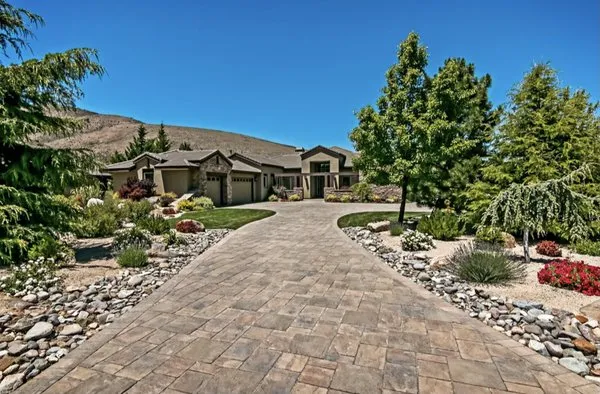
DRC Landscaping is a licensed, bonded, and insured landscaping company serving Sparks, NV, and the surrounding Northern Nevada area. Founded by owner-operator Daniel Clark, who brings over seven years...
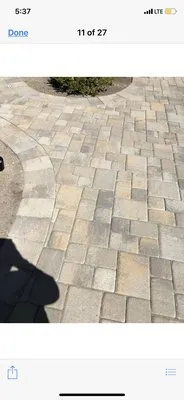
Grandscapes is Reno's trusted outdoor construction partner, specializing in landscaping, masonry/concrete work, and snow removal. With four years of operation and a team boasting 60 years of collectiv...
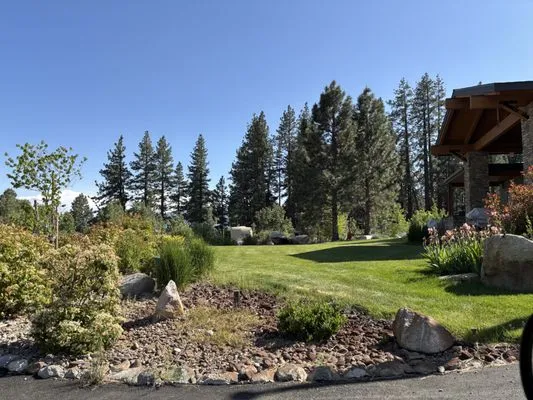
Silver State Landscaping is a Reno-based company specializing in landscaping, fence and gate services, and refinishing. We help homeowners and businesses maintain beautiful outdoor spaces with service...
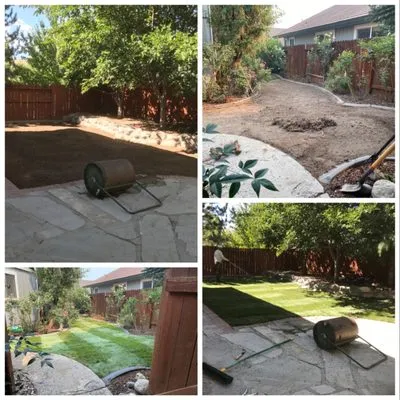
EcoGreen Lawn Care is a locally owned and operated lawn service in Reno, NV, dedicated to creating and maintaining healthy, resilient landscapes suited for our high-desert climate. We understand that ...
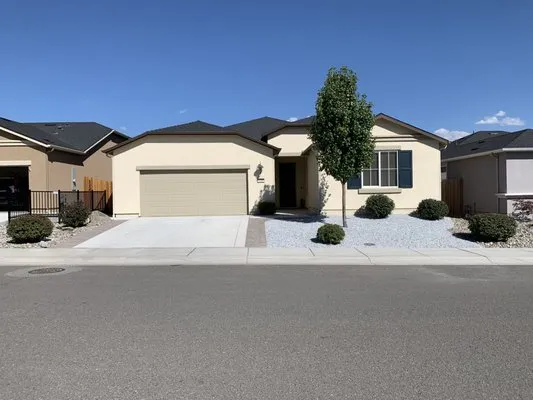
Battle Born Landscaping is a locally owned and operated full-service landscape company proudly serving Carson City, Minden, Gardnerville, Dayton, Reno, and Sparks. We provide a comprehensive range of ...
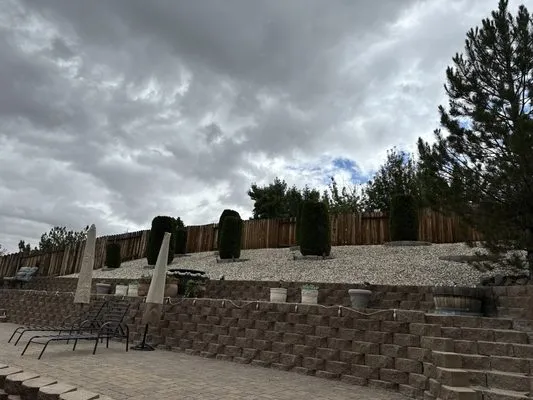
I'm Jared, the owner of Jared's Junk & Hauling Services. Tired of the grind of living paycheck to paycheck, I decided to build something for myself and my family here in Sparks. That's how this family...
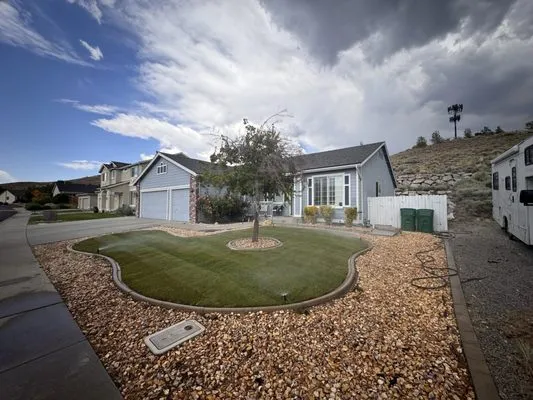
The Garden of Eden in Sparks, NV is a full-service landscaping and irrigation company dedicated to transforming outdoor spaces with practical, lasting solutions. We specialize in comprehensive landsca...
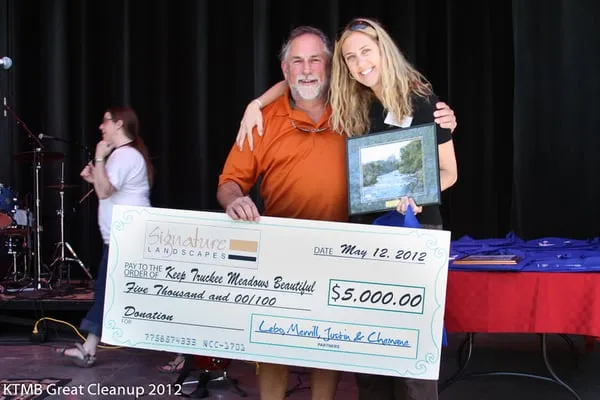
Signature Landscapes
Signature Landscapes is a full-service landscaping company serving Reno and Northern Nevada with over 31 years of combined experience. Led by residential manager Tim Scott, who holds a Nevada principa...
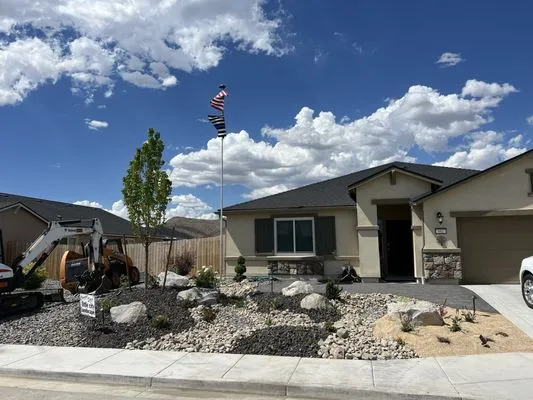
Since 1981, Little City Landscape has been a trusted name in Reno, NV, evolving from a simple maintenance operation into a full-service landscape design and construction company. Founder Kirk, a certi...
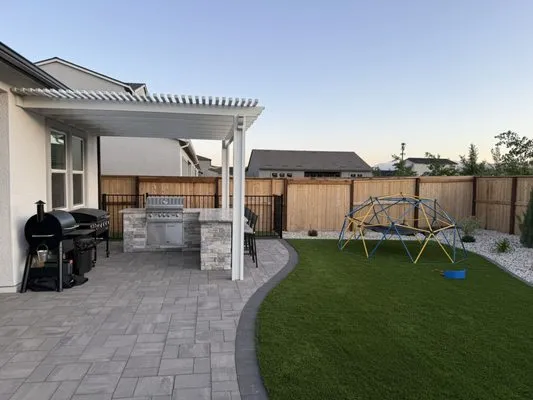
Jefes Landscaping is a Reno-based company specializing in comprehensive outdoor transformations. We combine landscaping, hardscaping, and masonry services—from detailed 3D design to final construction...
Estimated Landscaping Service Costs in Johnson Lane, NV
Questions and Answers
What permits and qualifications are needed for regrading my half-acre lot?
Any significant grading or earthwork on a 0.50-acre property in Douglas County requires a permit from Community Development to ensure proper drainage and erosion control. The contractor must hold specific licensing from the Nevada State Contractors Board for landscaping or excavation. This ensures they are bonded, insured, and knowledgeable about local codes, including fire-wise setbacks and stormwater management plans, protecting you from liability and substandard work.
Can I keep my Tall Fescue lawn healthy under Stage 1 water conservation rules?
Yes, using a smart Wi-Fi ET-based irrigation controller is essential. These systems adjust watering schedules daily based on real-time evapotranspiration data, applying water only when needed. For dwarf Tall Fescue in Zone 7a, this typically means deep, infrequent watering cycles that promote deeper root growth. This method can reduce water use by 20-30% while maintaining turf health, keeping you well within voluntary conservation guidelines.
Water pools on my property and leaves a white, chalky residue. What's the solution?
This is alkaline crusting from high runoff, a common issue with sandy loam soils in our area. The solution involves improving soil permeability and managing surface flow. We recommend replacing solid paving with permeable crushed granite or desert paving systems, which meet Douglas County runoff standards. Coupled with strategic grading and amended soil basins, this allows water to infiltrate, reducing pooling and dissolving the mineral deposits.
What invasive weeds should I watch for, and how do I treat them safely here?
Primary invasive alerts for Johnson Lane include puncturevine and Russian knapweed. Treatment requires careful timing to comply with local Best Management Practices for Nitrogen, which may restrict certain fertilizer-herbicide combinations during specific blackout periods. We use targeted, manual removal or approved organic pre-emergents where possible. Always consult current ordinances before application to protect local groundwater from nutrient leaching.
Is crushed granite a better choice than wood for patios and paths in this area?
For durability and fire safety, crushed granite or desert paving is superior. In our Extreme Fire Wise Zone 2, non-combustible hardscape materials are critical for creating defensible space. Unlike wood, which decays and requires treatment, compacted granite is permanent, permeable, and reflects the native aesthetic. It also mitigates heat island effect and requires no chemical sealants, aligning with long-term sustainability goals for high-risk zones.
How quickly can a crew respond for emergency storm cleanup to meet HOA deadlines?
For urgent compliance or post-storm cleanup, our dispatch routes from Johnson Lane Park via US-395 for direct access. Standard travel time to your lot is 25-35 minutes, factoring in peak traffic. We maintain an electric maintenance fleet to comply with local noise ordinances, allowing work to commence promptly at 7:00 AM. This scheduling ensures rapid debris removal and mitigates potential fines for overgrown vegetation or blocked sightlines.
Why does my soil seem so hard and crusty compared to older neighborhoods?
Most Johnson Lane Estates homes were built on native soil in 1996, giving you 30 years of soil development. This alkaline sandy loam naturally compacts under foot and vehicle traffic, forming a surface crust that impedes water percolation. The high pH of 8.1 further limits nutrient availability for turf and ornamentals. Annual core aeration and the incorporation of composted organic matter are critical to improve soil structure and biological activity for long-term landscape health.
What are my options for a lower-maintenance, quieter yard that still looks good?
Transitioning to a climate-adaptive xeriscape with regional natives like Desert Peach, Apache Plume, and Four-wing Saltbush is the most effective strategy. These plants require minimal water, no regular mowing, and little fertilization. This approach future-proofs your landscape against tightening water restrictions and upcoming gas-powered equipment bans related to noise ordinances. The result is a biodiverse, resilient landscape with year-round visual interest.
