Top Landscaping Services in Indian Hills, NV, 89423 | Compare & Call
There are 143 landscaping companies server in Indian Hills NV
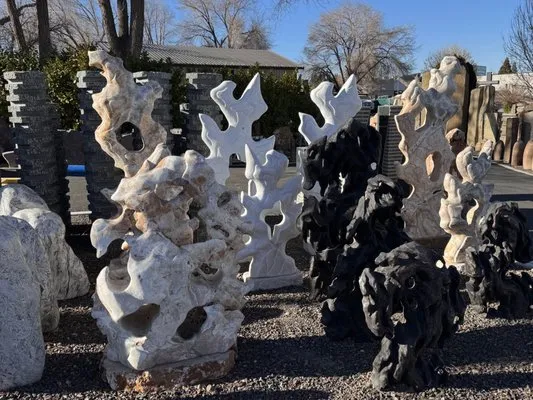
Creative Gardens
Creative Gardens is a fourth-generation, family-owned landscaping and design firm proudly serving Sparks, Nevada. Rooted in over 30 years of local experience, our expertise spans from artistic landsca...
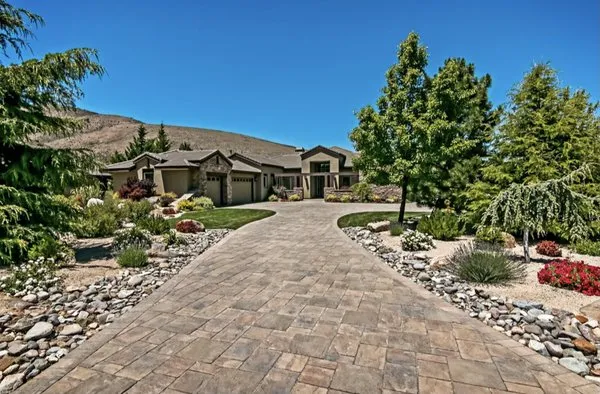
DRC Landscaping is a licensed, bonded, and insured landscaping company serving Sparks, NV, and the surrounding Northern Nevada area. Founded by owner-operator Daniel Clark, who brings over seven years...
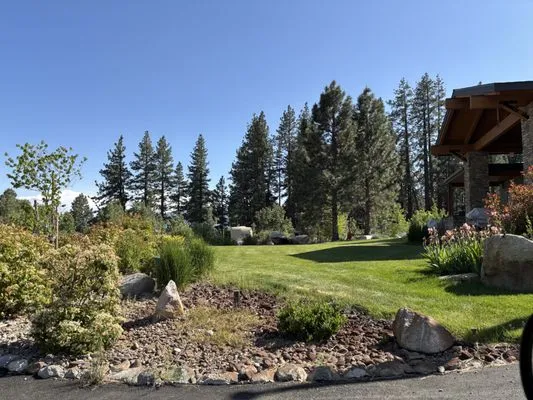
Silver State Landscaping is a Reno-based company specializing in landscaping, fence and gate services, and refinishing. We help homeowners and businesses maintain beautiful outdoor spaces with service...
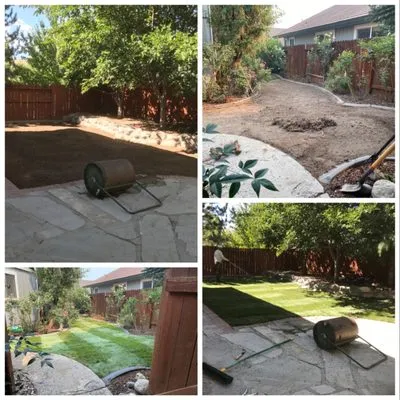
EcoGreen Lawn Care is a locally owned and operated lawn service in Reno, NV, dedicated to creating and maintaining healthy, resilient landscapes suited for our high-desert climate. We understand that ...
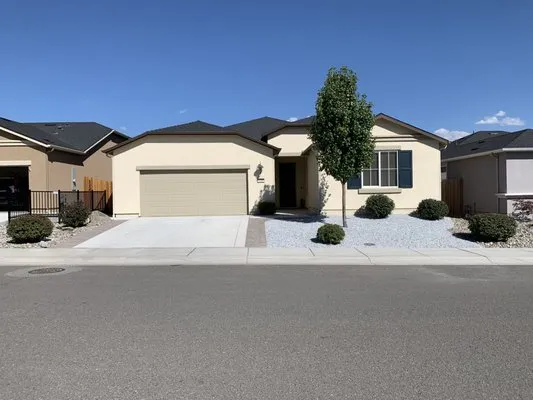
Battle Born Landscaping is a locally owned and operated full-service landscape company proudly serving Carson City, Minden, Gardnerville, Dayton, Reno, and Sparks. We provide a comprehensive range of ...
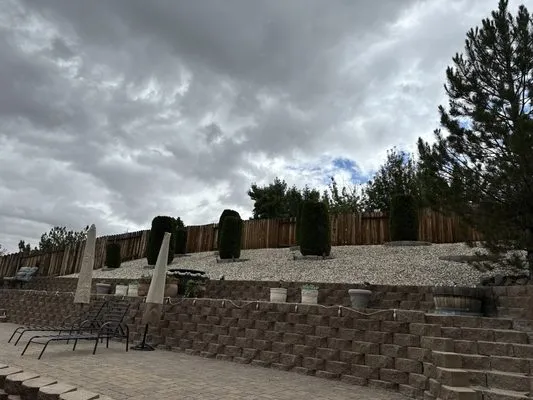
I'm Jared, the owner of Jared's Junk & Hauling Services. Tired of the grind of living paycheck to paycheck, I decided to build something for myself and my family here in Sparks. That's how this family...
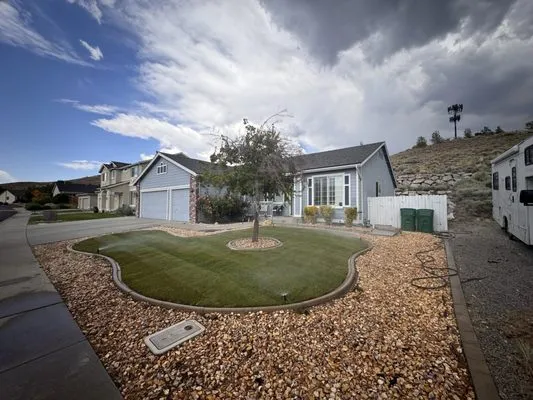
The Garden of Eden in Sparks, NV is a full-service landscaping and irrigation company dedicated to transforming outdoor spaces with practical, lasting solutions. We specialize in comprehensive landsca...
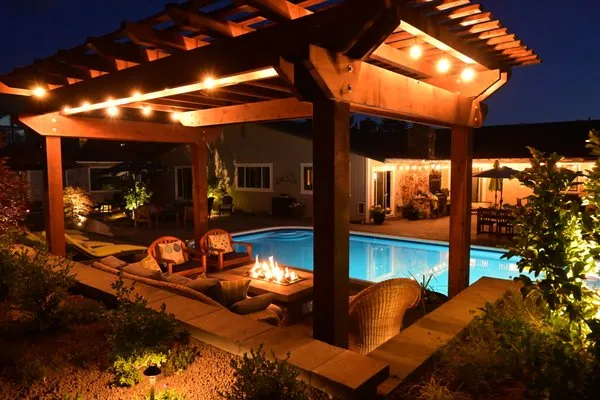
FireSky, originally founded as LandArt in 2016 by Ron DuHamel, is a Reno-based design-build landscape company dedicated to transforming outdoor spaces. With over 30 years of combined experience in Lan...
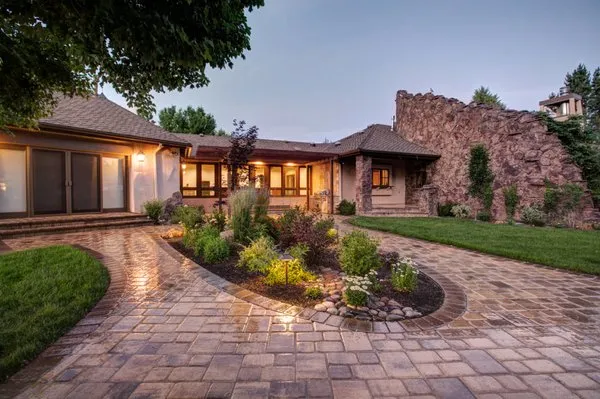
All Seasons Lawn & Landscaping
For over 21 years, All Seasons Lawn & Landscaping has been the trusted, fully licensed and insured landscaping contractor for Reno, Sparks, and Carson City homeowners. We specialize in transforming No...
As a local business deeply rooted in [City], our journey began with a simple goal: to provide [service] that genuinely meets the needs of our community. Over the years, we've built a reputation on rel...
Estimated Landscaping Service Costs in Indian Hills, NV
Questions and Answers
Can I maintain green turf during Stage 1 water restrictions?
Smart Wi-Fi ET-based controllers adjust irrigation schedules daily using local evapotranspiration data, reducing water use by 15-25% compared to traditional timers. These systems preserve Tall Fescue and Kentucky Bluegrass by delivering water only when soil moisture sensors indicate need. Programming follows municipal water budgets while preventing drought stress during Nevada's dry periods, keeping turf healthy within voluntary conservation guidelines.
Is crushed granite better than wood for patio materials in fire-prone areas?
Crushed granite provides superior fire resistance compared to wood decking, creating essential defensible space for WUI Zone 2 compliance. This inorganic material withstands ember exposure without combustion while maintaining permeability for water infiltration. Its longevity exceeds wood by decades with minimal maintenance, and proper installation meets fire-wise rating requirements through non-flammable surface continuity around structures.
What permits and licenses are needed for regrading my yard?
Grading work on 0.35-acre Indian Hills properties requires Douglas County Community Development permits for erosion control and drainage alterations. Contractors must hold Nevada State Contractors Board licensing for earthwork exceeding certain volumes, ensuring proper engineering for soil stability. Unlicensed grading risks substantial fines and may void property insurance in this high-fire-risk area, making professional verification essential before landscape modifications.
How do I control invasive weeds without violating fertilizer rules?
Early spring identification of invasive species like cheatgrass and Russian thistle allows targeted treatment before seed set. Mechanical removal combined with spot-applied organic herbicides avoids phosphorus application prohibited under local ordinance unless soil testing confirms deficiency. Timing interventions before mid-March mulching peak prevents weed establishment while maintaining soil health through integrated pest management practices.
Why does my Indian Hills lawn struggle despite regular watering?
Indian Hills properties built around 1993 have 33-year-old soil profiles with alkaline sandy loam at pH 8.1. This soil type naturally develops compaction layers that restrict root penetration and water infiltration. Core aeration every 2-3 years breaks up these layers while incorporating organic amendments like composted manure to gradually lower pH. Without this intervention, even Kentucky Bluegrass will exhibit drought stress symptoms due to poor soil structure.
What prevents runoff issues on my sloped property?
Alkaline sandy loam's high permeability paradoxically creates moderate runoff during heavy precipitation when surface compaction occurs. Installing permeable crushed granite pathways and patios increases infiltration rates while meeting Douglas County Community Development runoff standards. These hardscape solutions redirect water flow without creating erosion channels, particularly effective on 0.35-acre lots with elevation changes common in Indian Hills.
How quickly can you respond to an HOA violation notice for overgrown vegetation?
Emergency cleanup crews dispatch from James Lee Park via US-395, reaching most Indian Hills addresses within 20-30 minutes during peak hours. This routing avoids residential congestion while maintaining compliance with standard noise ordinances. For urgent HOA compliance issues, we prioritize same-day service with electric equipment to minimize neighborhood disruption while addressing vegetation height violations.
Should I replace my high-maintenance lawn with native plants?
Transitioning to Desert Peach, Indian Ricegrass, Curl-leaf Mountain Mahogany, and Apache Plume reduces water requirements by 60-80% while providing year-round habitat value. This xeriscaping approach minimizes maintenance needs ahead of potential gas-blower restrictions, using electric trimmers for occasional upkeep. Native plant communities also support 2026 biodiversity standards through pollinator resources and soil stabilization without chemical inputs.
