Top Landscaping Services in Zuni Pueblo, NM, 87327 | Compare & Call
There are 129 landscaping companies server in Zuni Pueblo NM
Duarte's Yard Service is a trusted lawn care provider serving Los Lunas, NM, dedicated to helping homeowners maintain healthy, vibrant lawns despite the area's common landscaping challenges. Many loca...
Chick Saiz Professional Services is a family-owned landscaping company serving Albuquerque, NM, with comprehensive outdoor solutions. Founded in 2018 by husband-and-wife team Cameron Chick, SR. and Ci...
Solis Lawn Care is a trusted, local provider in Albuquerque, dedicated to keeping your property healthy and beautiful. We handle everything from routine lawn maintenance to complex tree services, incl...
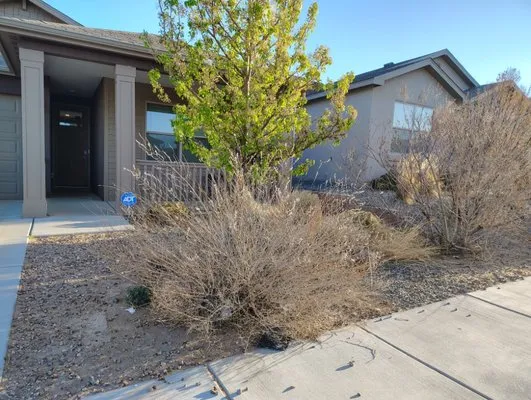
Old School Yard Services brings a traditional, reliable approach to junk removal and lawn care in Albuquerque. We focus on hard work, dedication, and perseverance to handle everything from appliance a...

Crawford Property Renewal is your trusted local partner in Sandia Park, NM, specializing in comprehensive lawn services, tree care, and junk removal. We help homeowners tackle common landscaping chall...

Total Outdoor Solutions is your trusted local partner in Willard, NM, for keeping your property clean and well-maintained. We specialize in both junk removal and hauling, as well as comprehensive lawn...
RJ Pressure Washing and Landscaping is a locally owned and operated business serving Albuquerque and Rio Rancho, New Mexico. We specialize in pressure washing and landscaping services designed to help...

Get'er Done in Albuquerque, NM is your local handyman and landscaping solution, owned and operated by Aidan. We provide friendly, reliable service for a wide range of home and yard tasks, from furnitu...
505 Lawn Care & Landscaping is a family-owned and operated business proudly serving Los Lunas and the surrounding communities. We believe a healthy, well-maintained lawn is the foundation of a beautif...
Estimated Landscaping Service Costs in Zuni Pueblo, NM
Q&A
Our yard washes out during heavy rains. What's a durable solution that also looks good?
High erosion susceptibility in sandy loam soils requires managing surface runoff velocity. Installing permeable patios and pathways using local sandstone flagstone creates a stable, attractive hardscape that allows water infiltration. This technique, combined with strategically placed gravel channels and native plant berms, meets Zuni Pueblo Planning and Development Department standards for onsite water management. The goal is to slow water flow, capture sediment, and mimic natural drainage patterns to mitigate flash flood damage.
Our home was built around the same time as others here in the Main Village. Why is our soil so compact and what's the best long-term fix?
Homes built around 1978, like many in the Zuni Pueblo Main Village, have soils that have matured for nearly 50 years without significant intervention. The native alkaline sandy loam naturally compacts over decades, reducing percolation and root penetration. Core aeration is critical to fracture this hardpan, followed by amending with high-quality compost to build stable organic matter. This process directly addresses the inherent low permeability and high pH (around 8.1) to create a more hospitable rhizosphere.
What invasive weeds should we watch for, and how do we control them organically?
Primary invasive alerts in this area include Russian Knapweed and Cheatgrass. Control requires a methodical, organic approach compliant with tribal watershed mandates. Manual removal prior to seed set is most effective, while targeted horticultural vinegar applications can manage seedlings. Crucially, these treatments must be timed outside of any local organic ordinance blackout dates, which typically protect pollinators and water quality during specific seasonal windows. Building robust native plant cover is the best long-term defense.
Do we need a permit to regrade our 0.35-acre lot, and what kind of contractor is required?
Yes, significant grading on a 0.35-acre lot typically requires a permit from the Zuni Pueblo Planning and Development Department to ensure proper erosion and sediment control. The work must be performed by a contractor licensed through the New Mexico Construction Industries Division, specifically holding a classification for earthwork or landscaping. This licensing ensures adherence to state codes regarding slope stability, drainage conveyance, and protection of adjacent properties, which is critical given the site's flash flood susceptibility.
With Stage 1 water conservation in effect, how do we keep our Buffalograss healthy without wasting water?
Stage 1 voluntary conservation is effectively managed using drip irrigation zones paired with soil moisture sensors. This technology applies water directly to the root zone of Buffalograss, which is deeply drought-tolerant, based on real-time evapotranspiration (ET) data. The system automatically bypasses cycles after rain, preventing overwatering and keeping usage well within municipal guidelines. This method supports turf health while conserving a significant volume compared to traditional sprinkler systems.
If a storm causes major debris, how quickly can a crew get here for an emergency cleanup?
For emergency cleanup to address flash flood debris or wind damage, our standard peak storm response is 45 to 60 minutes. The dispatch route originates from our central staging area near the A:shiwi A:wan Museum, proceeding directly onto NM-53 for efficient access to the Main Village. This protocol is designed for rapid HOA compliance and hazard mitigation, prioritizing crew and community safety during severe weather events.
Is local sandstone a better choice than wood for a new patio, considering fire safety?
Local sandstone flagstone is superior to wood for longevity and fire mitigation in our Moderate Wildland-Urban Interface (WUI) rating. As a non-combustible material, it contributes to the required defensible space around structures without degrading. Sandstone's thermal mass also moderates ground temperature extremes. While wood requires constant sealing and poses a fuel hazard, sandstone offers permanent durability with minimal upkeep, making it a prudent investment for both safety and landscape infrastructure.
We want to reduce mowing and gas equipment noise. What are the best native plants to use?
Transitioning to a xeriscape with regionally adapted natives like Four-wing Saltbush, Apache Plume, Indian Ricegrass, and Blue Grama significantly reduces maintenance. These plants require no weekly mowing, minimal watering once established, and eliminate the need for gas-powered blowers, aligning with evolving noise ordinance trends. This planting strategy builds biodiversity, provides habitat, and creates a resilient landscape that thrives in Zone 6b with alkaline soils, far ahead of regulatory curves.
