Top Landscaping Services in Skyline Ganipa, NM, 87007 | Compare & Call

There are 123 landscaping companies server in Skyline Ganipa NM
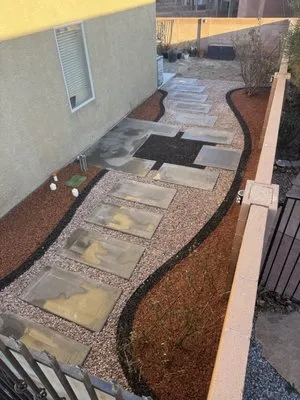
2Green Landscapes is a full-service design-build landscaping company serving Albuquerque, NM, and surrounding areas. We specialize in transforming outdoor spaces with comprehensive architectural, land...
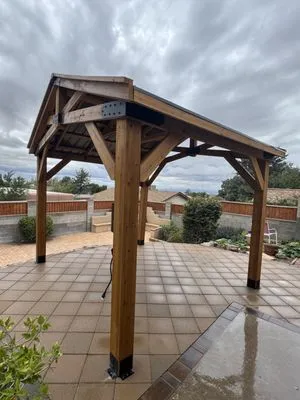
AZR Landscape & Construction is a full-service Albuquerque company specializing in masonry, concrete, landscaping, and irrigation. We help homeowners and businesses transform their outdoor spaces with...
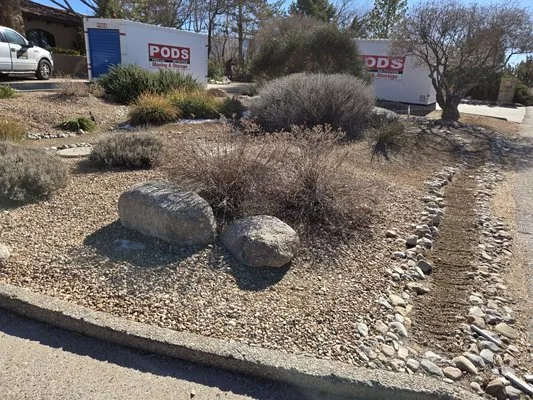
HL Services is a family-owned and locally operated landscaping company that has been proudly serving Rio Rancho, NM, and the surrounding communities since 1980. Specializing in both residential and co...
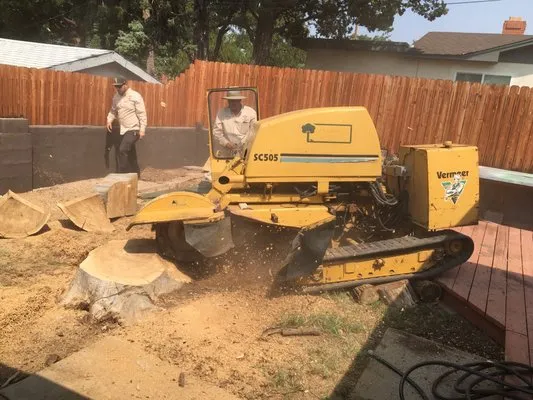
Blossom Trees is a licensed tree service company serving Albuquerque, NM, with over 30 years of local experience. Founded by Carlos, who began his arborist career in 1986, the business specializes in ...
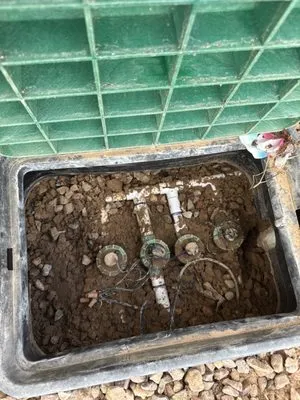
Alberto's Landscaping is a trusted local provider serving Albuquerque, NM, with comprehensive tree services, landscaping, and masonry/concrete solutions. We specialize in addressing common local lands...
El Chavo Services is a trusted, locally-owned handyman and landscaping company in Albuquerque. We're your neighbor for getting things done, offering a comprehensive range of services from appliance an...

N&N Junk Removal is a family-owned and operated business serving Albuquerque, NM, founded by Ignacio and his brothers. We're a hard-working, local team focused on providing punctual and respectful ser...
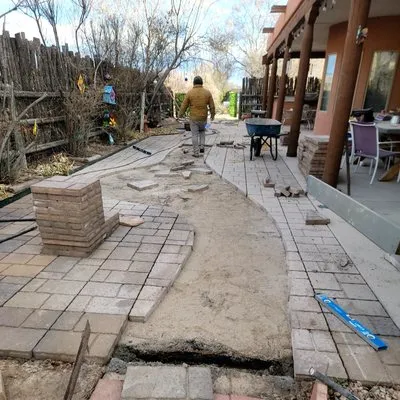
Highgrade New Mexico Landscaping is a full-service outdoor contractor serving Albuquerque and the surrounding areas. We specialize in creating and maintaining beautiful, functional landscapes tailored...
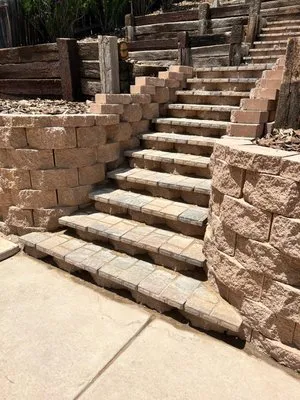
The Sprinkler Experts are a licensed irrigation and landscaping company serving Albuquerque, NM. We specialize in designing, installing, and maintaining efficient sprinkler systems tailored to our des...
Roadrunner Yard Clean-up And Maintenance Services
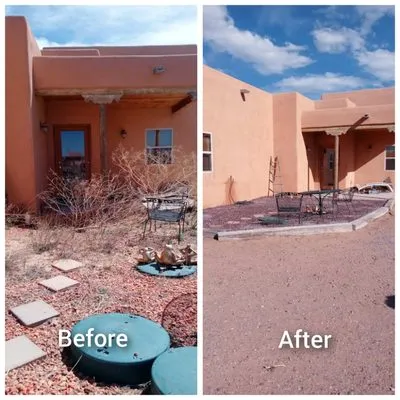
Roadrunner Yard Clean-up And Maintenance Services is a locally-owned landscaping team serving Albuquerque. Founded by Martin, a knowledgeable field technician, the company brings together a crew of ve...
Estimated Landscaping Service Costs in Skyline Ganipa, NM
FAQs
A windstorm damaged several trees. How quickly can a crew respond for an emergency cleanup?
For emergency HOA compliance or safety issues, our dispatch prioritizes Vista del Sol. A crew would route from the Ganipa Civic Plaza onto NM-53, arriving within the 25-35 minute window during peak hours. We maintain an electric-preferred fleet for residential zones, ensuring compliance with local noise ordinances while performing the work.
Water runs off my sloped yard, causing erosion. What's a long-term solution?
Slope instability in alkaline sandy loam is common; the soil's surface can crust, preventing absorption. Installing permeable crushed basalt pathways and dry creek beds increases surface area for water to infiltrate. This approach manages runoff on-site, meeting Skyline Ganipa Planning & Zoning Department standards for erosion control and reducing gully formation.
Do I need a permit to regrade my backyard for better drainage?
Yes, significant grading on a 0.35-acre lot typically requires a permit from the Skyline Ganipa Planning & Zoning Department. The work must be performed by a contractor licensed by the New Mexico Construction Industries Division, as it involves altering drainage patterns and soil stability, which are regulated for public safety and watershed protection.
My lawn looks thin and drains poorly. Could this be related to the age of the neighborhood?
Homes built around 1978, like many in Vista del Sol, have soil profiles nearly 50 years old. In Skyline Ganipa, this alkaline sandy loam has become heavily compacted, severely reducing percolation rates. Core aeration is critical to break up this layer and allow water infiltration. Incorporating organic compost can also help buffer the high pH and improve moisture retention for healthier turf.
How can I keep my Buffalograss alive with only two watering days per week?
Under Stage 2 restrictions, an ET-based smart irrigation controller is essential. It schedules watering only when evapotranspiration data indicates plant stress, applying water deeply to encourage drought-tolerant root systems in Buffalograss. This technology maximizes efficiency, often keeping turf health within municipal water budgets without manual adjustment.
Is crushed basalt a better choice than wood decking for a patio here?
Permeable crushed basalt is superior for longevity and fire safety. Unlike wood, it won't decay or require chemical treatments, and it provides a non-combustible surface crucial for WUI Zone 2 defensible space compliance. Its natural drainage also complements the local soil, preventing water pooling and reducing erosion on sloped lots.
I see invasive weeds. How do I treat them without using restricted fertilizers?
For invasive species like puncturevine, manual removal or targeted organic herbicides are first steps. The local year-round phosphorus restriction means synthetic weed-and-feed products are non-compliant. Building soil health with mycorrhizae inoculants can help desired plants outcompete weeds, creating a more resilient system without violating fertilizer ordinances.
I want to reduce mowing and gas-powered noise. What are my options?
Transitioning to a xeriscape with natives like Apache Plume, Desert Willow, and Blue Grama eliminates frequent mowing. These plants thrive in Zone 7a with minimal water once established, aligning with future electric equipment mandates. This shift creates a fire-resilient, biodiverse landscape that requires less maintenance and no gas-powered blowers.
