Top Landscaping Services in Navajo, NM, 87328 | Compare & Call
There are 177 landscaping companies server in Navajo NM
DZ Tree is a locally owned and fully insured tree service, landscaping, and junk removal company serving Los Alamos and Northern New Mexico. We specialize in comprehensive property care, from routine ...
Based in Albuquerque, JB’s Painting & Landscape is a trusted local team dedicated to enhancing both the interior and exterior of your home. We provide comprehensive residential painting services, from...
Elite Landscape & Construction is a trusted Santa Fe, NM-based company specializing in comprehensive landscaping and general contracting services. We help local homeowners address common issues like y...
AccessAbility Design & Construction
AccessAbility Design & Construction in Rio Rancho, NM, is a full-service landscaping company founded in 2016 by Steve Schrider, who brings over 12 years of industry experience. The company specializes...
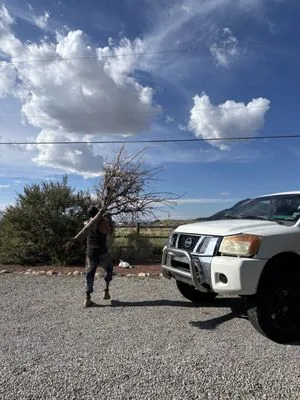
Gene Scape Lawn & Landscaping is a locally owned and operated business in Albuquerque, NM, dedicated to transforming outdoor spaces with practical, reliable services. We handle everything from routine...
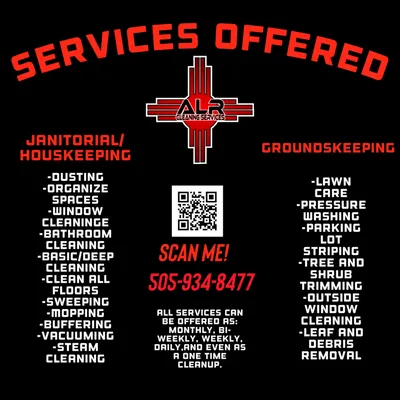
Alr Cleaning Services
ALR Cleaning Services is a trusted local provider in Albuquerque, NM, offering tailored cleaning solutions for both homes and businesses. Our skilled team delivers a comprehensive range of services, i...
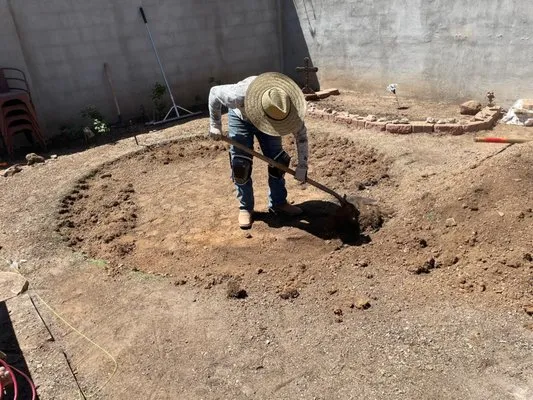
J&R Landscaping Service
J&R Landscaping Service in Santa Fe, NM, is a locally owned and operated business specializing in irrigation, landscape architecture, and lawn services. Our team brings years of experience to every pr...
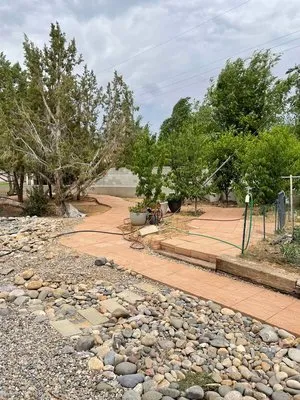
T & R Tree Service And Landscaping is a family-owned business in Farmington, NM, with years of experience helping local homeowners transform their outdoor spaces. We specialize in comprehensive tree s...
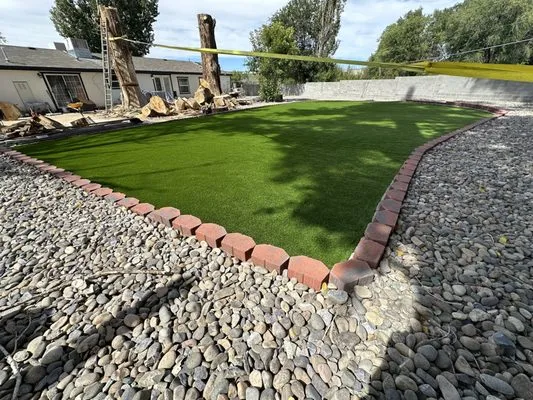
Let’s Go Landscaping
Let's Go Landscaping is your full-service partner for outdoor care in Fruitland, NM. We help local homeowners combat common issues like dry, dusty mulch and soil erosion by providing expert landscape ...
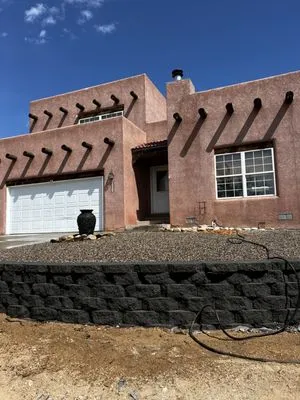
Clear Creek Landscape
Clear Creek Landscape is a trusted Farmington landscaping company with over a decade of experience transforming local outdoor spaces. We specialize in comprehensive landscape solutions, from initial d...
Estimated Landscaping Service Costs in Navajo, NM
Question Answers
Our yard floods during summer monsoons. What's the best solution?
Flash flooding is a significant hazard in areas with Alkaline Sandy Loam, as its initially poor permeability leads to rapid runoff. Installing permeable hardscapes, such as pathways of decomposed granite or crushed red sandstone, increases ground infiltration. These materials meet Navajo Nation Division of Community Development runoff standards by managing sheet flow. Coupling this with swales or basin plantings can effectively redirect water and control high erosion risk.
What's the best material for a durable, fire-resistant patio?
For longevity and fire safety in High WUI Zone 2, inorganic materials are superior. Crushed red sandstone or decomposed granite offers excellent durability and permeability, unlike wood which degrades and fuels fire. These materials maintain defensible space by not combusting and can be stabilized with organic binders. They also integrate aesthetically with the local landscape while meeting critical Firewise standards for property protection.
How quickly can you respond for an emergency cleanup after a storm?
For urgent HOA compliance or post-storm debris removal, our dispatch from the Navajo Chapter House allows for a regional service response. Traveling via NM-264, we estimate a 60 to 90-minute arrival window for most properties in the community. We prioritize these calls to mitigate safety hazards and coordinate with local chapter officials to ensure timely access.
Why does the soil in our area seem so hard and dry compared to other places?
Properties built around 1979, like many in the Navajo Tribal Community Center Area, have soils that have matured for nearly 50 years. Alkaline Sandy Loam with a pH of 8.1 is common here; its fine particles compact over decades of wind and minimal organic input. This compaction reduces permeability and root penetration. Core aeration in early spring, followed by amendments like compost, is critical to rebuild soil structure and support healthy plantings.
Do we need a permit to regrade our half-acre lot?
Yes. Any significant earthmoving or grading on a 0.50-acre lot requires review by the Navajo Nation Division of Community Development to ensure compliance with erosion control and drainage plans. Furthermore, contractors performing this work must hold appropriate licensing from the Navajo Nation Business Regulatory Department. This ensures they understand local codes, particularly for managing the high erosion risk and protecting downstream properties from altered runoff patterns.
How can we keep our lawn alive during water restrictions?
Under Stage 1 voluntary conservation, efficient water use is paramount. Drip irrigation paired with soil moisture sensors directly targets root zones of drought-tolerant turf like Buffalograss, applying water only when needed. This ET-based system can reduce usage by up to 50% compared to traditional sprinklers. It preserves turf health while strictly adhering to municipal water budgets, making conservation both effective and mandatory.
What should we do about invasive weeds without using harsh chemicals?
Common invasive alerts in Zone 6b include Russian knapweed and cheatgrass, which thrive in disturbed, alkaline soils. Treatment must comply with the organic-only, nitrogen-limited fertilizer ordinance. Manual removal before seed set is primary. For persistent issues, targeted organic herbicides like iron-based products or horticultural vinegar can be applied, strictly avoiding any synthetic nitrogen sources. Always time applications outside of seasonal blackout dates to protect soil biology.
Is there a quieter, more sustainable alternative to constant lawn mowing?
Transitioning to a native xeriscape reduces reliance on gas-powered maintenance, aligning with noise abatement ordinances and electric fleet trends. Replace high-input turf with deep-rooted natives like Four-wing Saltbush, Apache Plume, and Indian Ricegrass. These plants require no mowing, minimal water, and provide superior habitat. This approach future-proofs your landscape against tightening regulations and enhances local biodiversity.
