Top Landscaping Services in Grants, NM, 87020 | Compare & Call
There are 216 landscaping companies server in Grants NM
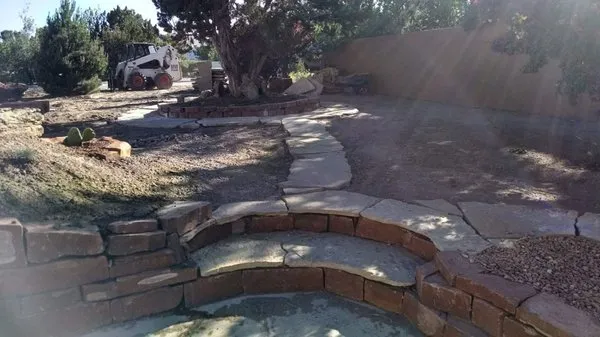
Terra Stone Scapes LLC in Gallina, NM, is a locally owned business that started by harvesting and distributing stone products, then expanded into designing and installing residential and commercial la...
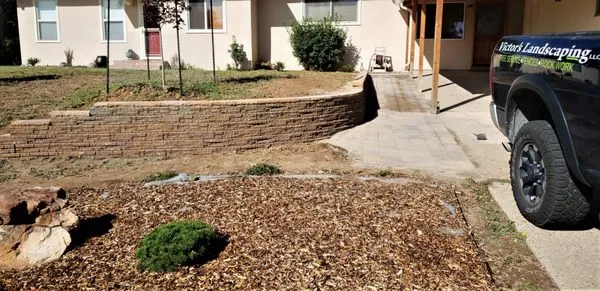
Victors Lawns is a family-owned landscaping business serving Los Alamos, White Rock, and surrounding areas since 2007. With decades of combined experience, Victor and his team provide comprehensive se...
Darkwolf Landscaping is a trusted local landscaping company serving Albuquerque, NM, dedicated to creating and maintaining beautiful, sustainable outdoor spaces in our desert climate. We specialize in...
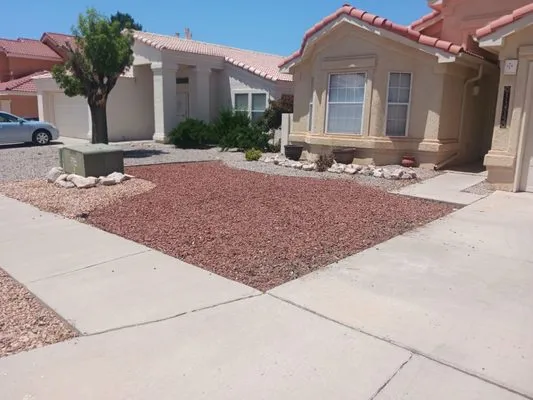
At 2 Neighbors Work, we bring years of hands-on experience to every landscaping project in Albuquerque, understanding that each home and property is unique. We offer a comprehensive range of services,...
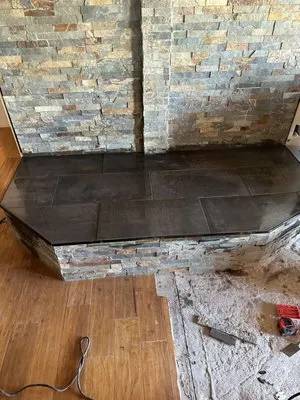
J Fix It J Can is a trusted, full-service handyman and contracting company serving Albuquerque, NM. We specialize in tackling the common home maintenance and landscaping challenges unique to our area,...
Farons Landscaping & Yard Cleaning is a dedicated local company serving Albuquerque homes and businesses. We understand the unique challenges of maintaining a beautiful landscape in our high-desert cl...
Estimated Landscaping Service Costs in Grants, NM
Common Questions
What invasive plant species should we watch for in Grants, and how do we manage them responsibly?
In this region, Saltcedar (Tamarisk) and Russian knapweed are high-priority invasive species that threaten local ecosystems. Management requires a targeted approach, often combining mechanical removal with careful, professional-grade herbicide application during specific growth phases. Any treatment plan must strictly adhere to New Mexico's state-regulated nutrient and pesticide management guidelines, observing all application blackout dates and environmental precautions to protect soil and groundwater health.
Our yard's soil seems hard and dusty. Is this typical for homes built around 1975 in Downtown Grants, and what can we do about it?
Yes, that is a common profile for soils in this neighborhood. Homes constructed around 1975 have soils that are now over 50 years old, having developed under decades of minimal organic input and alkaline irrigation water. The resulting alkaline sandy loam becomes compacted and hydrophobic, losing its natural permeability. Core aeration followed by amending with well-composted organic matter is the primary corrective action. This process reintroduces air and water pathways while slowly adjusting the soil biology to better support plant roots.
We want to reduce mowing and gas-powered equipment use. What are good native plant alternatives for traditional lawn areas?
Transitioning to a landscape anchored by natives like Apache Plume, Desert Willow, Four-Wing Saltbush, and Indian Ricegrass significantly reduces maintenance inputs. These plants are adapted to the local climate and soil, requiring no weekly mowing and minimal, if any, supplemental irrigation once established. This shift not only conserves water but also aligns with evolving municipal noise ordinances that increasingly restrict gas-powered blowers and mowers, favoring quieter, electric maintenance fleets.
If a major storm causes flash flooding and debris on our property, how quickly can a professional crew typically respond?
For emergency storm response in the Grants area, a standard dispatch from a central location like City Hall allows crews to reach most Downtown properties within 15 to 20 minutes during peak conditions, using I-40 for efficient routing. The priority is to secure the site from immediate hazards like downed limbs or erosion channels. This rapid response window is critical for mitigating further property damage and begins the process of documentation often required for insurance claims.
With Stage 1 water conservation in effect, how can we keep our Buffalograss healthy without wasting water?
An Evapotranspiration (ET) smart controller is the precise tool for this task. It automatically adjusts watering schedules based on local weather data, applying water only when the soil moisture deficit reaches a threshold specific to your turfgrass. For Buffalograss or Blue Grama, this means infrequent but deep watering cycles that encourage drought-tolerant root systems. This technology is the most effective way to maintain turf health while adhering to voluntary conservation measures and preparing for potential stricter future limits.
We get rapid runoff during heavy rains. What's the best way to improve drainage on our property with alkaline sandy loam soil?
Flash flooding on arid, compacted soils requires a strategy that increases infiltration and slows overland flow. Replacing impervious surfaces with permeable pavements made of open-graded crushed basalt or sandstone allows water to percolate directly into the ground. Integrating shallow, vegetated swales lined with native grasses can further capture and filter runoff. These solutions often align with the City of Grants Planning and Zoning Department's standards for managing on-site stormwater and reducing erosion.
Do we need a permit to regrade our backyard, and what kind of contractor should we hire?
Significant grading work on a 0.22-acre lot typically requires review by the City of Grants Planning and Zoning Department to ensure compliance with drainage and erosion control ordinances. It is crucial to hire a contractor licensed by the New Mexico Construction Industries Division (CID) for earthwork. This licensing ensures the professional has met the state's standards for competency and carries the required insurance, protecting you from liability for improper work that could cause downstream flooding or structural issues.
Is crushed basalt a durable and safe choice for patios and pathways in our fire-prone area?
Crushed basalt or sandstone is an excellent hardscape material for durability and fire-wise landscaping. Unlike wood decking or mulch, these inorganic materials do not combust, creating a permanent defensible space immediately around structures. Their longevity and permeability also contribute to long-term value and proper site drainage. In areas with a Moderate Fire Wise rating and high Wildland-Urban Interface (WUI) risk, such materials are a recommended component of a resilient landscape design.
