Top Landscaping Services in Dulce, NM, 87528 | Compare & Call
There are 14 landscaping companies server in Dulce NM
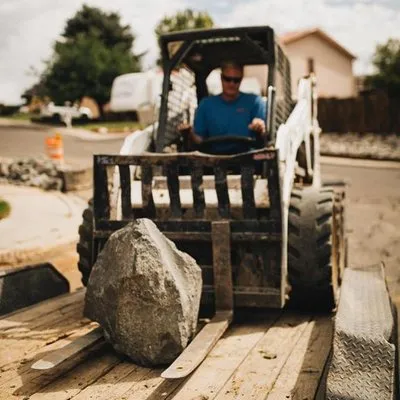
AMF is a locally owned and operated home services company in Farmington, NM, founded by members of long-standing local families—Aikele, McGee, and Fishburn. What began as a community cleanup effort ha...
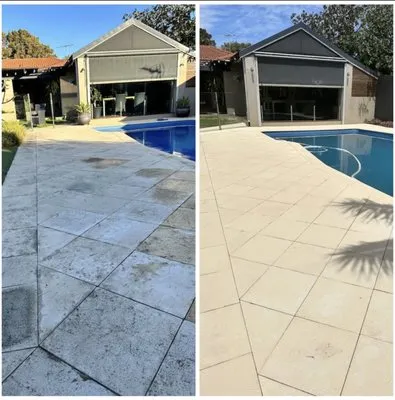
Sapo Landscaping is your trusted, full-service solution for outdoor property care in Pecos, NM. We specialize in transforming and maintaining landscapes that can thrive in the local climate, directly ...
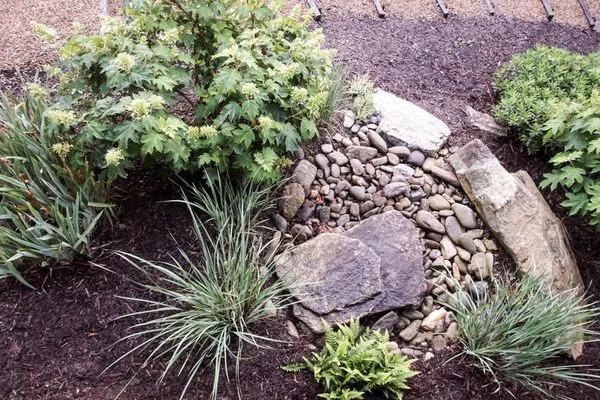
2B Handyman is a trusted, full-service handyman company serving Española, NM, and surrounding areas. We specialize in handyman services, stucco work, and comprehensive landscaping solutions to keep yo...

Connors Yardscaping is a locally-owned business in Española, NM, founded by Connor. As a young entrepreneur and new father, Connor brings a deeply personal commitment to every job, driven by a desire ...
Estimated Landscaping Service Costs in Dulce, NM
Question Answers
Should I replace traditional lawn areas with native plants?
Transitioning from high-maintenance turf to Rocky Mountain Penstemon, Apache Plume, Four-wing Saltbush, and Indian Ricegrass reduces water needs by 70-80%. These natives require no gas-powered blowers for cleanup, aligning with future noise ordinance trends toward electric equipment. Established native plantings also support local pollinators while meeting WUI Zone 2 defensible space requirements through natural fire resistance.
Is local sandstone better than wood for Dulce patios and walkways?
Local sandstone flagging outperforms wood in longevity and fire safety. Sandstone requires no chemical treatments, withstands freeze-thaw cycles, and maintains structural integrity for decades. For Extreme fire-wise rated areas, sandstone provides non-combustible defensible space zones when installed with proper clearances. Its natural thermal mass moderates temperature extremes while complementing the region's geological character without importing materials.
What prevents erosion on sloped properties during monsoon season?
Alkaline sandy loam has high erosion risk during intense rainfall. Permeable local sandstone flagging creates stable surfaces that allow water infiltration rather than runoff. French drains lined with gravel redirect subsurface flow while native groundcovers stabilize soil between hardscape elements. These solutions meet Jicarilla Apache Nation Planning & Development Department runoff standards by managing water on-site rather than directing it to neighboring properties.
How quickly can you respond to emergency storm damage on my property?
Emergency cleanup crews dispatch from the Jicarilla Apache Nation Tribal Complex via US-64, arriving within 45-60 minutes during peak storm conditions. We maintain electric-powered equipment to comply with standard noise ordinances while providing immediate debris removal. HOA compliance issues receive same-day assessment with documentation for insurance claims and tribal planning department requirements.
What permits and licenses are needed for grading my half-acre lot?
Grading work on 0.50-acre lots requires Jicarilla Apache Nation Planning & Development Department permits for soil disturbance exceeding 100 square feet. Contractors must hold New Mexico Construction Industries Division licensing for earthwork operations, ensuring proper erosion control during monsoon season. Professional licensing verifies training in slope stabilization techniques specific to alkaline sandy loam soils, preventing downstream sedimentation that violates tribal environmental standards.
Why does my Dulce Townsite lawn struggle despite regular watering?
Properties in Dulce Townsite built around 1989 have 37-year-old soil profiles. Alkaline sandy loam with pH 7.9 naturally compacts over decades, reducing permeability and root penetration. Core aeration every 2-3 years introduces oxygen channels while incorporating composted organic matter counteracts alkalinity. This dual approach improves water retention in sandy soils while making nutrients more available to plants.
How do I control invasive species without harming my landscape?
Russian knapweed and cheatgrass pose significant threats in USDA Zone 5b. Manual removal before seed set combined with targeted spot treatments avoids blanket herbicide application. Timing is critical—treatments must occur outside winter months to comply with nitrogen application blackout dates. Soil testing determines specific nutrient deficiencies rather than guesswork fertilization, preventing further invasive species advantage through balanced soil chemistry.
Can I maintain healthy grass while following Stage 1 water conservation?
Smart ET-based controllers with soil moisture sensors optimize irrigation for Dulce's climate. These systems calculate evapotranspiration rates daily, adjusting watering to match actual plant needs rather than fixed schedules. For Kentucky Bluegrass or Crested Wheatgrass, this typically reduces water use 30-40% while maintaining turf health. Soil sensors prevent overwatering during monsoon periods when natural precipitation meets plant requirements.
