Top Landscaping Services in Church Rock, NM, 87311 | Compare & Call

There are 6 landscaping companies server in Church Rock NM
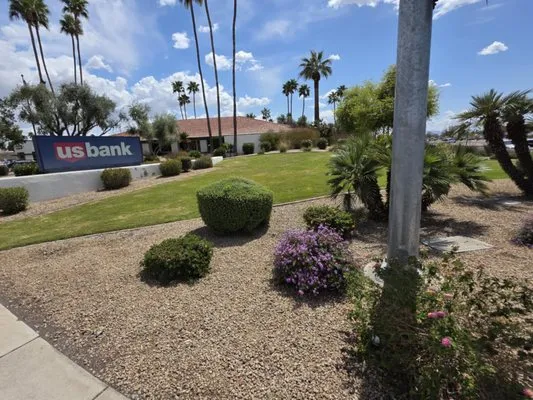
P&P Landscaping is a full-service outdoor specialist serving Gallup, NM, and the surrounding area. We understand the unique challenges of the local climate, where high desert conditions can quickly dr...
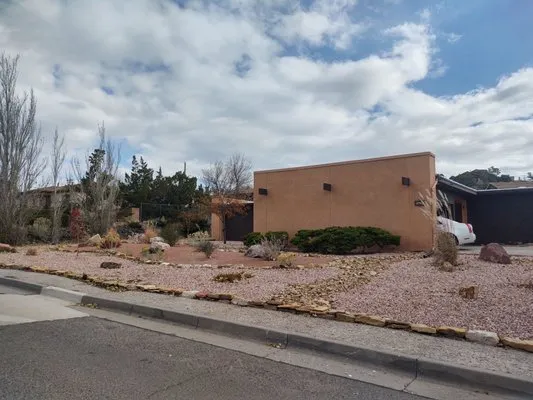
Aztec Yard Work & Maintenance is a trusted local landscaping company serving Gallup, NM. We understand the unique challenges homeowners face in our high-desert climate, including stubborn dead lawn pa...

LuxLand in Gallup, NM, is your local partner for landscaping, handyman, and irrigation projects. Founded on the principle of quality and personalized service, we treat every client like family, tailor...
Martins Wood Services is a trusted tree care and landscaping provider serving Grants, NM, and the surrounding areas. With expertise in forestry, landscaping, and land clearing, we handle everything fr...
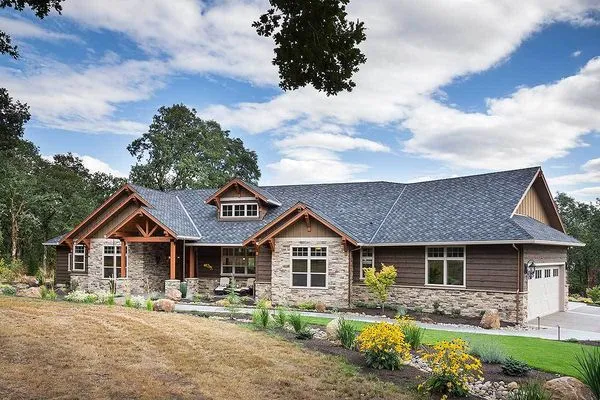
SB Builders is a trusted general contractor serving Gallup, NM, and the surrounding areas. We specialize in a comprehensive range of construction and remodeling services, from kitchen and bathroom ren...
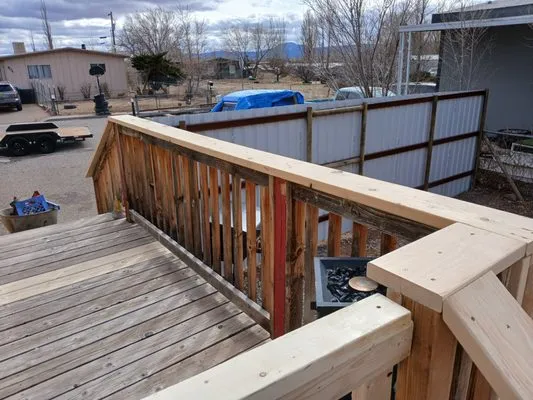
Lopez Landscaping and Wood Services is a trusted, family-owned business serving San Mateo and the surrounding area. We specialize in expert carpentry and landscaping solutions tailored to our unique l...
Estimated Landscaping Service Costs in Church Rock, NM
Question Answers
Is crushed volcanic aggregate better than wood for patio materials here?
Crushed volcanic aggregate provides superior longevity with minimal maintenance compared to wood, which deteriorates in alkaline soil conditions. This material contributes to High Fire Wise Rating compliance by creating defensible space without combustible elements. Its natural thermal mass moderates temperature extremes while allowing permeability for drainage. Proper installation with geotextile fabric prevents aggregate migration and maintains structural integrity for decades.
What permits and licenses are needed for regrading my property?
Grading work on 0.50-acre lots requires engineered plans approved by McKinley County Planning and Development, particularly in flood-prone areas. Contractors must hold New Mexico Construction Industries Division licensing for earthwork exceeding 50 cubic yards. Unlicensed grading risks fines up to $5,000 and mandatory restoration orders. Professional surveys establish precise elevation benchmarks before work begins, ensuring compliance with drainage and setback regulations.
What solutions prevent erosion during our sudden summer downpours?
Alkaline sandy loam's low permeability exacerbates flash flooding, requiring graded swales and permeable crushed volcanic aggregate hardscapes. This material allows 8-12 inches per hour infiltration rates, meeting McKinley County Planning and Development runoff standards. French drains with clean gravel layers redirect water from foundations while native plant buffers stabilize slopes. Proper grading on 0.50-acre lots typically requires engineering approval to prevent downstream impacts.
How do I control invasive species without chemical overuse?
Russian olive and saltcedar pose the highest invasion risks in Church Rock's alkaline soils, requiring mechanical removal before seed set in early spring. Targeted herbicide applications follow state-regulated nutrient management guidelines, avoiding blackout dates during monsoon season. Soil solarization with clear plastic during peak heat suppresses weed seed banks without chemicals. Regular monitoring catches new invasions early when hand-pulling remains effective and compliant.
Why does my soil seem compacted and unproductive despite regular watering?
Church Rock Residential District properties average 37 years of development since 1989, creating alkaline sandy loam with pH 8.1 that has matured without sufficient organic matter. This soil type naturally compacts over decades, reducing permeability and root penetration. Core aeration every 2-3 years combined with compost amendments addresses compaction while gradually lowering pH toward neutral. Soil testing through McKinley County Extension confirms specific amendment needs for your lot's conditions.
Can I maintain healthy turf while following Stage 2 water conservation guidelines?
Drip irrigation with soil moisture sensors maintains Blue Grama or Buffalograss within voluntary conservation limits by delivering water directly to root zones. These systems reduce evaporation losses by 30-50% compared to traditional sprinklers, crucial for alkaline soils with low water retention. Programming based on evapotranspiration (ET) data adjusts for daily conditions, preventing overwatering. Monthly sensor calibration ensures accuracy while staying compliant with municipal water budgets.
Should I replace traditional lawn areas with native plants?
Transitioning to Four-wing Saltbush, Apache Plume, Indian Ricegrass, and Rocky Mountain Bee Plant reduces maintenance by 70% while supporting 2026 biodiversity standards. These natives require no supplemental irrigation once established and provide habitat for pollinators. The shift anticipates future gas-blower restrictions under noise ordinances while creating fire-resistant landscaping. Phased implementation over 2-3 growing seasons allows soil microbiome adjustment to new root systems.
How quickly can you respond to storm damage that violates HOA landscape standards?
Emergency cleanup crews dispatch from Church Rock Chapter House via I-40, arriving within 45-60 minutes during peak conditions. This response time accounts for flash flooding events common in arid environments where debris management becomes urgent. We prioritize safety assessments before debris removal, particularly for downed branches near structures. All equipment meets standard noise decibel limits for early morning or evening work when necessary.
