Top Landscaping Services in Albuquerque, NM, 87101 | Compare & Call
There are 214 landscaping companies server in Albuquerque NM
TS Maintenance Plus is a trusted Albuquerque handyman, landscaping, and plumbing service dedicated to keeping homes and properties in optimal condition. We specialize in a comprehensive range of servi...
CMAMowing is your trusted local landscaping partner in Albuquerque, focused on solving the everyday challenges unique to our desert community. We specialize in efficient storm debris cleanup, quickly ...
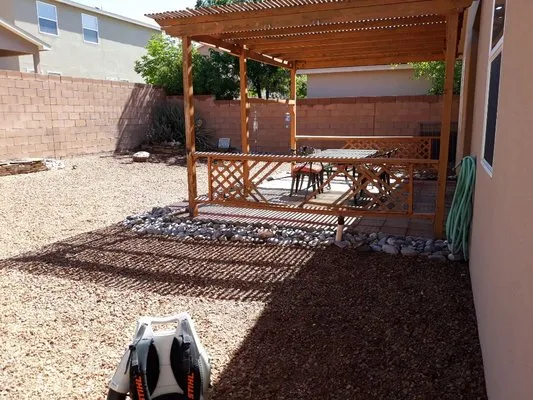
High Quality landscapes
High Quality Landscapes is a locally-owned and operated landscaping company serving Albuquerque, NM, with three years of dedicated experience. Founded by a second-generation landscaper who learned the...
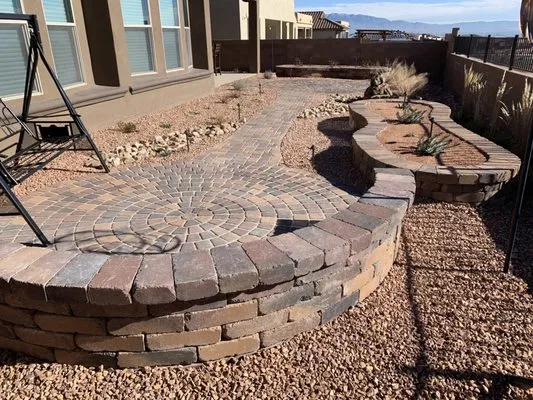
Pearl Garden Landscapes is a trusted local landscaping company serving the Albuquerque and Rio Rancho area. We specialize in creating and maintaining beautiful, functional outdoor spaces for both home...
Estimated Landscaping Service Costs in Albuquerque, NM
Question Answers
Is a wooden deck or a stone patio better for longevity and safety in our high-desert climate?
For longevity and fire safety, inorganic materials are superior. Crushed scoria and permeable sandstone pavers offer a permanent solution that withstands UV degradation and temperature extremes far better than wood. They also contribute directly to your property's Moderate Fire Wise rating by creating a non-combustible defensible space zone adjacent to your home, a critical consideration in the wildland-urban interface.
My Uptown yard's soil is pale, powdery, and nothing seems to thrive. What's the root cause in our 1980s neighborhood?
Homes built around 1982 in Uptown sit on soil that is now over 40 years old. Construction typically strips and compacts the native profile, leaving you with a mature but degraded calcareous sandy loam. Its high pH (7.9-8.2) and compaction severely limit nutrient availability and root penetration. Corrective action requires deep core aeration and incorporation of acidified compost to improve soil structure and gradually lower pH for healthy plant growth.
How can I keep my Buffalograss green during a drought without breaking the city's water rules?
Under Stage 1 voluntary conservation, precision is key. A Wi-Fi ET-based weather sensing controller is mandatory. It automatically adjusts runtime by using real-time evapotranspiration data, applying water only when the landscape needs it. This technology can maintain drought-adapted turf like Buffalograss or tall fescue while reducing overall consumption by 20-30%, keeping you well within municipal guidelines and preventing overwatering in our alkaline soil.
Water pools against my foundation after every rain. What's a permanent solution for our high-runoff soil?
Calcareous sandy loam has poor structure, leading to surface crusting and high runoff despite its name. To manage this, we regrade to create positive slope and install subsurface drains. For any new hardscape, we specify permeable materials like crushed scoria bases and sandstone pavers. This system increases soil percolation, meets Albuquerque Planning Department's runoff standards, and protects foundations by redirecting water efficiently.
A storm damaged trees and scattered debris. What's your fastest response time for an emergency cleanup to avoid HOA fines?
For urgent HOA compliance or storm response in Uptown, our standard dispatch is 20-30 minutes during peak hours. Our crews stage equipment centrally and would route from the ABQ Uptown Shopping Center directly onto I-40 for efficient access. We prioritize electric equipment for immediate, quiet operation within the city's 7 AM to 9 PM window for gas-powered tools, ensuring rapid remediation without ordinance violations.
I'm tired of constant mowing and blowing. What's a truly low-maintenance, future-proof landscape option?
Transitioning to a climate-adaptive xeriscape with regionally native plants is the definitive solution. A palette of Desert Willow, Apache Plume, Blue Grama Grass, and Penstemon requires minimal water, no regular mowing, and little seasonal cleanup. This approach drastically reduces the need for gas-powered blowers, aligning with tightening noise ordinances, and builds a resilient ecosystem that supports local biodiversity far better than traditional turf.
I want to regrade my 0.22-acre lot. Why does the contractor need a special license, and what permits are required?
Grading that alters drainage patterns or involves significant earthmoving is regulated construction work. In New Mexico, such projects require a contractor licensed by the Construction Industries Division. For a 0.22-acre lot in Albuquerque, you must also obtain a grading permit from the Albuquerque Planning Department to ensure plans comply with city drainage and erosion control ordinances. Using an unlicensed entity for this work voids insurance and can result in significant fines and corrective costs.
My lawn has strange, spreading patches. Could it be an invasive species, and how do I treat it safely?
Those patches are likely invasive Bermuda grass or spurge, which thrive in disturbed, alkaline soils. Safe treatment requires a targeted, multi-stage approach. We apply approved herbicides during specific growth cycles, strictly adhering to the city's low-nitrogen, slow-release fertilizer mandates to protect storm drains. For organic areas, careful manual removal and soil solarization are effective. Correcting the underlying soil health with organic matter is crucial to prevent reinfestation.
