Top Landscaping Services in Yardville, NJ, 08620 | Compare & Call
There are 172 landscaping companies server in Yardville NJ
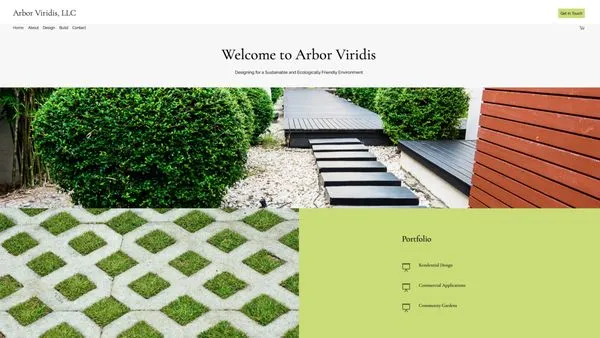
Arbor Viridis is a Trenton-based landscaping and design firm specializing in creating sustainable, functional outdoor spaces. We focus on ecologically friendly practices, transforming land into living...
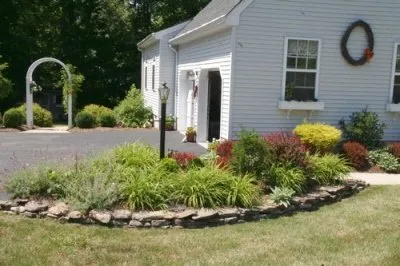
Action Lawn & Landscape
Action Lawn & Landscape has been a trusted partner for Pennington homeowners since 1989, transforming yards into personalized outdoor living spaces. Our full-service approach combines thoughtful lands...
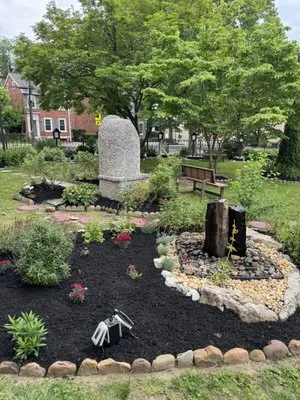
Newly Sprung Landscaping
Newly Sprung Landscaping LLC in Trenton, NJ, is a local landscaping company specializing in transforming outdoor spaces with expertise in lawn care, hardscaping, and lighting. We combine practical sol...
C Merrick Landscapes is a trusted landscaping company serving Trenton, NJ homeowners with reliable, professional solutions. We specialize in addressing common local challenges like storm debris cleanu...
Green Way Landscape and Building Maintenance is a trusted, locally-owned landscaping company serving Trenton, NJ, and the surrounding areas. We specialize in comprehensive landscape maintenance and bu...
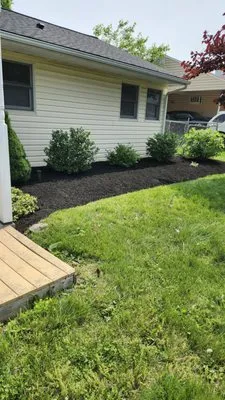
JOSE Santos Landscaping is a trusted local landscaping company serving Trenton, NJ, specializing in landscape design. We understand the common local challenges homeowners face, such as sprinkler cover...
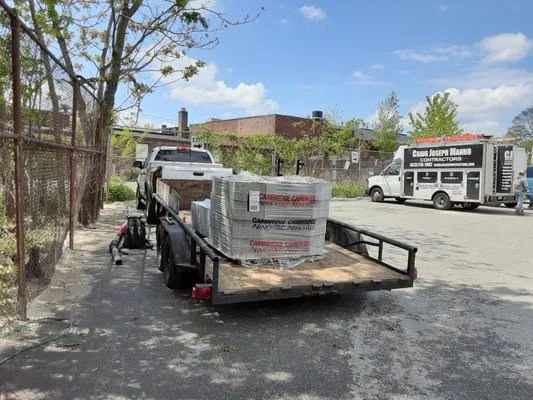
USA Landscaping and Construction is a trusted, full-service landscaping and construction company serving Trenton, NJ, and the surrounding areas. We specialize in landscape construction, maintenance, g...
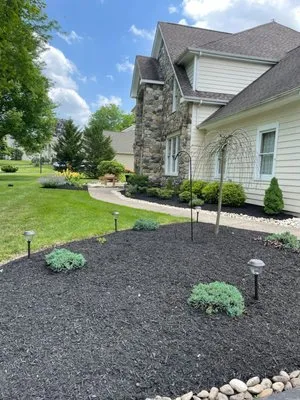
Lester Landscaping is a full-service landscaping company serving Trenton, NJ, and the surrounding communities. We specialize in transforming and maintaining residential properties with a comprehensive...
Superior Landscape & Lawn Care is a trusted, locally-owned provider serving Trenton, NJ, and surrounding areas. We understand the unique challenges facing local lawns, particularly the twin issues of ...
Two Brothers Landscaping is a family-owned and operated landscaping company proudly serving Trenton, NJ, and the surrounding communities. With deep roots in the area, we understand the unique challeng...
Estimated Landscaping Service Costs in Yardville, NJ
Q&A
Will my Kentucky Bluegrass survive Yardville's voluntary water restrictions?
Smart Wi-Fi ET-based weather sensing irrigation maintains turf health within Stage 1 conservation limits by calculating actual evapotranspiration rates. This system adjusts watering schedules daily based on microclimate data, reducing typical Kentucky Bluegrass and Tall Fescue blend consumption by 25-40%. Programming follows municipal water allocation guidelines while preserving root zone moisture during peak growing seasons.
Why does my Yardville Heights lawn struggle despite regular care?
Yardville Heights properties average 65 years of soil development since 1961 construction, leading to acidic sandy loam with pH 6.2 that has become compacted and nutrient-depleted. This soil type naturally loses organic matter over decades, reducing water retention and microbial activity. Core aeration every 2-3 years with compost amendments addresses compaction while maintaining proper permeability for USDA Zone 7a conditions.
What permits and licenses are required for landscape renovations on my property?
Grading work on 0.35-acre lots requires Hamilton Township Division of Planning permits for earth moving exceeding 100 cubic yards. Contractors must hold New Jersey Division of Consumer Affairs Home Improvement Contractor licensing, with specific endorsements for irrigation and drainage systems. Professional certification ensures compliance with NJ Fertilizer Law applications and noise ordinance equipment specifications during project execution.
What invasive species threaten Yardville gardens and how are they controlled?
Japanese stiltgrass and mile-a-minute vine present primary risks in acidic sandy loam, exploiting disturbed areas with aggressive growth. Manual removal before seed set combined with targeted organic herbicides during permitted application windows prevents spread without violating NJ Fertilizer Law buffer requirements. Soil testing determines precise amendment needs while avoiding blackout dates for nutrient applications.
Are permeable pavers worth the investment compared to traditional wood decking?
Permeable concrete pavers offer 30+ year lifespans versus wood's 10-15 year cycle with constant maintenance. Their non-combustible nature supports Low Fire Wise ratings in urban-suburban interfaces by creating defensible space without fuel accumulation. Installation over proper aggregate bases ensures structural stability while managing stormwater through the paver matrix itself.
How quickly can you address storm damage to meet HOA compliance deadlines?
Emergency cleanup crews dispatch from Yardville-Hamilton Square Road via I-195, reaching Yardville Heights properties within 20-30 minutes during peak response scenarios. This routing prioritizes arterial access while accounting for seasonal water table fluctuations that may affect travel. Electric equipment deployment ensures immediate work commencement within noise ordinance parameters for time-sensitive compliance situations.
How can I reduce maintenance while supporting local ecology?
Transitioning high-input turf areas to Butterfly Milkweed, New England Aster, Switchgrass, and Serviceberry plantings creates self-sustaining habitats requiring minimal intervention. These natives thrive in Zone 7a conditions without synthetic inputs, eliminating gas-powered equipment use ahead of tightening noise ordinances. Established stands provide year-round visual interest while supporting 2026 biodiversity targets for suburban landscapes.
What prevents basement flooding during Yardville's wet seasons?
Moderate seasonal water table fluctuations in acidic sandy loam require graded swales directing runoff toward permeable concrete paver installations. These pavers exceed Hamilton Township Division of Planning runoff standards with 80-90% permeability rates, managing 1.5 inches of rainfall per hour. Properly sloped systems prevent saturation around foundations while maintaining soil structure integrity.
