Top Landscaping Services in Westfield, NJ, 07090 | Compare & Call

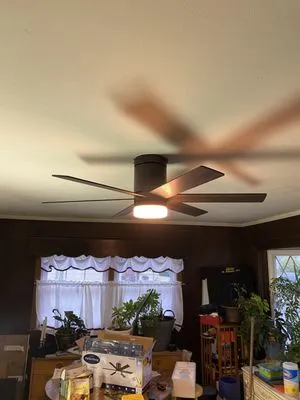
TeenAssistant is a Westfield, NJ-based business run by a dedicated college student offering reliable handyman and landscaping services. We provide a wide range of solutions including furniture assembl...
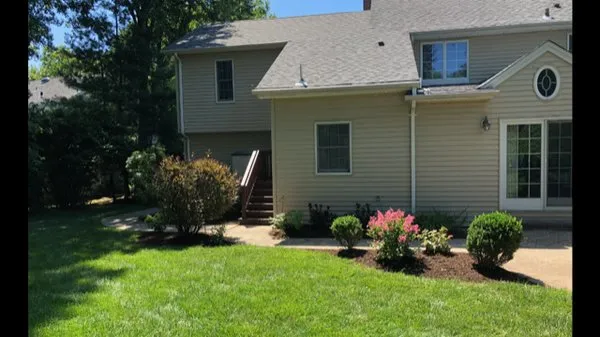
Quality Landscape & Construction is a locally owned and operated landscaping company serving Westfield, NJ, with over 20 years of experience. Starting as a small lawn cutting service, we've grown into...
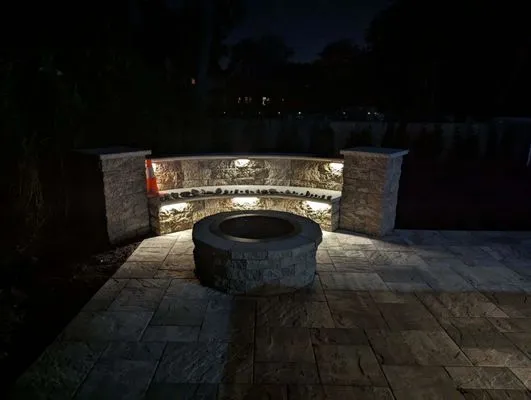
The Contractors Group is a family-owned and operated construction business proudly serving Westfield, NJ, and the surrounding communities. Founded and led by Jose Calle, our team is built on a foundat...

Ince Landscape Construction & Management
Ince Landscape Construction & Management is a Westfield-based landscaping company specializing in comprehensive outdoor solutions for local homeowners. With expertise in landscape design, maintenance,...
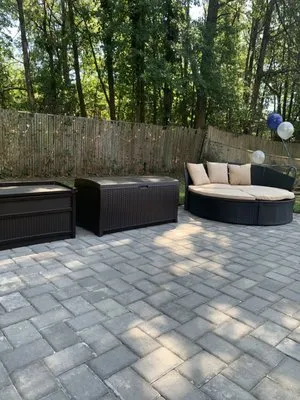
Greenscapes Landscape Management is a Westfield-based landscaping company founded in 2010 by Michael Conrad, who brings over 15 years of industry experience. Specializing in comprehensive lawn and lan...
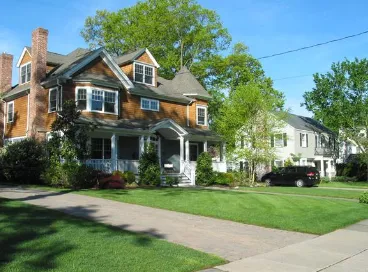
Bongiovanni Landscaping is a family-owned business serving Westfield, NJ, and surrounding areas since 1951. Founded by Peter Bongiovanni, a professional nurseryman and landscape designer, the company ...

Russo's Landscaping has been serving Westfield, Clark, Scotch Plains, Cranford, Mountainside, and surrounding New Jersey communities with reliable landscaping and property care. We focus on practical ...
A & N Landscaping & Contracting
A & N Landscaping & Contracting is a trusted Westfield, NJ contractor specializing in landscaping and general contracting services. We help homeowners address common local issues like landscape edging...
G A Landscape Design & Assoc is a Westfield-based landscaping company specializing in creating and maintaining beautiful, functional outdoor spaces. With a team of landscape architects, horticulturist...
SavATree-Tree Service & Lawn Care is Westfield's trusted local expert for comprehensive lawn and tree care. We specialize in addressing common Westfield landscaping challenges like lawn fungus disease...
FAQs
How do I treat invasive species without violating fertilizer rules?
Japanese stiltgrass and garlic mustard present the highest invasion risks in Westfield's acidic soils. Manual removal before seed set in early summer prevents spread without triggering phosphorus fertilizer restrictions. For persistent infestations, targeted glyphosate applications at 2% solution during fall dormancy avoid non-target damage to desirable species. Soil testing through Rutgers confirms phosphorus levels before any fertilizer application, as Westfield prohibits phosphorus except for new turf establishment or documented deficiencies. Organic pre-emergents like corn gluten meal applied in early April suppress annual weeds without chemical runoff concerns.
Are permeable pavers better than wood for patio longevity?
Permeable concrete pavers maintain structural integrity for 25+ years versus 10-15 years for pressure-treated wood in Westfield's freeze-thaw cycles. Their non-combustible nature supports Firewise Low rating requirements in urban-suburban interface zones, creating defensible space without fuel continuity. Unlike wood, pavers don't require annual sealing or replacement of rotting components. The modular design allows individual paver replacement if settlement occurs, with permeability rates remaining consistent at 8-12 inches per hour when maintained with annual polymer sand replenishment.
Why does my Westfield lawn struggle despite regular care?
Downtown Westfield properties average 73 years of soil development since 1953 construction, creating acidic silt loam with pH 6.2-6.8 that becomes compacted over decades. This soil type naturally restricts root penetration and water infiltration below the surface layer. Core aeration every 2-3 years combined with organic amendments like composted leaf mold addresses the compaction while maintaining optimal acidity for most turf and ornamental species. Soil testing through Rutgers Cooperative Extension confirms specific amendment needs before application.
Can I maintain Tall Fescue under Stage 1 water restrictions?
Wi-Fi ET-based weather sensing controllers automatically adjust irrigation to match evapotranspiration rates, typically reducing water use 20-30% while preserving turf health. These systems reference local weather stations to skip cycles during rainfall and reduce runtime during cooler periods. Tall Fescue's deep root system tolerates moderate drought stress, allowing irrigation at 75% of peak ET rates during voluntary conservation stages. Properly programmed controllers maintain soil moisture at 50-75% field capacity, staying well within municipal water allocation limits.
What permits and licenses are needed for grading my 0.22-acre lot?
Grading altering more than 100 cubic yards of soil requires a permit from Westfield Department of Public Works and Engineering, with engineered plans for slopes exceeding 3:1 ratio. Contractors must hold New Jersey Division of Consumer Affairs Home Improvement Contractor licensing, which includes specific grading and drainage endorsements. The 0.22-acre lot size triggers sediment control measures during construction, with inspection points at subgrade preparation and final stabilization. Licensed professionals carry required insurance for subsurface utility protection and neighbor impact mitigation, particularly important in densely developed Downtown Westfield properties.
What solves persistent runoff in my clay-heavy yard?
Clay-heavy subsoil beneath acidic silt loam creates moderate runoff issues common in Westfield's soil profile. Permeable concrete pavers installed with 6-8 inches of open-graded aggregate base provide 80-90% permeability, meeting Westfield Department of Public Works stormwater standards. This system allows 8-12 inches per hour infiltration versus 0.1 inches for compacted clay. French drains connected to dry wells complement permeable hardscapes, particularly where grade changes exceed 2%. Soil amendments like expanded shale improve subsoil structure over 2-3 growing seasons.
Should I replace high-maintenance turf with native plants?
Transitioning to Purple Coneflower, New England Aster, Switchgrass, and Swamp Milkweed reduces maintenance frequency while supporting 2026 biodiversity targets. These natives require no summer gas-powered equipment, aligning with Westfield's noise ordinance restrictions. Established native plantings need only seasonal cutback versus weekly mowing, reducing water demand 60-70% compared to traditional turf. Mycorrhizal inoculants applied during planting establish symbiotic root relationships within 4-6 weeks, creating self-sustaining ecosystems that require minimal intervention after establishment.
How quickly can you respond to storm damage for HOA compliance?
Emergency cleanup crews dispatch from Mindowaskin Park via the Garden State Parkway, reaching Downtown Westfield properties within 25-40 minutes during peak response windows. This routing avoids residential congestion while providing access to commercial-grade electric equipment that complies with summer gas-powered blower restrictions. Crews prioritize safety hazards like downed limbs before addressing aesthetic concerns, with documentation provided for HOA compliance verification. Response timing accounts for municipal coordination during declared weather events.
