Top Landscaping Services in West Caldwell, NJ, 07006 | Compare & Call

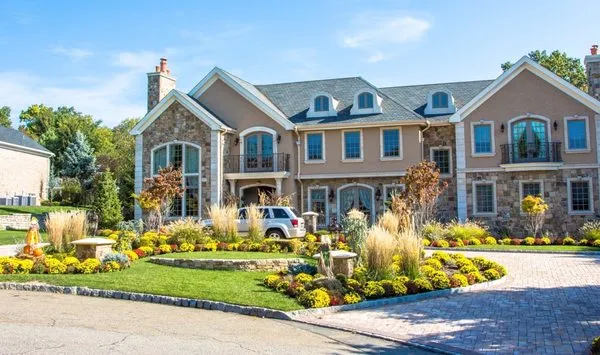
K Macken Landscaping has been a trusted local landscaping and snow removal provider in West Caldwell, NJ since 2002. As a locally owned and operated business, owner Kevin Macken brings years of hands-...
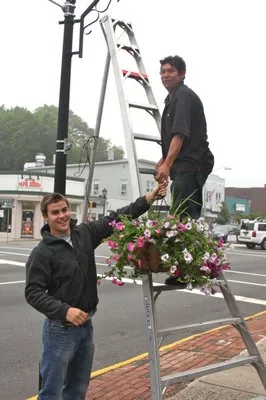
Since 1993, The James R. Haas Landscape Spectrum has been a trusted, locally-owned landscaping company in West Caldwell, NJ. With over 30 years of combined industry experience, proprietor James Haas b...
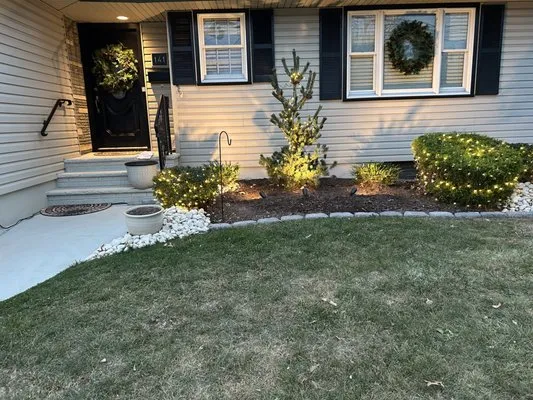
Superior Yard Solutions is a locally owned and operated business in West Caldwell, founded and run by dedicated high school students with a passion for landscaping. We bring years of hands-on experien...

Creative Concepts Landscaping
Creative Concepts Landscaping is a family-owned business serving West Caldwell, NJ, and surrounding areas with over 50 years of combined experience. Specializing in comprehensive landscape design, ins...
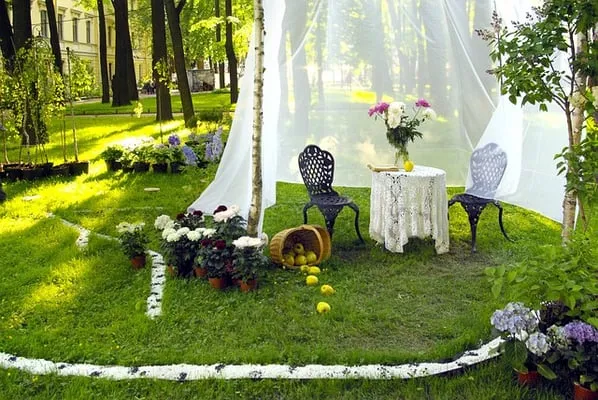
Janina's Landscape Designs is a trusted local landscaping company serving West Caldwell, NJ, and the surrounding communities. We specialize in creating and maintaining beautiful, functional outdoor sp...
Bill LaFlesh Landscaping has been serving West Caldwell, NJ since 1989, with roots dating back to 1984 when founder Bill started cutting neighbors' lawns at age 12. What began as a father-son operatio...
Estate Landscape & Maintenance is a West Caldwell, NJ-based landscaping company dedicated to keeping local properties beautiful and functional. We specialize in addressing common homeowner challenges ...
West Essex Lawn Care is a trusted lawn services and pest control provider based in West Caldwell, NJ, dedicated to helping local homeowners maintain healthy, beautiful outdoor spaces. We specialize in...
FAQs
What solves persistent puddling in my clay-heavy yard?
Clay-heavy subsoil beneath acidic loam creates moderate runoff issues common in West Caldwell. Permeable concrete pavers installed with proper base layers achieve 4-8 inches per hour infiltration rates, meeting West Caldwell Zoning & Planning Department runoff standards. We combine these with French drains and dry creek beds that channel water away from foundations. Soil amendments like expanded shale improve subsoil permeability while maintaining the pH 6.0-6.5 range optimal for established landscapes.
Why does my West Caldwell lawn struggle despite regular care?
West Caldwell Center properties average 65 years of soil development since 1961 construction, creating acidic loam with pH 6.0-6.5 that has become compacted. This soil type naturally restricts root penetration and water infiltration over decades. Core aeration every 2-3 years combined with organic amendments like composted leaf mold addresses the compaction while maintaining optimal acidity for native species. Soil testing through Rutgers Cooperative Extension confirms whether your specific lot requires additional pH adjustment beyond standard organic treatments.
How quickly can you respond to storm damage for HOA compliance?
Emergency cleanup crews dispatch from Crane Park within 20-30 minutes during peak conditions, using I-280 for direct access to West Caldwell Center. Our electric equipment fleet operates within the 8am-6pm weekday noise ordinance while providing immediate debris removal. We prioritize safety assessments of downed limbs before clearing, documenting conditions for insurance and HOA requirements. Response timing accounts for municipal coordination during Stage 1 water restrictions when runoff management becomes critical.
What permits and licenses does grading work require on my property?
Grading on West Caldwell's 0.35-acre lots requires permits from the Zoning & Planning Department when altering water flow patterns or moving more than 10 cubic yards of material. Contractors must hold New Jersey Division of Consumer Affairs Home Improvement Contractor licensing, with additional certification for erosion control work. The permit process evaluates drainage plans against municipal stormwater regulations, particularly important with clay-heavy subsoils. Always verify current license status through the state's online verification system before contracting work.
Can I maintain Kentucky Bluegrass during voluntary water conservation?
Wi-Fi ET-based weather sensing irrigation preserves turf health while reducing consumption 30-40% below traditional systems. These controllers adjust watering based on actual evapotranspiration data, automatically skipping cycles during rainfall. For West Caldwell's Stage 1 voluntary conservation, we program zones separately for Kentucky Bluegrass/Tall Fescue blends versus native planting beds. Deep, infrequent watering cycles encourage deeper root growth that better withstands dry periods while staying within municipal guidelines.
Are permeable pavers better than wood for patio longevity?
Permeable concrete pavers offer 25+ year lifespans versus wood's 10-15 years in New Jersey's freeze-thaw cycles. Their non-combustible nature supports West Caldwell's Low Urban Interface fire-wise rating by creating defensible space. Unlike wood, pavers don't require chemical treatments that could leach into acidic soils. Proper installation includes geotextile fabric and gravel bases that actually improve drainage while providing stable surfaces that resist frost heave common in clay subsoils.
How do I control invasive species without violating fertilizer rules?
Japanese stiltgrass and garlic mustard present the highest invasion risks in West Caldwell's acidic soils. Mechanical removal before seed set combined with targeted organic herbicides avoids phosphorus fertilizer ordinance violations during November-March blackout periods. We implement soil solarization with clear plastic for severe infestations, a chemical-free method that preserves soil microbiology. Always confirm treatment timing with the New Jersey Department of Agriculture's invasive species bulletins to coordinate with local restrictions.
Should I replace high-maintenance grass with native plants?
Transitioning to Eastern Redbud, Purple Coneflower, Swamp Milkweed, Little Bluestem, and Joe Pye Weed reduces maintenance frequency ahead of evolving noise ordinances. These natives thrive in acidic loam without supplemental fertilization, creating pollinator habitat that meets 2026 biodiversity standards. Electric maintenance equipment services these plantings quietly during restricted hours. A phased approach replaces turf gradually while preserving soil structure and established tree root systems.
