Top Landscaping Services in Waldwick, NJ, 07463 | Compare & Call
There are 177 landscaping companies server in Waldwick NJ
Trim Landscape Company is your trusted local landscaping partner in Waldwick, NJ, dedicated to enhancing and maintaining beautiful outdoor spaces for homeowners. We understand the common challenges Wa...
Otto's Landscaping is a licensed, owner-operated business serving Saddle River, NJ, with over 20 years of experience in creating and maintaining beautiful, functional outdoor spaces. Specializing in s...
Calderon Landscaping & Contruction
Calderon Landscaping & Construction is a trusted local contractor serving Wyckoff, NJ, specializing in comprehensive landscape design and masonry solutions. We understand the common challenges homeown...
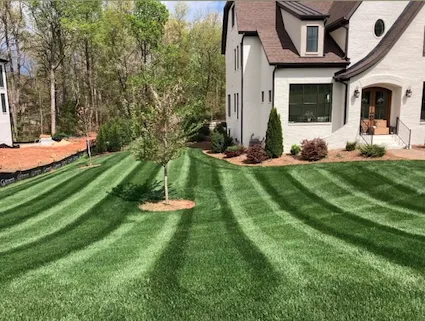
Complete Lawn Care is a trusted local lawn service provider in Norwood, NJ, specializing in comprehensive lawn care solutions tailored to the specific needs of our community. We understand that Norwoo...
C&R Landscaping & Home Improvement, LLC is a locally owned and operated business serving Waldwick, NJ, and surrounding areas. We specialize in landscaping, siding, and roofing services, offering compr...
Proscape Contractors has been a trusted landscaping partner for Saddle River, NJ, residents and businesses for over 28 years. We specialize in comprehensive outdoor solutions, from landscape design an...
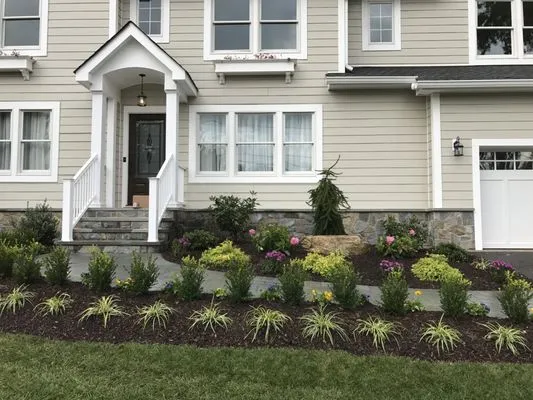
Green As Jades Landscaping is a locally owned and operated landscaping company serving Ridgewood and the surrounding Bergen County area. Founded by a Ridgewood High School graduate who furthered his e...
Estimated Landscaping Service Costs in Waldwick, NJ
Frequently Asked Questions
If a storm causes major limb damage, how fast can a crew get here for an emergency cleanup?
For urgent HOA compliance or safety issues, we dispatch from near the Waldwick Train Station. Using NJ-17, our electric fleet avoids peak noise restrictions, allowing a response within the 20-30 minute window during a storm event. We prioritize securing the site and clearing access routes before full debris removal begins.
What invasive species should we watch for, and how do we handle them responsibly?
Japanese stiltgrass and garlic mustard are prevalent alerts in Zone 7a. Safe removal involves manual pulling before seed set or targeted, professional-grade herbicide applications. Crucially, any fertilizer used in remediation must follow NJ state law, requiring a soil test to justify phosphorus. We time treatments to avoid ordinance blackout dates, ensuring effective, legal control.
Our yard stays soggy long after rain. What's the best fix for Waldwick's soil and runoff issues?
This is a classic symptom of the area's moderate runoff and seasonal high water table on sandy loam. Improving permeability is key. We often install French drains tied to dry wells and recommend replacing solid concrete with permeable concrete pavers for new hardscapes. These solutions manage onsite water, meeting Waldwick Building Department standards for reduced stormwater discharge.
Why is proper licensing so important for grading and landscape construction on our quarter-acre lot?
Significant grading alters drainage patterns, impacting neighboring properties. On a 0.22-acre lot, errors are magnified. The Waldwick Building Department requires permits for such work, which must be filed by a contractor licensed by the New Jersey Board of Examiners of Landscape Architects or relevant trade board. This ensures engineered solutions for soil stability and runoff, protecting your investment and community.
How can we keep our lawn green during Waldwick's voluntary water conservation stages?
Wi-Fi ET-based weather-sensing irrigation is the solution. It automatically adjusts run times using real-time evapotranspiration data, applying water only when your Kentucky Bluegrass and Tall Fescue blend needs it. This technology often reduces water use by 20-30%, keeping your lawn healthy while fully complying with Stage 1 municipal conservation requests.
Our Waldwick Downtown home's lawn has never looked great. Could the property's history be the cause?
Properties in this neighborhood, typically built around 1957, have soils with nearly 70 years of maturation. The prevalent acidic sandy loam (pH 5.5-6.5) becomes compacted over decades, limiting root growth and nutrient uptake. Core aeration in early fall, followed by top-dressing with compost, is essential to correct this legacy compaction and build organic matter for healthier turf.
Is bluestone or a wood deck better for a new patio in terms of longevity and safety?
Bluestone or concrete pavers are superior for longevity and align with Firewise principles. Unlike wood, which requires constant sealing and can combust, stone is permanent and non-flammable, contributing to the defensible space crucial even in Waldwick's low-risk rating. Stone also handles freeze-thaw cycles better and avoids the decay issues common in our climate.
We're tired of weekly mowing and gas blower noise. Are there lower-maintenance options?
Absolutely. Transitioning perimeter areas to a native plant community using species like Eastern Redbud and Butterfly Milkweed drastically reduces mowing and blowing. These deep-rooted plants thrive in our acidic soil, support 2026 biodiversity targets, and eliminate the need for gas-powered equipment during the restricted May-September period, creating a quieter, ecologically resilient landscape.
