Top Landscaping Services in Toms River, NJ, 08753 | Compare & Call

Cerami Lawns
Cerami Lawns is a dedicated landscaping service in Toms River, NJ, specializing in gardening, landscape design, and ongoing maintenance. We understand the local challenges Toms River property owners f...
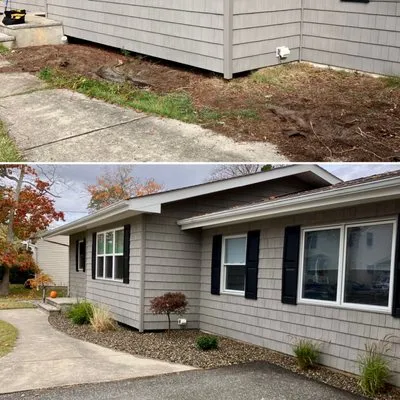
Jersey Shore Lawn Service is your trusted local lawn care provider in Toms River, NJ. We specialize in keeping your property beautiful and healthy year-round. We understand the specific challenges Tom...
For over 45 years, Robert Ott Landscaping has been a cornerstone of the Toms River community, specializing in creating and maintaining outdoor spaces that thrive in our local climate. Founded by Bob O...
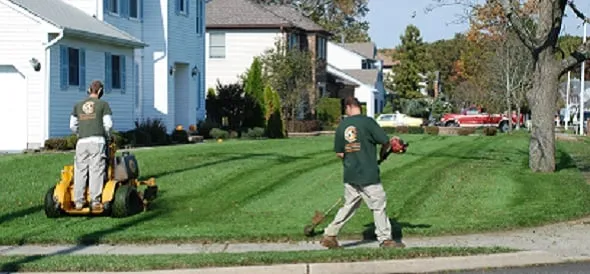
Earth Groomers Landscaping
Earth Groomers Landscaping is a trusted Toms River company founded by Steven Davidson in 1998. With a lifelong passion for gardening and plants, Steven brings deep, generational knowledge to every pro...
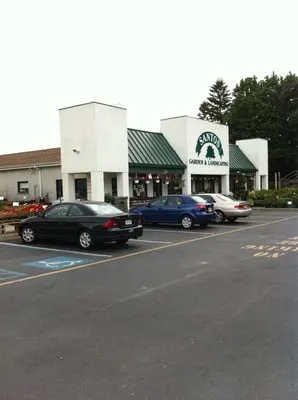
Santos Garden & Landscaping
Santos Garden & Landscaping is a family-owned landscaping company serving Toms River and Ocean County for over 30 years. Specializing in comprehensive landscape design, hardscaping, and maintenance, t...
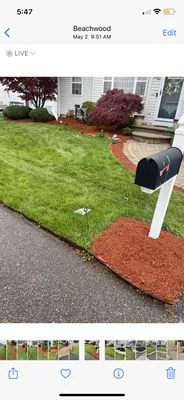
L.L. Lawns is a family-owned and operated landscaping company serving Toms River, NJ. For nearly a decade, we've been dedicated to building functional and beautiful outdoor spaces for our neighbors th...

Zebra Lawn Care is a trusted landscaping company serving Toms River, NJ, dedicated to creating and maintaining beautiful, healthy outdoor spaces. We specialize in comprehensive services, including lan...
Jersey Coast Landscaping is a trusted, full-service landscaping contractor serving Toms River and the surrounding Jersey Shore communities. We specialize in both softscape and hardscape solutions to e...

C & G Landscaping is a full-service landscaping contractor based in Toms River, NJ, dedicated to serving Ocean County, Monmouth County, and the surrounding communities. We offer a comprehensive range ...
GMX Landscaping is a fully insured, family-owned company with over 30 years of dedicated service to Monmouth and Ocean counties. We believe in building relationships face-to-face, which is why we invi...
Question Answers
Can I maintain healthy grass under Stage 1 water restrictions?
Smart Wi-Fi ET-based controllers with rain sensors optimize Kentucky Bluegrass and Tall Fescue blends within voluntary conservation limits. These systems calculate evapotranspiration rates to deliver precise moisture levels, reducing municipal water use by 30-40% compared to traditional timers. Proper scheduling during early morning hours minimizes evaporation while supporting root development in acidic sandy loam conditions.
How quickly can you respond to storm damage for HOA compliance?
Emergency cleanup dispatch from Toms River Town Hall uses the Garden State Parkway for optimal routing. During peak conditions, our 25-40 minute response window accounts for traffic while prioritizing safety. We coordinate with property managers to address fallen branches and debris before violation notices, maintaining neighborhood standards throughout the storm season.
Are there alternatives to weekly mowing that reduce maintenance?
Transitioning high-maintenance turf to native plantings like Coastal Panic Grass, Butterfly Milkweed, and Beach Plum creates resilient landscapes. These species require minimal irrigation once established and support local pollinators while reducing mowing frequency. This approach aligns with evolving noise ordinances restricting gas-powered equipment hours, positioning properties ahead of potential electric-only mandates.
Why does my Toms River lawn struggle despite regular care?
Downtown Toms River properties built around 1965 have 60-year-old soil profiles. Acidic sandy loam with pH 5.5-6.2 naturally compacts over decades, reducing permeability and root penetration. Core aeration every 2-3 years introduces oxygen channels while organic amendments like composted leaf mold improve water retention. This addresses the historical soil degradation common in coastal New Jersey neighborhoods.
How do I control invasive species without chemical runoff concerns?
Japanese stiltgrass and mile-a-minute vine pose significant threats in USDA Zone 7b. Manual removal during early growth stages prevents seed set while avoiding New Jersey Fertilizer Law blackout dates. Targeted spot treatments using EPA-approved herbicides in fall, when natives are dormant, minimize environmental impact. Always maintain 10-foot buffers from water features to protect Toms River's coastal ecosystems.
What solves persistent puddling in my coastal yard?
High water tables and poor infiltration in Toms River's coastal zones require engineered drainage solutions. Permeable concrete pavers allow 80-90% of rainfall to percolate through joints filled with angular stone, meeting township runoff standards. French drains connected to dry wells redirect subsurface water away from foundations, addressing the sandy loam's limited absorption capacity during heavy precipitation events.
Should I choose permeable pavers or wood for my patio project?
Permeable concrete pavers offer superior longevity with 25+ year lifespans versus wood's 10-15 years with constant maintenance. Their non-combustible nature supports Moderate Fire Wise Rating compliance in WUI Zone 2, creating defensible space. Interlocking designs accommodate ground movement in sandy soils while providing stable surfaces that resist frost heave common in coastal New Jersey winters.
What permits and licenses are required for grading my 0.25-acre lot?
The Toms River Township Planning & Zoning Department requires grading permits for any elevation changes exceeding 6 inches. New Jersey Division of Consumer Affairs mandates Home Improvement Contractor licensing for professionals moving over 5 cubic yards of material. Certified landscape architects should design drainage patterns on coastal properties to prevent downstream flooding, with engineered plans submitted before excavation begins.
