Top Landscaping Services in Swedesboro, NJ, 08085 | Compare & Call
There are 140 landscaping companies server in Swedesboro NJ
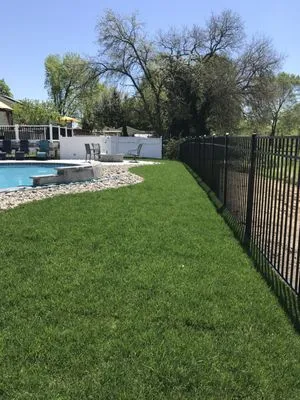
The J Boys is a trusted landscaping and outdoor construction company serving Carneys Point, NJ, and surrounding South Jersey communities since 1991. Founded by Jim Thorpe, we've grown from a single-tr...
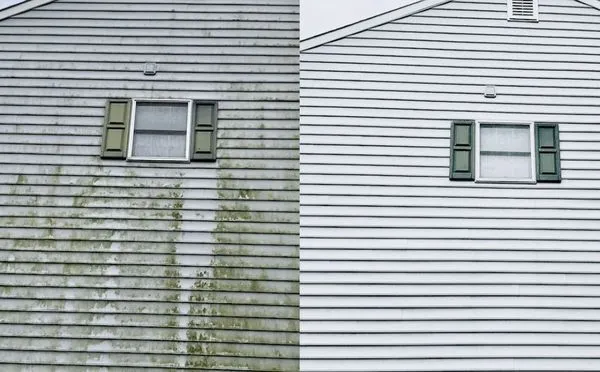
JDC Exterior is a trusted Blackwood, NJ landscaping and pressure washing company specializing in comprehensive shrub care and landscape maintenance. We help local homeowners address common landscaping...
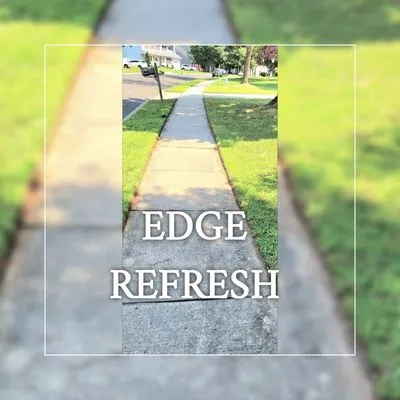
TurfTamers Lawn Maintenance and Landscape Design
TurfTamers Lawn Maintenance and Landscape Design is a licensed and insured local business serving Glendora, NJ, with reliable lawn care and thoughtful landscape design. We specialize in biweekly and w...
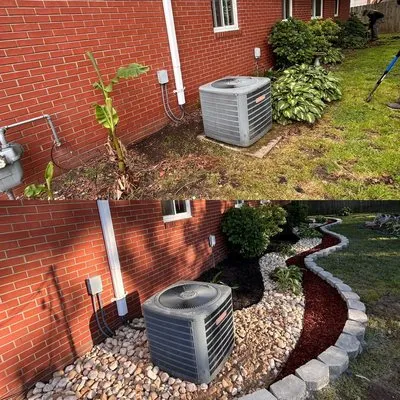
Kohltech is a trusted lawn care provider serving Waterford Works, NJ. Specializing in professional lawn maintenance, we understand the unique challenges of the local landscape, particularly issues wit...

J & J Helpers is a Florence, NJ-based business dedicated to making life easier for local residents through reliable home cleaning, moving, and landscaping services. Founded by a local entrepreneur who...
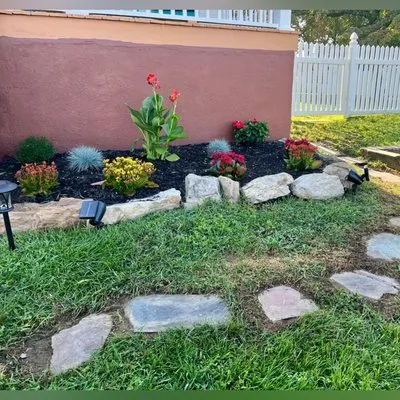
Indigo G Lawn Care is a Bellmawr-based lawn service founded by owner Boe, who brings a unique creative background to landscaping. The business operates on principles of attentive customer service, cus...

Untouchable Landscaping has been transforming outdoor spaces in Bordentown, NJ, and surrounding Mercer, Burlington, and Hunterdon Counties since 1996. As a fully insured landscaping and hardscaping se...
Bens Lawn Care is a dedicated Camden, NJ provider of comprehensive lawn, tree, and irrigation services. We understand the common local challenges homeowners face, such as uneven sprinkler coverage and...
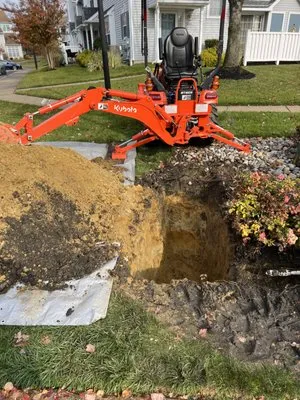
RAS Services & Construction LLC is a family-owned and operated business serving Pine Hill, NJ, and surrounding areas since 2024. We specialize in excavation, landscaping, and plumbing services, provid...

Plant Healthcare Solutions is a Medford-based tree service and landscaping company founded by Chip Germain, a lifelong New Jersey resident with 34 years of professional arborist experience. As an ISA ...
Estimated Landscaping Service Costs in Swedesboro, NJ
Questions and Answers
What solutions address moderate runoff and seasonal high water tables in my yard?
Sassafras Sandy Loam's moderate permeability requires engineered drainage for runoff management. We install French drains with clean stone aggregate to intercept groundwater before it reaches the seasonal high table. Permeable concrete pavers meet Swedesboro Borough Zoning & Construction Office standards by allowing 80-90% of rainfall to infiltrate directly. For 0.25-acre lots, we design swales with 2% slope to direct water away from foundations. Dry wells connected to downspouts provide additional storage capacity during heavy rain events. These systems collectively reduce erosion and prevent standing water that compromises soil structure.
What permits and licenses are needed for grading work on my property?
Grading projects on 0.25-acre lots in Swedesboro require permits from the Swedesboro Borough Zoning & Construction Office when altering more than 100 square feet of land. Contractors must hold valid registration with the New Jersey Division of Consumer Affairs - Home Improvement Contractor program. This licensing ensures compliance with state regulations regarding insurance, contracts, and dispute resolution. For projects affecting drainage patterns, additional stormwater management review may be necessary. Soil erosion control measures must be implemented during work to prevent sediment runoff. We coordinate all permit applications and inspections to maintain project timelines while adhering to local ordinances.
Are permeable concrete pavers better than wood for patio installations?
Permeable concrete pavers offer superior longevity and functionality compared to wood in Swedesboro's climate. Their 25+ year lifespan exceeds wood's 10-15 year expectancy, with minimal maintenance requirements. The permeability rate of 8-12 inches per hour significantly reduces runoff, meeting municipal stormwater management standards. For low fire-wise rated areas, non-combustible pavers create defensible space without contributing to fire spread. Installation over a gravel base with joint sand allows root penetration for adjacent plantings. Thermal properties remain stable through USDA Zone 7b temperature fluctuations, preventing the cracking and warping common with wood materials.
How should I handle invasive species without violating fertilizer regulations?
Japanese stiltgrass and garlic mustard present the highest invasive risks in Swedesboro's suburban residential areas. Manual removal before seed set proves most effective, particularly during early growth stages. For persistent infestations, targeted spot treatments with EPA-approved herbicides avoid collateral damage to native plants. New Jersey's fertilizer law prohibits phosphorus applications unless soil tests confirm deficiencies, with blackout dates from November 15 to March 1. We integrate soil testing with treatment plans to ensure compliance. Organic amendments like compost tea boost soil biology to outcompete invasives naturally. Monitoring programs help detect re-infestation early when control is most manageable.
How can I maintain my Tall Fescue/Kentucky Bluegrass blend during Stage 1 water restrictions?
Wi-Fi ET-based weather sensing controllers optimize irrigation by adjusting schedules to actual evapotranspiration rates. These systems reduce water use by 20-30% compared to traditional timers while preserving turf health. During Stage 1 voluntary conservation in Swedesboro, we program controllers to deliver 0.75-1.0 inches weekly, focusing on early morning cycles to minimize evaporation. Soil moisture sensors provide additional precision by preventing irrigation when sufficient moisture exists. For sandy loam soils, we recommend 2-3 deep watering sessions weekly rather than frequent shallow watering. This approach maintains the grass blend's drought tolerance while respecting municipal water limits.
What native planting options reduce maintenance and support local ecology?
Replacing high-maintenance turf with native species creates resilient landscapes that require less intervention. Eastern Redbud and Highbush Blueberry provide multi-season interest while supporting pollinators. Purple Coneflower and Swamp Milkweed establish deep root systems that improve soil stability and drought resistance. Little Bluestem's fibrous roots prevent erosion and create habitat for beneficial insects. These natives typically need no supplemental irrigation once established, reducing water demand. Transitioning to electric maintenance equipment aligns with evolving noise ordinances while eliminating gas emissions. This approach supports 2026 biodiversity standards through layered plant communities.
How quickly can you respond to an emergency tree cleanup after a storm in Swedesboro?
Emergency storm response from Swedesboro Borough Hall typically requires 25-35 minutes during peak conditions. Our dispatch routes via I-295 to optimize travel through the Swedesboro Historic District, accounting for traffic patterns and accessibility. We maintain electric-powered equipment that complies with the 8:00 AM to 8:00 PM noise ordinance for immediate deployment. HOA compliance issues receive priority scheduling with same-day assessment when reported before noon. For properties with 0.25-acre lots, we allocate appropriate crew sizes to handle debris removal efficiently. Communication updates are provided throughout the service window to manage expectations.
Why does my Swedesboro Historic District lawn have such poor drainage and compaction issues?
Properties in the Swedesboro Historic District with 1965-era construction have 61-year-old soil profiles. The Sassafras Sandy Loam common to these lots has experienced decades of compaction from foot traffic and traditional maintenance, reducing its natural permeability. This soil type benefits from annual core aeration to improve oxygen exchange and water infiltration. Incorporating 1-2 inches of composted organic matter each spring can rebuild soil structure and support microbial activity. Without these interventions, the soil's pH of 6.0-6.5 becomes less effective at nutrient availability. Regular soil testing every 2-3 years helps track organic content and guides amendment strategies.
