Top Landscaping Services in Spring Lake, NJ, 07762 | Compare & Call
There are 193 landscaping companies server in Spring Lake NJ
TR Landscaping is a trusted local landscaping company serving Toms River, NJ, specializing in comprehensive lawn and shrub care. We help homeowners tackle common local issues like bare lawn patches an...
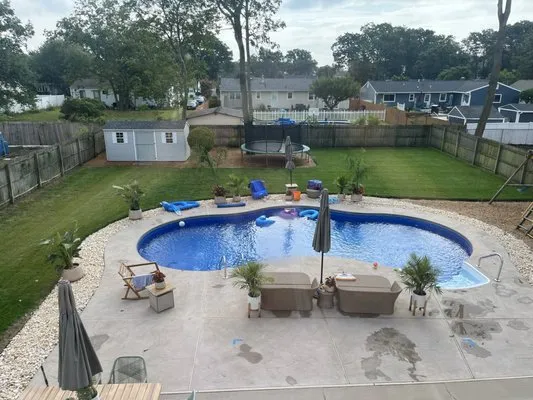
First Round Landscaping is a locally owned and operated landscaping company serving Brick, NJ and the surrounding area. We provide comprehensive outdoor solutions including professional landscaping, h...

Calgo Gardens is a Freehold, NJ institution, established in 1948 and rooted in a deep love for nature and community. For over seven decades, this family-owned 7-acre nursery and landscaping design cen...
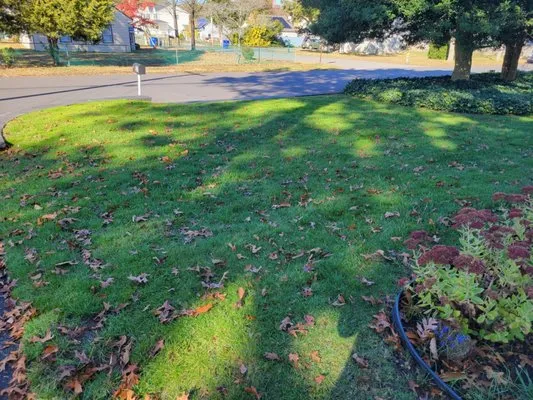
Morgans Irrigation is a family-owned and operated irrigation service based in Beachwood, NJ, established in 2020. With over a decade of experience, we specialize in designing, installing, and maintain...
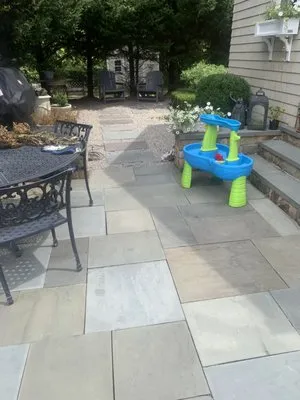
MG Pressure Washing & Landscaping is a Toms River-based family business that has been serving the local community for over a year. We specialize in both landscaping and pressure washing, offering a co...
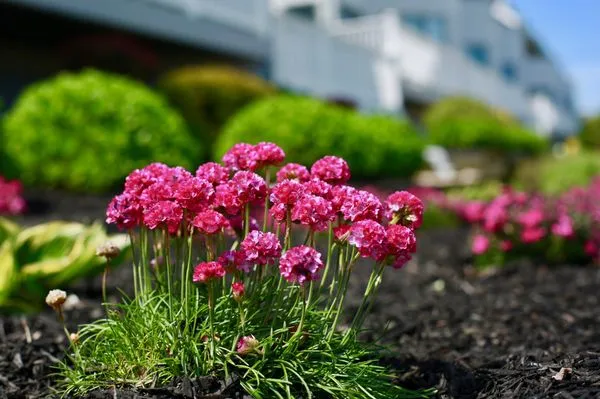
Pro Lawn Care is a family-owned and operated lawn service company serving Neptune City, NJ, and the surrounding area. We specialize in comprehensive lawn care, irrigation services, and snow removal fo...
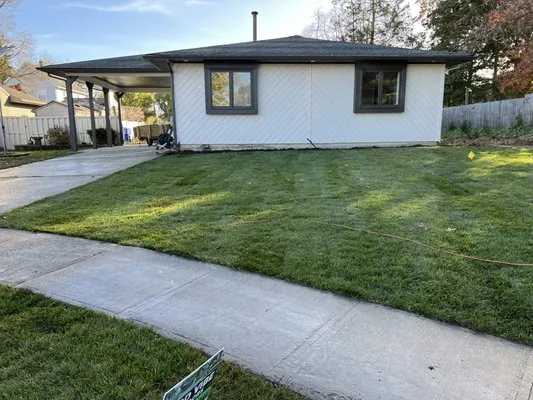
Ocean County Sod is a family-owned and operated business with deep roots in Ocean County, NJ. Founded as a farm specializing in turf suited for the New Jersey climate, we've grown into a trusted provi...
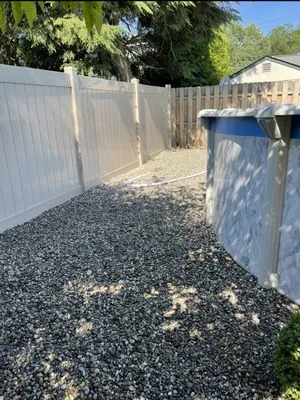
Huntergreen Landscaping is a trusted, family-owned landscaping and tree service company serving Freehold and all of Monmouth County for over two decades. We specialize in creating and maintaining beau...
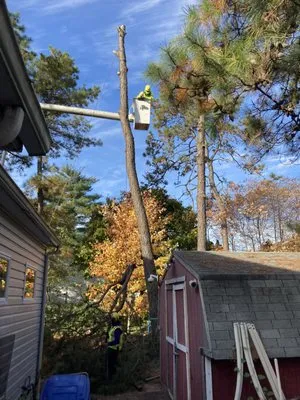
Trinity Tree Experts & Landscaping
Founded by a second-generation arborist, Trinity Tree Experts & Landscaping brings a genuine passion for tree care and community safety to Toms River. Our journey began working alongside family, learn...

Lawn Doctor of the Jersey Shore has been a trusted local lawn care provider in Toms River since 1990. For over three decades, we've built our reputation on a simple principle: genuine care for our nei...
Estimated Landscaping Service Costs in Spring Lake, NJ
FAQs
Is a bluestone patio a good choice for our coastal home compared to composite wood?
Yes, bluestone is superior for longevity in a salt-air environment. Unlike wood or composites that can degrade, bluestone is durable and requires no sealing. When installed with permeable bases, it also supports the borough's stormwater management goals. For a Moderate Fire Wise rating zone, the non-combustible nature of stone provides critical defensible space compared to wooden decks.
How can we keep our Kentucky Bluegrass and Tall Fescue healthy during Stage 1 water conservation?
Smart Wi-Fi ET-based controllers are essential. They automatically adjust watering schedules based on local evapotranspiration data and real-time soil moisture readings. This system applies water only when and where your turf needs it, preventing overwatering and aligning perfectly with voluntary conservation goals. Properly calibrated, it maintains turf health while reducing overall potable water use, a critical practice for coastal communities.
What should we verify before hiring a contractor for regrading our 0.22-acre lot?
Always confirm a valid New Jersey Home Improvement Contractor license from the Division of Consumer Affairs. For regrading that alters water flow, a permit from the Spring Lake Borough Building Department is typically required. On a 0.22-acre lot, even minor grade changes can significantly impact drainage and neighboring properties, making licensed, insured professionals essential for legally sound and technically correct execution.
Our yard pools water after heavy rains. What's a lasting solution for our high water table?
Seasonal flooding is common with a high coastal water table and Sandy Loam soil. A graded French drain system can intercept subsurface water, while replacing solid surfaces with Permeable Concrete Pavers increases ground absorption. These solutions manage runoff on-site, which is increasingly required by the Spring Lake Borough Building Department to reduce strain on municipal infrastructure and mitigate local flooding.
We want to reduce mowing and gas equipment noise. What are lower-maintenance alternatives?
Transitioning sections of high-maintenance turf to a matrix of native plants like Beach Plum, Seaside Goldenrod, and Coastal Panic Grass significantly reduces mowing, watering, and fertilizing needs. This xeriscaping approach creates a resilient, biodiverse landscape that thrives in local conditions. It also future-proofs your property against evolving noise ordinances restricting gas-powered blowers and mowers.
We have unexpected storm debris and need an emergency cleanup to meet HOA standards. How quickly can a crew respond?
For emergency HOA compliance, a crew can typically be dispatched within the hour from our staging area near the Spring Lake Boardwalk. The route north via New Jersey Route 71 allows for arrival at a North End property within the 20-30 minute peak storm response window. We coordinate all work within the borough's noise ordinance hours for gas-powered equipment to ensure immediate, compliant service.
Our lawn has struggled since we moved in. Could the history of our property be a factor?
Properties in the North End, built around 1973, often have over 50 years of soil compaction from construction and routine maintenance. Your Sandy Loam soil, while well-draining, becomes hydrophobic when compacted, preventing water and nutrient penetration. This legacy condition requires core aeration in early fall to relieve compaction, followed by top-dressing with compost to build organic matter and support healthy root systems for your turf blend.
We've spotted invasive vines. How do we treat them without harming the lawn or breaking rules?
For invasive species like Japanese knotweed or porcelain berry, targeted manual removal or careful spot-treatment with glyphosate in late summer is most effective. All treatments must occur outside the NJ Fertilizer Law blackout period (Nov 15-Mar 1) to avoid runoff into the coastal water table. Post-removal, amending the soil with compost helps native plants outcompete future invaders.
