Top Landscaping Services in South Hackensack, NJ, 07026 | Compare & Call
There are 135 landscaping companies server in South Hackensack NJ
Schifano Landscaping is a trusted, family-owned landscaping company dedicated to serving the Ridgefield Park, NJ community. We specialize in addressing the specific lawn health challenges common to ou...
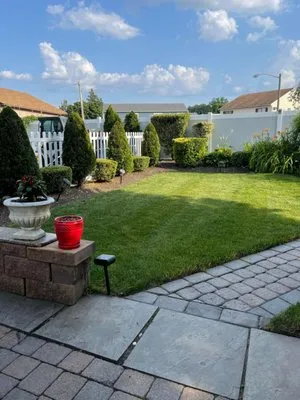
Wilson Home Improvement & Landscape
Wilson Home Improvement & Landscape is a trusted, family-owned and operated contractor serving Hackensack and surrounding Bergen County communities. For over 20 years, we've built our reputation on re...
Steelmack is a Hackensack-based landscaping company dedicated to solving common local yard problems. Many homes in our area struggle with landscape edging damage and bare lawn patches, which can detra...
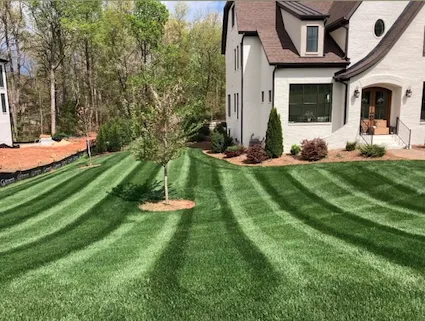
Complete Lawn Care is a trusted local lawn service provider in Norwood, NJ, specializing in comprehensive lawn care solutions tailored to the specific needs of our community. We understand that Norwoo...
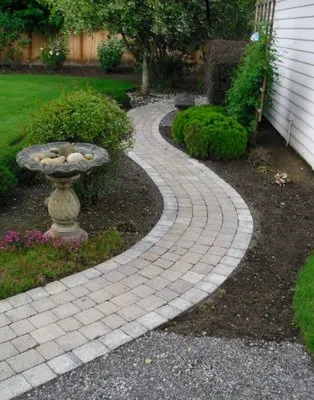
DNA Lawn Care in Hasbrouck Heights, NJ, is a locally owned lawn service company founded by homeowners who were frustrated with the rushed, low-quality work common in the industry. We specialize in det...
Estimated Landscaping Service Costs in South Hackensack, NJ
Frequently Asked Questions
What invasive species threaten South Hackensack landscapes?
Japanese stiltgrass and garlic mustard present the highest invasive risks in USDA Zone 7b, outcompeting native vegetation. Manual removal before seed set in early summer prevents spread without chemical intervention. For persistent infestations, spot-treat with EPA-approved herbicides during permitted application windows, avoiding NJ Fertilizer Law blackout dates. Always verify treatment timing doesn't conflict with the 0.7 lbs N/1000sqft annual nitrogen limit for adjacent turf areas.
What solutions address runoff in my clay-heavy soil?
Impermeable clay-heavy subsoils in South Hackensack create high runoff during heavy precipitation. Installing permeable concrete pavers with 1/8-inch joints filled with angular stone aggregate increases surface infiltration rates. Subsurface French drains connected to dry wells redirect water away from foundations. The South Hackensack Building Department requires drainage plans showing how new hardscapes manage the first 1.5 inches of rainfall without contributing to municipal system overload.
What permits and licenses are needed for grading work?
Grading that alters water flow patterns on a 0.15-acre lot requires a permit from the South Hackensack Building Department with engineered drainage plans. Contractors must hold New Jersey Division of Consumer Affairs - Home Improvement Contractor licensing for earthwork exceeding $500. Specific licensing ensures proper erosion control during construction and compliance with municipal runoff standards. Unlicensed grading can result in fines and mandatory restoration at property owner expense.
How can I reduce maintenance while supporting local ecology?
Replacing high-maintenance turf areas with native plantings like Common Milkweed, New England Aster, Switchgrass, and Joe-Pye Weed creates habitat while reducing mowing frequency. These species require minimal irrigation once established and support pollinator populations. Transitioning to electric equipment aligns with Sunday gas-blower restrictions and reduces operational noise. Native plantings typically need only annual cutting back rather than weekly maintenance.
How quickly can you respond to storm damage for HOA compliance?
Emergency cleanup crews dispatch from Veterans Memorial Park via I-80 to reach South Hackensack Residential Core within 20-30 minutes during peak conditions. Our electric maintenance fleet operates within the 8:00 AM to 6:00 PM noise ordinance window, with Sunday service using battery-powered equipment only. We prioritize safety assessments before debris removal, documenting conditions for insurance purposes while restoring property access.
Can I maintain healthy turf under Stage 1 water restrictions?
Wi-Fi ET-based weather sensing controllers optimize irrigation by adjusting schedules based on real-time evapotranspiration data. These systems reduce water use 20-30% while preserving Kentucky Bluegrass and Tall Fescue blends during dry periods. Programming deep, infrequent watering cycles encourages deeper root growth and drought tolerance. Voluntary conservation compliance involves monitoring soil moisture sensors to prevent overwatering during rainfall events.
Are concrete pavers better than wood for long-term durability?
Concrete pavers offer superior longevity with 25+ year lifespans versus wood's 10-15 years with maintenance. Their non-combustible nature maintains defensible space important even in Low Fire Wise rated urban areas. Properly installed with geotextile fabric and compacted base materials, pavers resist frost heave and settling. Unlike wood, they don't require chemical treatments or regular sealing, reducing long-term maintenance costs and environmental impact.
Why does my South Hackensack lawn struggle despite regular care?
Properties in the South Hackensack Residential Core built around 1958 have 68-year-old soil systems. Urban Fill/Udorthents with pH 6.2-6.8 have become compacted over decades, reducing oxygen exchange and water infiltration. This soil type requires annual core aeration to break up subsurface compaction layers. Incorporating 0.25 inches of compost after aeration introduces beneficial microorganisms and improves soil structure for better root development.
