Top Landscaping Services in South Belmar, NJ, 07719 | Compare & Call
There are 164 landscaping companies server in South Belmar NJ
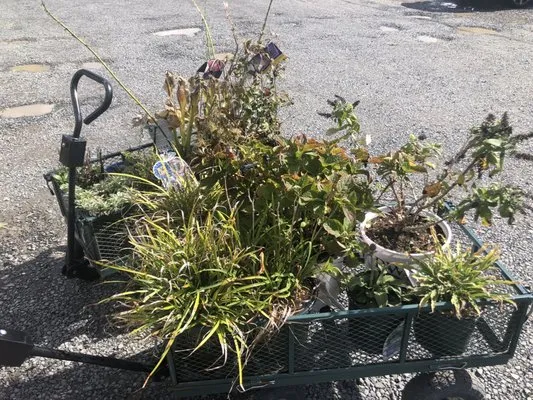
Gold Coast Gardens in Long Branch, NJ, is a full-service garden center and landscaping business with deep local roots. Founded 11 years ago as an extension of a landscaping company operating since 198...
BJSS and Sons is a Toms River-based handyman, general contracting, and landscaping business founded by Benjamin, who brings decades of family trade expertise to every project. Inspired by his uncles—m...
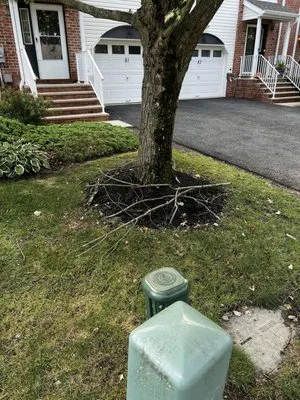
All Green Lawn & Landscaping
All Green Lawn & Landscaping is a trusted landscape contracting company serving Freehold Township, NJ, and surrounding Middlesex, Monmouth, and Mercer Counties. With over a decade of experience, they ...
For-Shore Weed Control in Brick, NJ, is a locally owned landscaping and tree service company founded by Michael Matthews to help homeowners enjoy their properties without dealing with messy chemicals ...
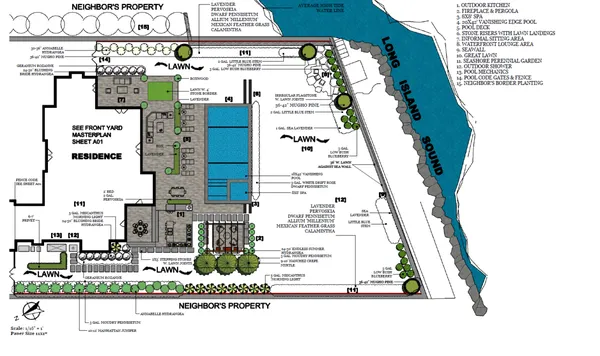
KDM Landscape Design is a full-service landscape architecture and construction firm serving Neptune City and the surrounding Monmouth County area. We specialize in transforming local properties with c...
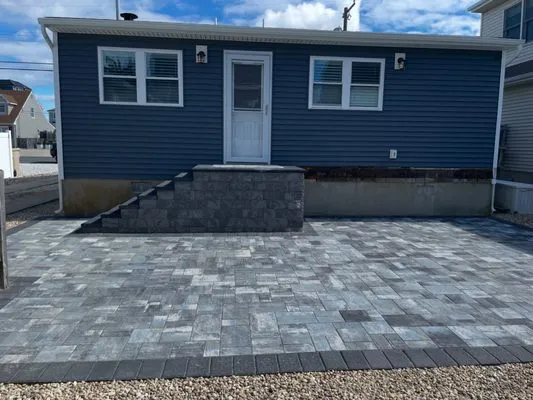
JC Pavers is a trusted Barnegat, NJ business specializing in masonry, concrete, landscaping, and tree services. Many local homes face common landscaping challenges like dead lawn patches and standing ...
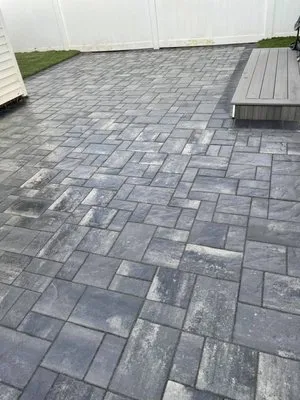
CR Torres Landscaping & Hardscaping
CR Torres Landscaping & Hardscaping LLC in Asbury Park, NJ, is a fully licensed and insured landscaping and hardscaping service with over 30 years of combined experience. We offer a comprehensive rang...
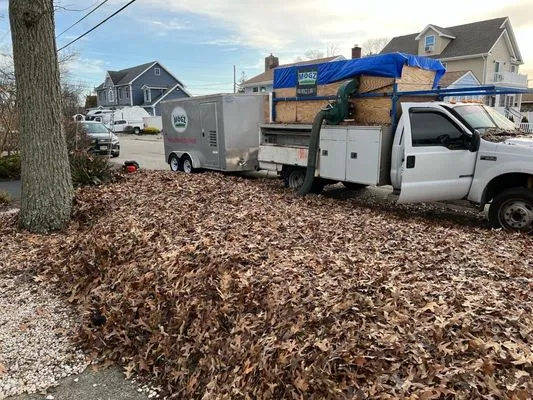
Mogz Lawn And Landscape is a second-generation, family-owned business with deep roots in Osbornville and the Jersey Shore, proudly serving the community for over 25 years. Founded on a legacy of skill...
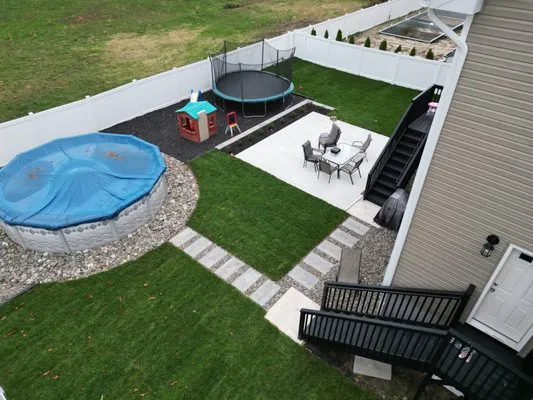
Panagos & Co Landscaping is a Bayville-based company specializing in comprehensive landscape construction and maintenance for Ocean and Monmouth County residents. With expertise in artificial turf, ma...
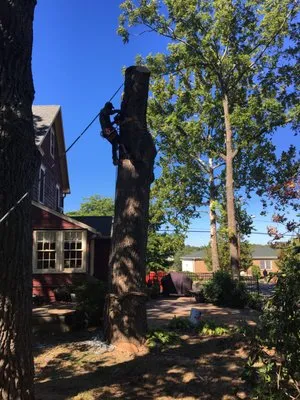
Puebla Tree Service is a trusted, locally-owned tree care and landscaping company serving Howell, NJ, and the surrounding communities. We specialize in comprehensive tree care services and professiona...
Estimated Landscaping Service Costs in South Belmar, NJ
Q&A
Our yard pools water after heavy rain. What's the best fix for our high water table?
Ponding indicates surface saturation common in coastal areas with a high water table. The solution integrates grading and permeable materials. Regrading to create subtle swales directs water away from foundations. Replacing impervious surfaces with permeable concrete pavers allows stormwater to infiltrate directly into the sandy subsoil, meeting borough runoff reduction standards. For chronic issues, a French drain system may be necessary to intercept subsurface water.
We're adding a patio. Why are permeable pavers recommended over wood or traditional concrete here?
Permeable concrete pavers offer superior longevity and site-specific utility for South Belmar. Unlike wood, they resist rot, insect damage, and require no sealing, while their permeability directly mitigates local flood risk by managing runoff. They also maintain a non-combustible, defensible space relevant for any coastal property. The initial investment yields a permanent, low-maintenance structure that performs better than traditional impervious concrete in our environment.
We want to regrade our small backyard. What permits and contractor credentials are required?
Any significant regrading that alters water flow or involves moving more than a few cubic yards of soil typically requires a permit from the South Belmar Zoning & Construction Office. Crucially, the contractor must hold a valid Home Improvement Contractor license from the NJ Division of Consumer Affairs. On a 0.12-acre lot, improper grading can adversely affect neighboring properties, making licensed, insured professionals essential for ensuring the work meets code and avoids liability.
Our 1950s Lake Como neighborhood has old, tired-looking soil. What's likely going on under our lawns?
Lawns in this district were established on the site's native sandy loam around 75 years ago. Without regular organic input, this soil has likely become compacted and depleted of microbial life, limiting percolation and root growth. A core aeration program is critical to relieve compaction, followed by top-dressing with compost to rebuild organic matter and cation exchange capacity. This addresses the inherent low nutrient-holding quality of sandy soils, setting the stage for healthier turf without excessive fertilizer.
With voluntary water conservation, how do we keep our Tall Fescue blend green all summer?
Wi-Fi ET-based irrigation controllers are the definitive solution. They automatically adjust runtime by downloading local evapotranspiration data, applying only the precise water lost to atmosphere and plant use. This system can reduce water use by 20-40% compared to standard timers, keeping turf healthy within Stage 1 conservation goals. Deep, infrequent watering cycles programmed by the controller encourage deeper root growth, further improving drought tolerance in your sandy loam soil.
A storm just downed a tree limb. How fast can a crew get here for an emergency cleanup?
For urgent safety hazards, a certified crew can typically be dispatched within the hour. The primary dispatch route from South Belmar Borough Hall uses NJ-35, allowing for an estimated 20-30 minute arrival to the Lake Como Residential District under normal conditions. All equipment is electric-compliant for noise ordinances, enabling work to commence immediately upon arrival within legal hours to secure the property and clear debris.
We have an invasive vine taking over a bed. How do we remove it without breaking fertilizer laws?
First, identify the vine; common culprits like Japanese Honeysuckle or Oriental Bittersweet require persistent mechanical removal, digging out all root material. For herbicide use, select a targeted, systemic product applied directly to the foliage, strictly following label instructions to avoid off-target damage. This spot-treatment method is compliant with NJ's Fertilizer Law, which restricts broad, non-specific soil applications and has specific annual blackout dates for nutrient applications.
We're tired of weekly mowing and gas blower noise. Is there a lower-maintenance, quieter alternative?
Transitioning sections of high-input turf to a landscape of native Coastal Panic Grass, Beach Plum, and Butterfly Milkweed creates a resilient, low-water habitat. Once established, these plants require no irrigation, rare mowing, and no leaf blowing, aligning with evolving Sunday gas-equipment prohibitions. This biodiverse planting supports local pollinators, reduces your carbon footprint, and provides year-round visual interest with significantly less labor and noise.
