Top Landscaping Services in Secaucus, NJ, 07047 | Compare & Call
There are 98 landscaping companies server in Secaucus NJ
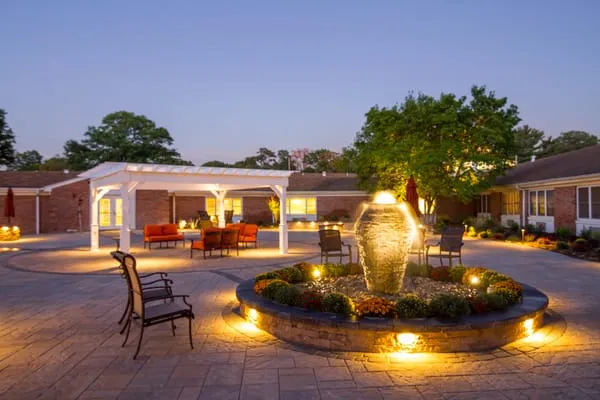
Monello Landscape Industries
Monello Landscape Industries is a Wayne, NJ-based landscaping company with over 25 years of experience serving residential and commercial clients throughout New Jersey. Founded by Joe Monello, who hol...
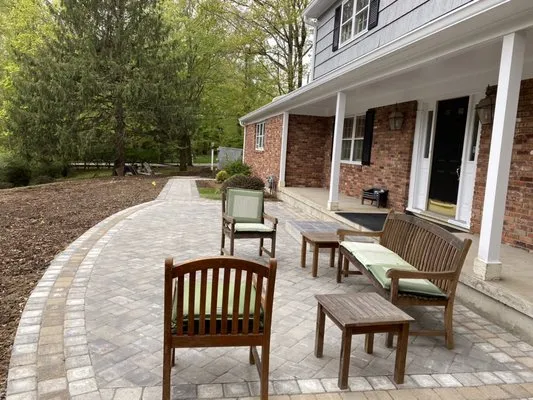
Sebastian Construction
Sebastian Construction is a second-generation family-owned construction business serving Ramsey, NJ, and the tri-state area. Founded with expertise in homebuilding and additions, we've expanded to bec...
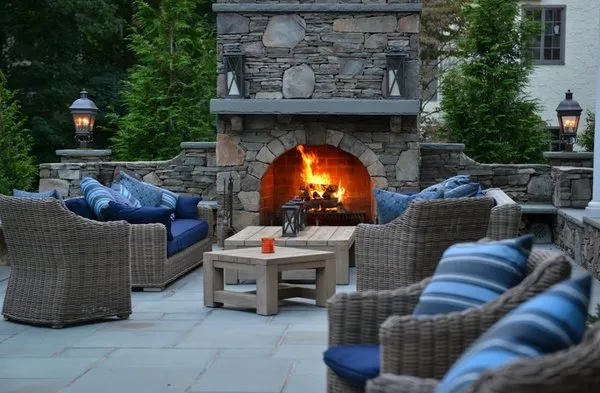
Scenic Landscaping
Scenic Landscaping is a Haskell, NJ-based landscaping company founded in 1975 by Mitchell Knapp. Starting with just a pickup truck and lawn mower, Mitch has grown the business into an award-winning de...
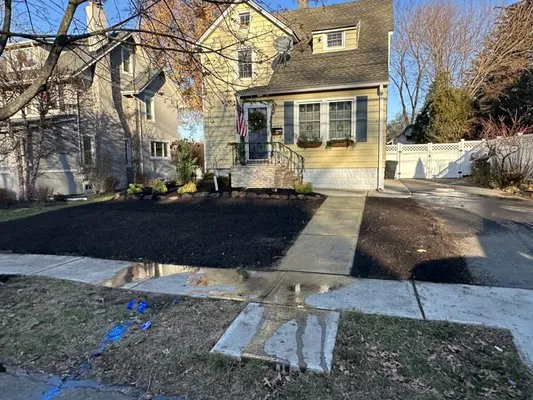
D&F Landscaping is a family-owned and operated business serving Westwood, NJ, with comprehensive landscaping, snow removal, and tree care services. Fully insured and licensed, we treat every property ...
MASA Landscape and Construction
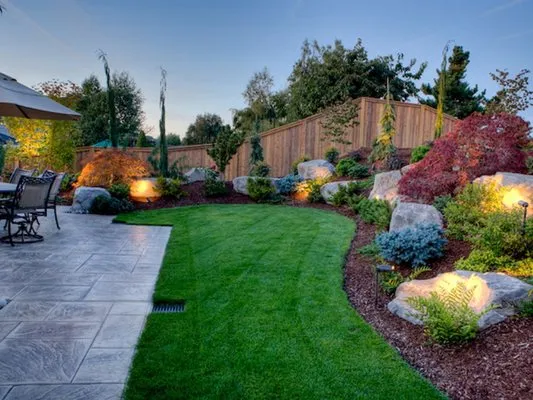
MASA Landscape and Construction is a family-owned and operated business serving Little Ferry and Bergen County, New Jersey, with over 10 years of experience in comprehensive landscaping solutions. We ...
Immanuel Lawn Care and Cleaning Services
Immanuel Lawn Care and Cleaning Services is a locally-owned and operated business in Secaucus, NJ, dedicated to keeping your property well-maintained year-round. We provide essential lawn care service...
M A Landscaping is a trusted local landscape design firm serving West New York, NJ. We specialize in creating beautiful, functional outdoor spaces tailored to the specific needs of our community. Many...
Home Concepts by JD is a trusted Secaucus-based contractor specializing in landscaping, electrical work, and general contracting. We help local homeowners tackle common yard drainage issues like stand...
Estimated Landscaping Service Costs in Secaucus, NJ
Q&A
What permits and licenses are needed for grading my property?
Grading work on 0.15-acre Secaucus lots requires permits from the Secaucus Building Department for any elevation changes exceeding 6 inches. Contractors must hold licenses through the New Jersey Board of Examiners of Master Plumbers for drainage system installations or the NJ Division of Consumer Affairs for general landscaping work. These requirements ensure proper water flow management and prevent downstream flooding in Town Center's dense development. Professional documentation includes engineered grading plans and soil erosion control measures during construction.
Can I reduce lawn maintenance while supporting local ecology?
Replacing high-maintenance turf with New England Aster, Joe-Pye Weed, and Switchgrass creates pollinator habitat while eliminating weekly mowing requirements. These native species establish deep root systems that improve soil structure and drought tolerance. Transitioning to electric maintenance equipment aligns with Secaucus noise ordinance restrictions on gas-powered leaf blowers. This approach reduces water consumption by 60-75% compared to traditional turfgrass while providing year-round visual interest.
What solutions exist for tidal flooding risks in my yard?
High water table conditions in Secaucus's Fluvaquents soil require graded swales directing runoff toward rain gardens planted with Swamp Milkweed and Switchgrass. Permeable concrete pavers meet Secaucus Building Department runoff standards by allowing 3-5 inches per hour infiltration rates. French drain systems with clean stone aggregate provide subsurface drainage paths during tidal events. These approaches reduce standing water while supporting soil structure through controlled moisture management.
How do I maintain my lawn during Stage 1 water restrictions?
Wi-Fi ET-based weather sensing irrigation systems adjust watering schedules according to actual evapotranspiration rates and municipal conservation guidelines. These systems preserve Kentucky Bluegrass and Tall Fescue blends while reducing water usage by 25-40% compared to traditional timers. Programming accounts for Secaucus's USDA Zone 7b climate patterns and soil moisture retention characteristics. Regular system audits ensure uniform distribution and prevent runoff violations during voluntary conservation periods.
Are permeable pavers better than wood for Secaucus patios?
Permeable concrete pavers provide 25+ year longevity in USDA Zone 7b conditions, compared to wood's 8-12 year lifespan with regular maintenance. Their 95% permeability rate manages runoff during high water table events while meeting Low Fire Wise Rating requirements for defensible space. Installation over engineered aggregate bases prevents frost heave damage common in Secaucus's freeze-thaw cycles. This hardscape material requires minimal maintenance while supporting municipal stormwater management goals.
How do I control invasive species without violating fertilizer laws?
Japanese knotweed and mugwort present the highest invasive risks in Secaucus's Urban Fill soils, requiring targeted herbicide applications before seed set in late summer. Treatment timing avoids NJ Fertilizer Law blackout periods from December 1 through March 1. Soil testing determines phosphorus deficiency before any supplemental fertilization, as required by state regulations. Mechanical removal combined with mycorrhizae-inoculated native plantings creates competitive environments that suppress reinfestation.
How quickly can you respond to storm damage for HOA compliance?
Emergency cleanup crews dispatch from Buchmuller Park via NJ-3, arriving at Town Center properties within 20-30 minutes during peak response windows. Our electric maintenance fleet operates within Secaucus noise ordinance restrictions for gas-powered equipment during summer months. We prioritize debris removal from permeable concrete paver surfaces to prevent drainage system blockages. Documentation for HOA compliance includes timestamped arrival photos and storm damage assessment reports.
Why does my Secaucus lawn have drainage issues and compacted soil?
Secaucus Town Center lots built around 1978 have soil that's approximately 48 years old, consisting of Urban Fill/Fluvaquents with pH 6.5-7.2. This soil type develops poor structure over decades, leading to reduced percolation rates and surface compaction. Core aeration with organic amendments like composted leaf mold improves soil permeability and microbial activity. Regular soil testing every 2-3 years helps maintain optimal pH balance for turfgrass and native plant establishment.
