Top Landscaping Services in Seaside Park, NJ, 08752 | Compare & Call

There are 183 landscaping companies server in Seaside Park NJ
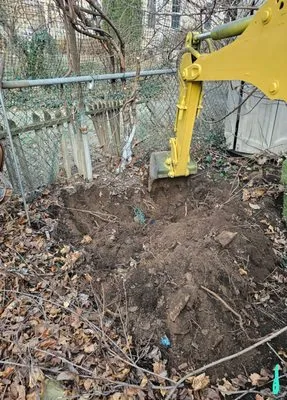
Supreme Excavating
Supreme Excavating is your local partner for earthmoving, site preparation, and equipment rental in Woodbridge, NJ. We focus on providing reliable, compact heavy-duty machinery and skilled excavation ...
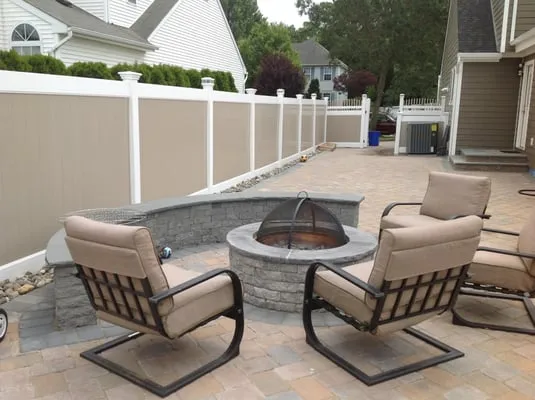
Sanchez Landscaping is a trusted, family-owned landscaping company serving Jamesburg and the surrounding communities since 2002. Founded on a commitment to quality and customer service, we've grown fr...
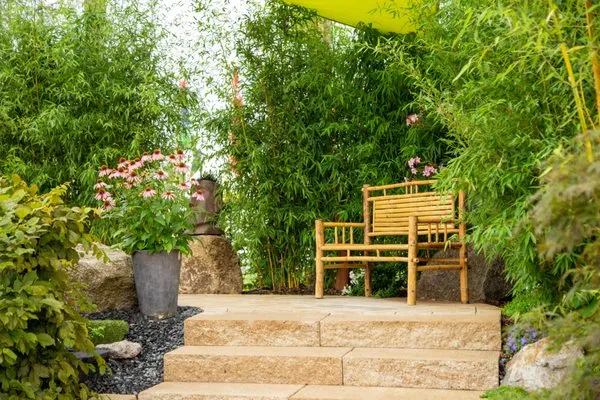
Artistic Bamboo
Artistic Bamboo in Edison, NJ, specializes in creating beautiful, sustainable bamboo landscapes. Founded from a personal passion for bamboo, we started by installing our own backyard hedge when local ...
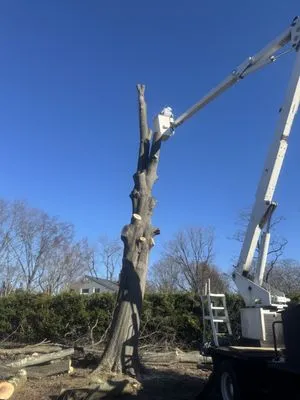
For over 15 years, Garcia & Sons Landscaping has been a trusted partner for homeowners in Tinton Falls, NJ, transforming outdoor spaces with integrity and skill. As a local, family-operated business, ...
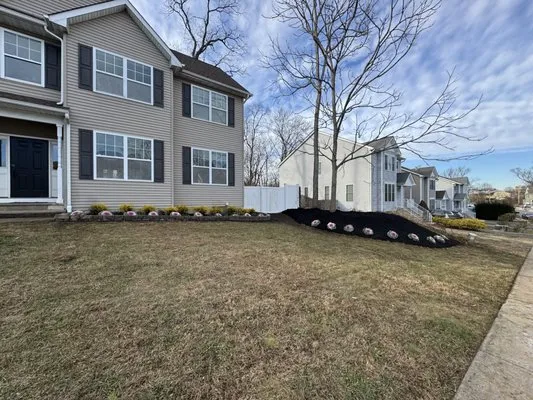
R&M Landscape & Design
R&M Landscape & Design is a locally owned and operated landscaping company serving Lakewood, NJ, and surrounding Ocean and Monmouth Counties. Founded with a vision to transform outdoor spaces into bea...
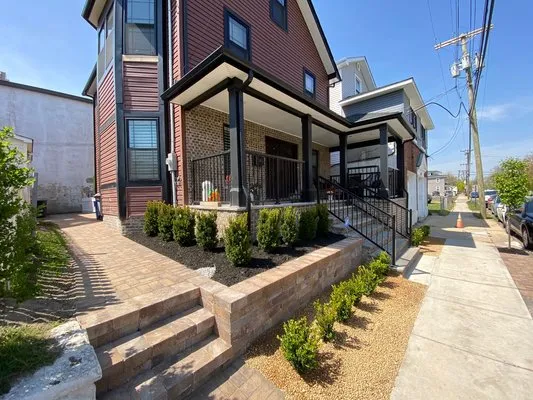
NUNEZLandscaping is a full-service contractor serving Asbury Park, NJ, specializing in masonry, concrete, landscaping, and gutter services. We understand local challenges like lawn fungus and damaged ...
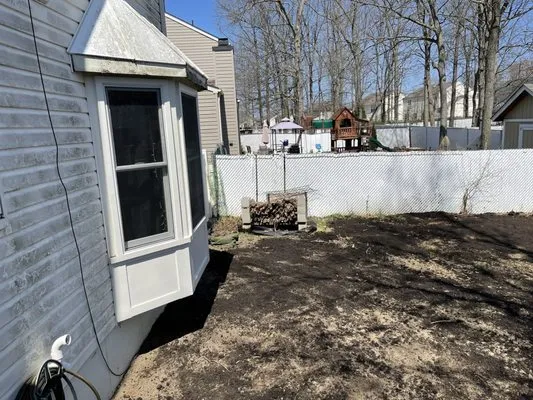
Miller's Landscaping
Miller's Landscaping is a family-owned landscaping business serving Sewell, NJ, and surrounding communities. We specialize in comprehensive landscape solutions including design, construction, maintena...
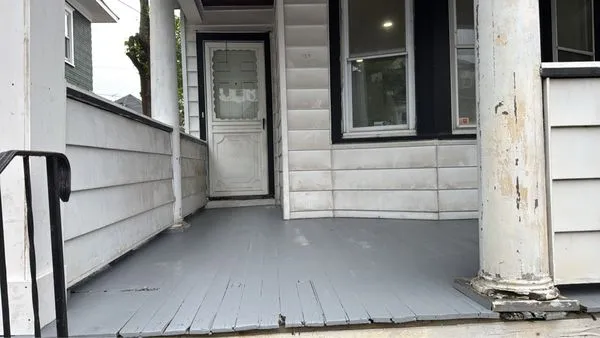
Perez Home Improvement and Landscaping LLC is a dedicated home renovation and landscaping service based in Howell Township, NJ, with over 15 years of experience. We specialize in a wide range of servi...

Elite Landscaping has been enhancing outdoor spaces in Winslow, NJ and throughout South Jersey for over 30 years. Founded by master gardener Dave Feast, this licensed, bonded, and insured firm special...
RPM Landscape Contractor
RPM Landscape Contractor has been a trusted, family-owned landscaping partner in Folsom and South Jersey since 2006. We are a fully licensed and insured contractor, holding a NJ DEP Pesticide Business...
Estimated Landscaping Service Costs in Seaside Park, NJ
Questions and Answers
Should we use permeable pavers or wood for our new patio considering fire safety and longevity?
Permeable concrete pavers provide 40-year lifespans versus wood's 15-year maximum in coastal environments. Their non-combustible composition meets Moderate Fire Wise Rating requirements for Zone 2 defensible space, maintaining 30-foot clearance from structures. Interlocking designs accommodate soil movement without cracking, while 5-millimeter joints allow 800 inches per hour drainage. Unlike wood, they resist salt corrosion and require only annual sweeping with biodegradable cleaners to maintain permeability above 4 inches per hour.
What permits and licenses are needed for regrading our small lot?
Grading projects on 0.12-acre lots require Seaside Park Building Department permits demonstrating drainage calculations and erosion control measures. New Jersey Division of Consumer Affairs licensing mandates landscape contractors hold Home Improvement Registration for projects exceeding $500. Soil movement exceeding 10 cubic yards triggers NJDEP land disturbance permits, while retaining walls over 4 feet need engineered designs. Professionals must carry general liability insurance with $1 million coverage and workers' compensation for all employees on site.
We've spotted invasive Japanese knotweed. How do we treat it without violating fertilizer regulations?
Japanese knotweed requires glyphosate application during active growth phases between April and October, avoiding the December 1-March 1 blackout period for fertilizer applications. Spot treatments using 2% solutions prevent collateral damage to Beach Plum and Seaside Goldenrod plantings. Follow-up monitoring for three growing seasons ensures complete rhizome eradication, as fragments regenerate from 0.7-ounce remnants. All treatments comply with NJ Fertilizer Law's phosphorus restrictions and require licensed applicator documentation.
We want to reduce mowing and gas equipment use. What native alternatives work in our neighborhood?
Replacing 500 square feet of turf with Beach Plum, Seaside Goldenrod, and Switchgrass establishes self-sustaining ecosystems requiring only annual maintenance. These natives develop deep root systems accessing subsurface moisture, eliminating summer irrigation needs. Bayberry's waxy foliage provides year-round structure while supporting 42 local pollinator species. Transitioning to electric maintenance equipment avoids decibel limit violations under the 8am-8pm ordinance while meeting 2026 biodiversity standards for coastal habitats.
Our yard floods during coastal storms. What solutions work with Seaside Park's sandy soil and permit requirements?
Sandy loam's moderate permeability becomes overwhelmed during storm surge events, requiring graded swales directing water toward rain gardens planted with salt-tolerant natives. Permeable concrete pavers installed over 12-inch aggregate bases achieve 5-inch-per-hour infiltration rates, meeting Building Department runoff standards for 0.12-acre lots. French drains wrapped in non-woven geotextile prevent sand clogging while handling 10 gallons per minute flow capacity. These systems reduce saline inundation damage by diverting water within 30 minutes of peak rainfall.
How can we maintain our Tall Fescue and Kentucky Bluegrass lawn during Stage 1 water restrictions?
Smart Wi-Fi controllers with ET-based scheduling reduce water use 30-40% while preserving turf health. These systems calculate daily evapotranspiration rates specific to Seaside Park's coastal microclimate, applying 0.75 inches weekly during peak demand instead of fixed schedules. Deep, infrequent watering at dawn encourages root development to 8-inch depths, improving drought tolerance. Municipal compliance requires rain sensors and flow monitoring to stay within voluntary conservation targets of 25% reduction from baseline.
We need emergency storm cleanup before an HOA inspection tomorrow. What's the fastest response time we can expect?
Emergency crews dispatch from the Seaside Park Boardwalk area via Garden State Parkway, maintaining 20-30 minute response windows during peak conditions. Teams coordinate with municipal stormwater management to prioritize properties showing active drainage impairment or safety hazards. Electric equipment fleets operate within the 8am-8pm noise ordinance while handling debris volumes typical of 0.12-acre lots. Documentation for HOA compliance includes before/after photos and disposal receipts from licensed transfer stations.
Our Seaside Park Central yard has been struggling with drainage and poor grass growth. Could this be related to the age of our property?
Properties built around 1956 have 70-year-old soil systems that often exhibit compaction and nutrient depletion. In Seaside Park's sandy loam soil, decades of foot traffic and minimal organic input reduce permeability to 0.5 inches per hour, well below the 2 inches ideal for turfgrass. Core aeration every fall introduces oxygen channels while incorporating composted leaf mold addresses the pH 6.2-6.8 range's tendency toward nutrient leaching. These interventions rebuild soil structure without requiring complete renovation.
