Top Landscaping Services in Seaside Heights, NJ, 08751 | Compare & Call
There are 156 landscaping companies server in Seaside Heights NJ
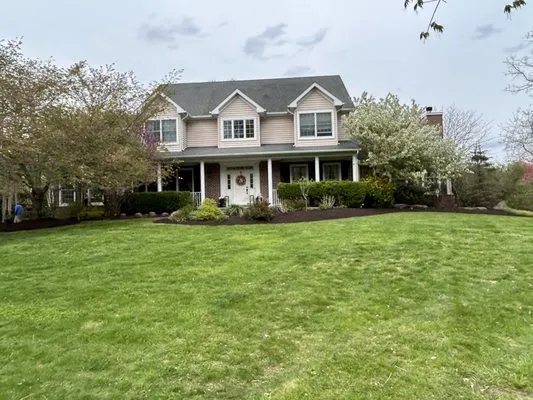
Bravo Lawn & Landscaping is a Toms River-based landscaping company dedicated to creating and maintaining beautiful, healthy outdoor spaces for local homeowners. We specialize in comprehensive landscap...
TR Landscaping is a trusted local landscaping company serving Toms River, NJ, specializing in comprehensive lawn and shrub care. We help homeowners tackle common local issues like bare lawn patches an...
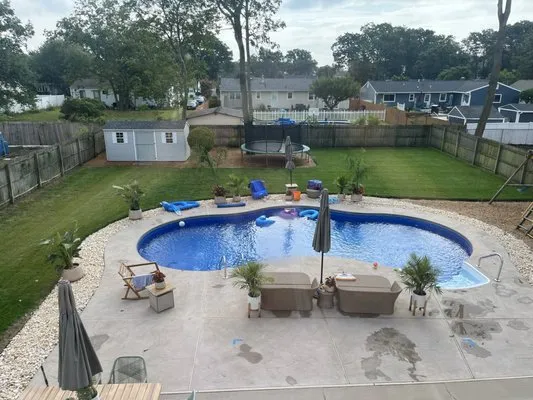
First Round Landscaping is a locally owned and operated landscaping company serving Brick, NJ and the surrounding area. We provide comprehensive outdoor solutions including professional landscaping, h...
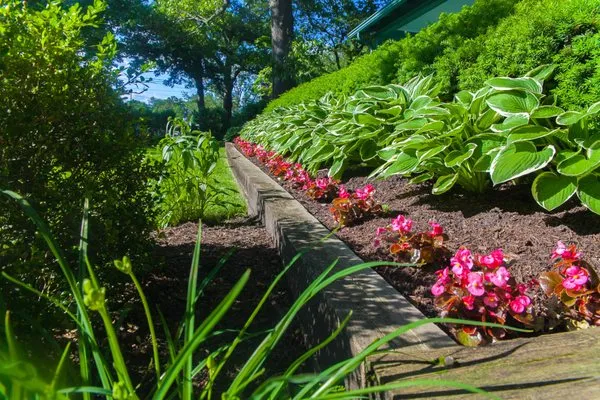
Lawn Gevity Landscaping
Lawn Gevity Landscaping has been transforming outdoor spaces in Toms River and throughout Ocean and Monmouth Counties since 1988. Founded by Thomas Brown, this licensed and insured company brings over...

The 200 Club Of Ocean County
Twinn Cedars Landscape has been building and enhancing outdoor spaces in the Lavallette and greater Ocean County area for over 23 years. This locally owned and operated company specializes in transfor...
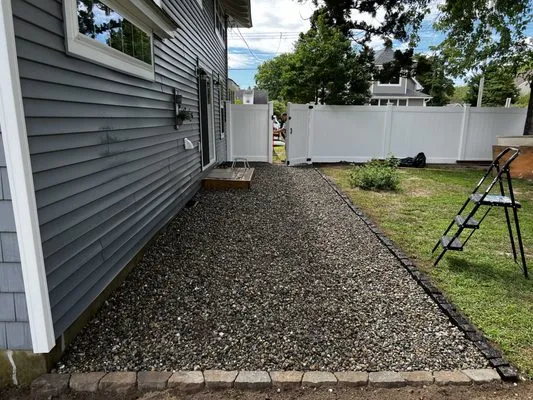
North Bay Landscape & Design
North Bay Landscape & Design is a fully licensed and insured landscape architecture and construction firm serving Toms River, NJ. We specialize in transforming outdoor spaces from concept to completio...
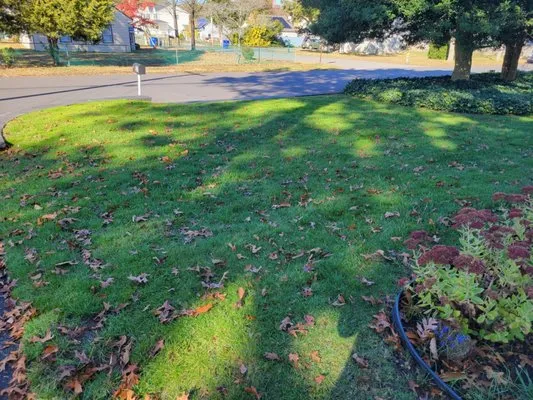
Morgans Irrigation is a family-owned and operated irrigation service based in Beachwood, NJ, established in 2020. With over a decade of experience, we specialize in designing, installing, and maintain...
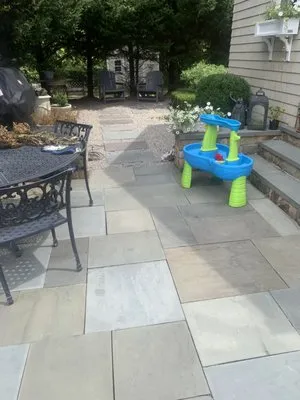
MG Pressure Washing & Landscaping is a Toms River-based family business that has been serving the local community for over a year. We specialize in both landscaping and pressure washing, offering a co...
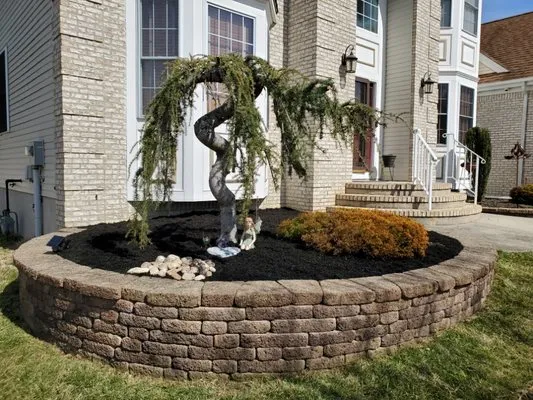
Atlantic Home Services is a family-owned and operated landscape maintenance company serving Ocean County, New Jersey. We focus on tailoring our services to meet the specific landscape needs of each cu...
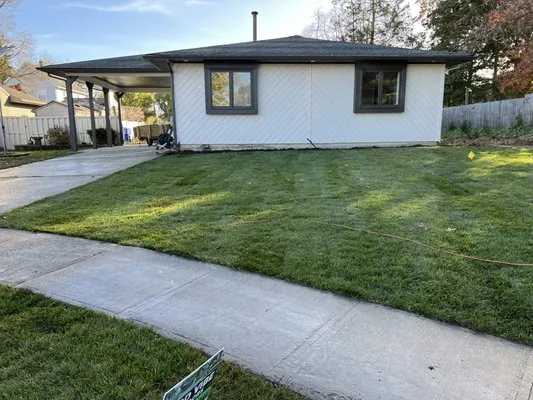
Ocean County Sod is a family-owned and operated business with deep roots in Ocean County, NJ. Founded as a farm specializing in turf suited for the New Jersey climate, we've grown into a trusted provi...
Estimated Landscaping Service Costs in Seaside Heights, NJ
FAQs
Our yard pools water in some spots but seems dry elsewhere. What's wrong?
This is a classic symptom of poor grading on Coastal Sandy Loam, which has uneven permeability and high leaching risk. Surface water may pool in compacted depressions while the surrounding soil drains too quickly. Regrading to ensure a minimum 2% slope away from foundations is essential. For new patios or walkways, using Permeable Concrete Pavers creates a managed infiltration system that meets Seaside Heights Building and Zoning Department runoff standards by allowing water to percolate into the subsoil.
What permits and credentials should we verify before hiring for a regrading project?
Any contractor altering drainage or grade on a 0.08-acre lot must be licensed by the New Jersey Division of Consumer Affairs as a Home Improvement Contractor. The Seaside Heights Building and Zoning Department typically requires a permit for significant earthmoving or changes to stormwater flow patterns. Hiring a licensed professional ensures the work meets municipal codes, protects you from liability, and addresses the critical permeability and leaching risks of Coastal Sandy Loam soils.
Our lawn seems thin and drains too fast. Did previous owners damage the soil?
Properties in Seaside Heights Central District built around 1971, like yours, have 55-year-old landscapes on Coastal Sandy Loam. This soil naturally has low organic matter and high permeability. Decades of foot traffic and conventional maintenance have likely compacted the surface layer while leaching nutrients, creating a paradox of poor water retention and rapid runoff. Core aeration and incorporating compost are critical to rebuild soil structure and increase the cation exchange capacity for healthier plant growth.
How do we keep our Tall Fescue and Kentucky Bluegrass blend green during voluntary water restrictions?
Stage 1 voluntary conservation in Seaside Heights requires efficient water use. Smart Wi-Fi ET-based irrigation controllers are the solution, programming schedules based on real-time evapotranspiration data from local weather stations. This system applies water only when the turfgrass blend genuinely needs it, preventing overwatering that exacerbates nutrient leaching in sandy soils. This method maintains turf health while aligning with municipal water conservation goals.
A storm knocked down branches. How quickly can a crew respond for an emergency cleanup?
For urgent HOA compliance or safety issues, we prioritize dispatch from our central yard near the Seaside Heights Boardwalk. Using the Garden State Parkway, our electric fleet can typically navigate to the Central District within the 20-30 minute peak storm response window. We coordinate all work within the local noise ordinance, restricting loud operations to hours outside of 8:00 PM to 8:00 AM.
What are the most aggressive weeds here, and how do we treat them safely?
In this zone, invasive species alerts commonly include Mugwort, Japanese Knotweed, and Purple Loosestrife. Treatment requires an integrated approach: manual removal for small infestations and targeted, professional-grade herbicide application for larger ones, strictly following label instructions. Crucially, any fertilizer used in conjunction with rehabilitation must comply with NJ state law, which limits nitrogen to 0.7 lbs per 1000 sq ft per application and prohibits phosphorus unless a soil test confirms a deficiency.
Is a wooden deck or a paver patio better for our backyard near the boardwalk?
Permeable Concrete Pavers offer superior longevity and lower lifecycle maintenance compared to wood in the coastal environment. They resist salt spray corrosion, insect damage, and rot. From a Fire Wise perspective, the Moderate rating for this coastal interface zone recommends creating defensible space. Pavers provide a non-combustible surface that can help slow fire spread, whereas wood decking constitutes a continuous fuel source. Pavers also mitigate the drainage hazards inherent to sandy sites.
We're tired of weekly mowing. Are there lower-maintenance, eco-friendly options?
Yes. Transitioning high-input turf areas to a matrix of native plants like Beach Plum, Seaside Goldenrod, and Switchgrass significantly reduces maintenance. These species are adapted to local salt, wind, and drought, requiring no fertilization and minimal watering once established. This shift also future-proofs your property against evolving noise ordinances that restrict gas-powered blowers and mowers, as native plant beds need only occasional manual trimming or electric tool care.
