Top Landscaping Services in Sea Isle City, NJ, 08243 | Compare & Call
There are 101 landscaping companies server in Sea Isle City NJ

Steiger's Lawn Care is a licensed and insured landscaping company serving Wildwood Crest and Cape May County, NJ. We specialize in comprehensive landscape services including irrigation design, landsca...
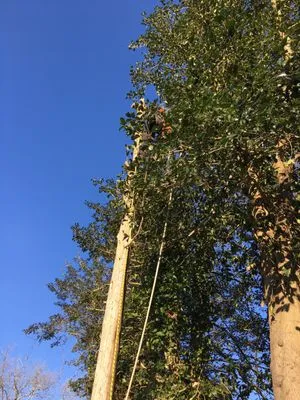
Veteran Property Control LLC is a Somers Point-based business founded in 2019 by Chris Martin, a U.S. Army veteran, arborist, and Gracie jiu-jitsu instructor. Driven by a passion for the outdoors and ...
Sea Isle Weed Control is a locally owned and operated pest and lawn service in Sea Isle City, NJ, founded by an owner with over 20 years of experience in the industry. Previously building a successful...
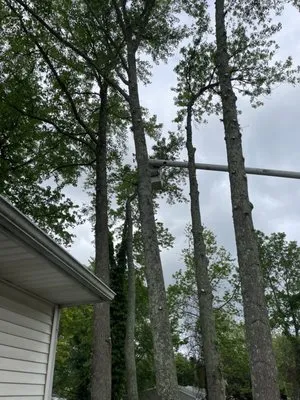
Menear's Landscaping & Tree Service has been caring for Cape May County's trees and landscapes since 1965, making us the area's oldest tree service company. As a fully insured local business, we provi...
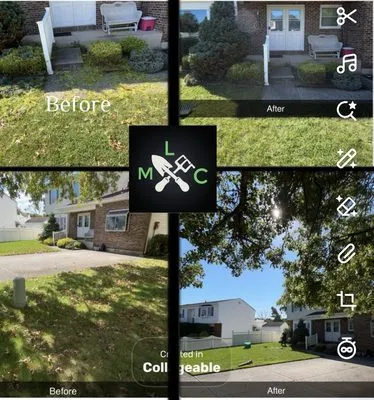
Mainland Lawn Care is a locally owned and operated landscaping business in Somers Point, NJ, founded by Matt, a Mainland Regional High School senior, and his friend. With years of hands-on experience ...
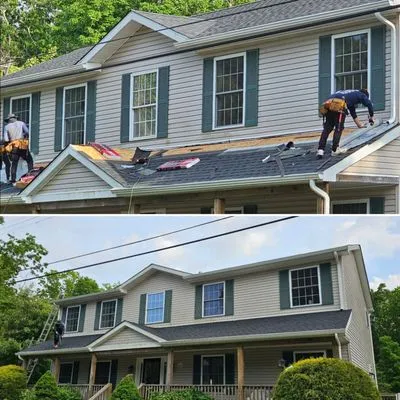
Elite Exterior Contracting has been a trusted family-owned and operated business serving Margate City, NJ, and surrounding communities since 1992. For over 30 years, we've specialized in roofing, sidi...

Bobby B’s Homescape Solutions is a trusted local provider in Mount Laurel Township, NJ, dedicated to keeping your property looking its best year-round. We understand that many area homes struggle with...
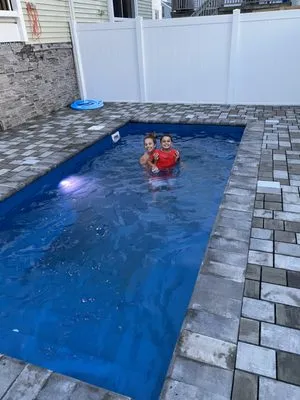
Evergreen Landscaping
Evergreen Landscaping is a trusted, licensed provider serving Cologne and the surrounding South Jersey communities. We believe in creating functional and beautiful outdoor spaces that stand up to loca...
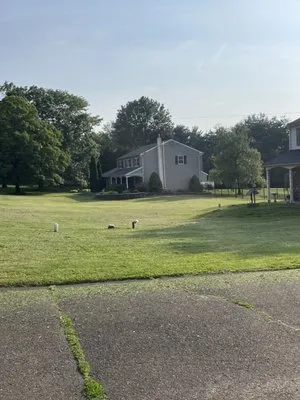
JC’s Landscaping is a dedicated local landscaping company serving the Ocean View, NJ community. We specialize in expert shrub care and landscape maintenance, offering services like planting, pruning, ...
New Life Landscaping & Contracting
New Life Landscaping & Contracting has been serving Central and Southern New Jersey since 2003, bringing over a decade of expertise to both residential and commercial projects in Mullica Hill and surr...
Estimated Landscaping Service Costs in Sea Isle City, NJ
Common Questions
What permits and licenses are needed for grading work on our 0.12-acre lot?
Grading that alters drainage patterns or elevation by more than 6 inches requires a permit from the Sea Isle City Construction Office. Contractors must hold New Jersey Division of Consumer Affairs Home Improvement Contractor licensing, which includes specific bonding and insurance requirements. On 0.12-acre lots, even minor grading can affect neighboring properties' drainage, so engineered plans demonstrating compliance with municipal codes are typically necessary before work begins.
Our property experiences saltwater intrusion during high tides. What drainage solutions work best?
Coastal sandy loam soils have high permeability but limited salt tolerance. Permeable concrete pavers create a surface that allows rapid infiltration while filtering salt content from runoff. We design swales with 1-2% slope toward rain gardens planted with salt-tolerant natives. These systems must meet Sea Isle City Construction Office runoff standards, typically requiring engineered plans for properties in high tidal inundation zones.
Should we use permeable pavers or wood for our new patio in this coastal environment?
Permeable concrete pavers outperform wood in Sea Isle City's salt-air environment, with 25+ year lifespans versus wood's 8-12 years with constant maintenance. The pavers' 95% permeability rate meets municipal runoff requirements while creating defensible space important for Moderate Coastal WUI fire ratings. Their thermal mass moderates microclimate temperatures, and they resist salt corrosion better than pressure-treated wood or composite materials.
Our Townsend Inlet property has sandy soil that drains too fast. What's the best approach for improving it?
Sea Isle City's coastal sandy loam soil naturally has low organic matter and poor water retention. With houses averaging 36 years old since 1990, soil structure has likely degraded without proper amendments. Core aeration followed by compost incorporation increases microbial activity and nutrient-holding capacity. For pH 6.2-6.8 soils, adding mycorrhizae inoculants enhances root development while maintaining proper drainage characteristics.
We want to reduce maintenance while supporting local ecology. What native plants thrive here?
Replacing high-maintenance turf with Coastal Panic Grass, Beach Plum, Seaside Goldenrod, and Bayberry creates habitat while reducing water and chemical inputs. These species have evolved for Sea Isle City's coastal conditions, requiring no fertilization and minimal irrigation once established. Transitioning to electric equipment ahead of potential gas-blower restrictions supports both noise ordinance compliance and carbon reduction goals.
How can we maintain our Tall Fescue/Kentucky Bluegrass blend during Stage 1 water restrictions?
Wi-Fi ET-based weather sensing irrigation calculates evapotranspiration rates specific to Sea Isle City's microclimate. This system adjusts watering schedules daily, applying only the moisture turfgrass actually needs. During voluntary conservation periods, we program deeper, less frequent cycles that encourage deeper root growth. This approach typically reduces water use 25-30% while preserving turf health through summer stress periods.
We need emergency storm cleanup to meet HOA compliance deadlines. What's your response protocol?
Emergency dispatch routes from the Sea Isle City Municipal Building via Garden State Parkway to Townsend Inlet typically require 20-30 minutes during peak conditions. Our electric maintenance fleet operates within 8:00 AM to 8:00 PM noise ordinance windows while providing rapid debris removal. We prioritize safety assessments before clearing tidal inundation zones, coordinating with local authorities for access to affected properties.
We've spotted invasive Japanese knotweed. How do we treat it without violating fertilizer laws?
Japanese knotweed requires targeted herbicide application during active growth periods, avoiding NJ Fertilizer Law blackout dates when nitrogen and phosphorus applications are prohibited. We use cut-stem treatments with glyphosate formulations specifically labeled for coastal environments. Follow-up monitoring for 2-3 growing seasons is essential, as rhizomes can persist in sandy soils. Always coordinate treatment timing with the plant's phenology rather than calendar dates.
