Top Landscaping Services in Scotch Plains, NJ, 07076 | Compare & Call
There are 168 landscaping companies server in Scotch Plains NJ

Caffrey Tree & Landscape
Caffrey Tree & Landscape has been a trusted name in Scotch Plains, NJ, and surrounding communities since 1978. Our team of certified ISA and LTE arborists provides comprehensive tree care and landscap...
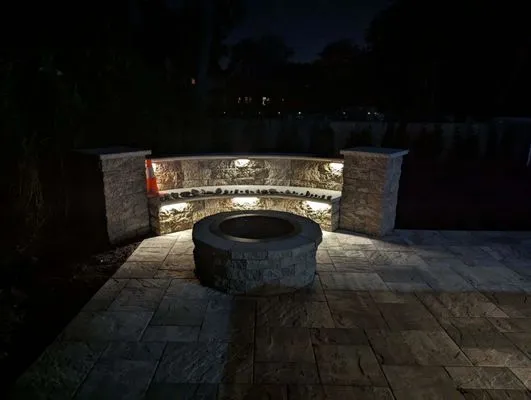
The Contractors Group is a family-owned and operated construction business proudly serving Westfield, NJ, and the surrounding communities. Founded and led by Jose Calle, our team is built on a foundat...
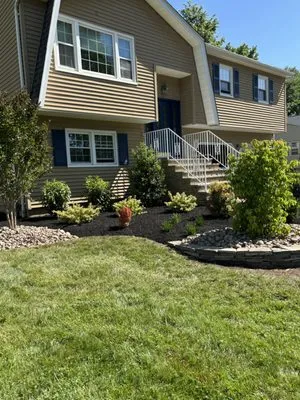
Stephen Bolesta started his landscaping career at age 21, using earnings from lawn mowing to buy equipment and quickly becoming his neighborhood's go-to professional. Throughout his early 20s, he hone...
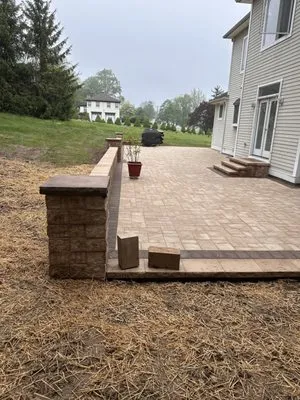
H&J Landscaping and Construction brings outdoor visions to life for homeowners and businesses throughout West Orange, Essex County, and Northern New Jersey. As a local, full-service firm, we combine e...
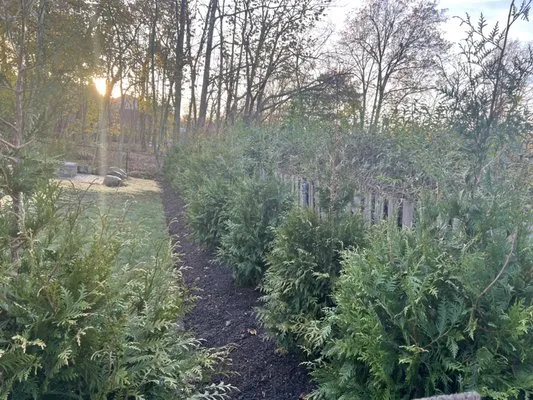
J Campos Landscaping & Construction LLC is a licensed and insured landscaping and construction company based in Stirling, New Jersey. Founded in 2012 with a vision to enhance outdoor spaces, we expand...
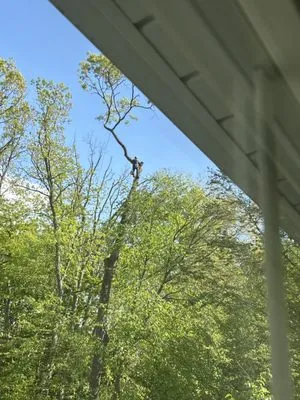
Genie Tree Service is a licensed and insured, family-owned company serving New Brunswick, NJ. We offer comprehensive tree care, landscape construction, and hardscaping, from emergency tree removal to ...
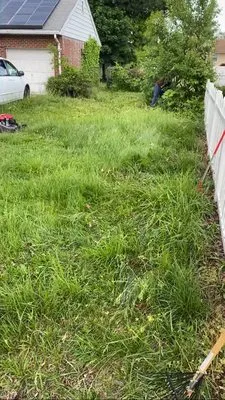
C-ROC City Lawn Service is a locally owned and operated landscaping company serving residential and commercial clients throughout Edison and Middlesex County, NJ. With expertise in lawn care, tree ser...
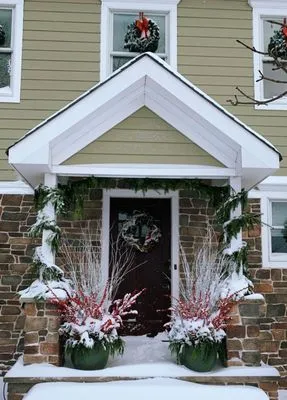
W Hendershot Landscape Design
W Hendershot Landscape Design is a family-rooted landscape architecture and construction firm serving Warren, NJ, and the surrounding areas. Owner Will Hendershot blends generations of horticultural k...
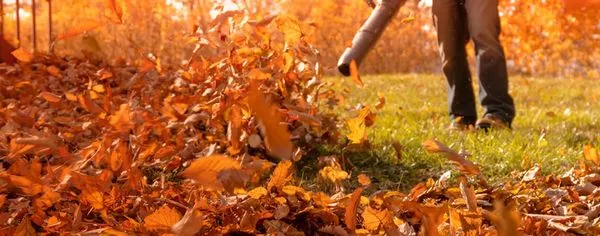
Garden Lawn Maintenance is a Bridgewater-based landscaping company with 14 years of experience serving the Central Jersey area, including Plainfield. We provide comprehensive lawn care and hardscaping...
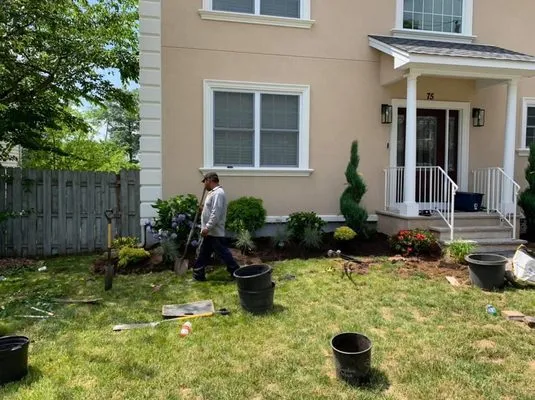
Edi Landscaping is a family-owned business deeply rooted in the New Brunswick community. We approach every project, from intricate landscape design to essential lawn maintenance, with the care and att...
Estimated Landscaping Service Costs in Scotch Plains, NJ
Frequently Asked Questions
What permits and licenses are needed for regrading my 0.35-acre property?
Regrading a 0.35-acre lot in Scotch Plains requires a land disturbance permit from the Department of Planning & Community Development, with engineered drainage plans for slopes exceeding 15%. Contractors must hold New Jersey Division of Consumer Affairs Home Improvement Contractor licensing, which mandates insurance coverage for earthwork affecting property lines. This ensures compliance with sediment control regulations and protects against liability from runoff affecting neighboring parcels.
What solutions work for yards with constant runoff and puddling?
Moderate runoff in Scotch Plains' acidic sandy loam requires addressing both surface and subsurface issues. Permeable concrete paver installations create 30-40% void spaces for water infiltration, meeting Scotch Plains Department of Planning & Community Development runoff standards. Subsurface French drains with clean stone aggregate bypass the clay-heavy compaction layer, redirecting water away from foundations while improving overall soil permeability.
How quickly can you respond to an emergency tree cleanup after a storm?
Our electric maintenance fleet dispatches from Alan M. Augustine Village Green via Route 22, reaching most Scotch Plains Center properties within 20-30 minutes during peak response windows. This routing prioritizes arterial access while complying with the 8 AM-8 PM noise ordinance for equipment operation. We maintain 24/7 monitoring for wind events that trigger immediate deployment protocols.
Why does my Scotch Plains Center yard have such poor drainage and compacted soil?
Scotch Plains homes built around 1964 have 62-year-old soil profiles that have experienced decades of foot traffic and equipment compaction. The acidic sandy loam common in this neighborhood naturally develops clay-heavy subsoil layers that restrict water percolation. Core aeration with organic amendments like composted leaf mold addresses this compaction while maintaining the optimal pH 5.8-6.5 range for local turf and native species.
How can I reduce lawn maintenance while supporting local ecology?
Transitioning high-maintenance turf areas to Purple Coneflower, Butterfly Weed, and Little Bluestem communities creates self-sustaining habitats requiring minimal intervention. These native species thrive in Zone 7a conditions without supplemental irrigation or frequent mowing. This approach future-proofs landscapes against tightening noise ordinances restricting gas-powered equipment, while providing year-round pollinator support and visual interest.
Will smart irrigation keep my lawn healthy during water conservation periods?
Wi-Fi ET-based weather sensing irrigation calculates evapotranspiration rates specific to Scotch Plains' microclimate, applying water only when Kentucky Bluegrass and Tall Fescue blends require it. This technology typically reduces municipal water usage by 30-40% while maintaining turf health through voluntary conservation periods. The system automatically adjusts for rainfall and humidity, preventing overwatering that exacerbates clay subsoil compaction.
What's the safest way to control invasive plants without harming my garden?
Japanese stiltgrass and garlic mustard present the highest invasive risks in Scotch Plains, requiring targeted treatment before seed set in early summer. Manual removal combined with spot-applied organic herbicides avoids NJ Fertilizer Law violations regarding buffer zones and N-P-K restrictions. We schedule treatments outside blackout dates while preserving beneficial mycorrhizae networks that support Highbush Blueberry and Inkberry Holly root systems.
Are concrete pavers better than wood for long-term durability in our climate?
Concrete pavers and bluestone offer superior longevity in Scotch Plains' freeze-thaw cycles, with 25-40 year lifespans versus wood's 10-15 years with maintenance. These non-combustible materials contribute to defensible space in the Low Fire Wise rated urban-suburban interface. Their thermal mass moderates microclimate temperatures while providing stable, permeable surfaces that resist heaving from clay subsoil expansion.
