Top Landscaping Services in Saddle River, NJ, 07458 | Compare & Call
There are 179 landscaping companies server in Saddle River NJ
Landscapeworks is a full-service, award-winning landscape company serving Hawthorne, New Jersey, with over 25 years of experience. We specialize in comprehensive landscape solutions for both residenti...
Green Dots Landscape
Green Dots Landscape is a trusted Hillsdale, NJ, landscaping company specializing in landscape maintenance, tree care services, masonry, and concrete work. We understand that many local homes face iss...
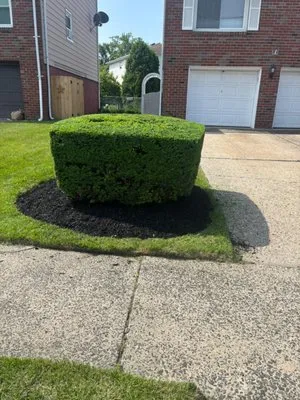
Osiel Landscaping is a trusted, full-service landscaping company serving the Midland Park, NJ community. We specialize in comprehensive property care, from landscape construction and greenscape instal...
Fairway Estates Landscaping is a trusted local landscaping company serving Waldwick, NJ, and surrounding areas. We specialize in addressing common landscaping challenges faced by homeowners in our com...
Select Few in Paramus, NJ, provides expert landscaping services to protect and restore the health of your lawn. In our local climate, lawns are frequently threatened by common issues like damaging fun...
Two Brothers Greenscape is a Hawthorne-based landscaping and design company dedicated to transforming local outdoor spaces. Specializing in landscape design, they address common Hawthorne issues like ...
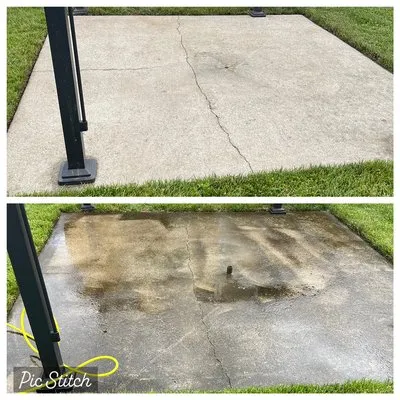
At Reliable Landscaping, we understand that a well-maintained property in Hawthorne is about more than just curb appeal—it’s about creating a healthy, functional outdoor space you can enjoy. Many loca...

Hillsdale Landscaping is a trusted local landscaping company serving Hillsdale, NJ, with over 30 years of experience. We specialize in transforming outdoor spaces into functional, beautiful areas that...
Gary's Village Landscaping is a trusted local landscaping company serving Ridgewood, NJ, and surrounding areas. We specialize in addressing common landscaping challenges faced by homeowners in our com...
Kaplan Landscaping has been a trusted name in Park Ridge, NJ, since 2002, providing reliable landscaping and snow removal services to both residential and commercial clients. With a focus on quality w...
Estimated Landscaping Service Costs in Saddle River, NJ
Frequently Asked Questions
What permits and licenses are required for grading work on my 2-acre property?
Grading projects exceeding 100 cubic yards of soil movement require permits from the Saddle River Borough Planning & Zoning Department. Contractors must hold valid licensing through the New Jersey Division of Consumer Affairs - Home Improvement Contractor program. On 2-acre lots, engineered drainage plans often become necessary to prevent off-site runoff impacts. Professional licensing ensures compliance with state fertilizer laws and proper erosion control during soil disturbance activities.
How quickly can you respond to storm damage for HOA compliance in Saddle River?
Emergency cleanup crews dispatch from Saddle River Borough Hall via the Garden State Parkway, arriving within 20-30 minutes during peak response times. This routing prioritizes access to Saddle River Village Center properties while accounting for traffic patterns. Electric equipment operates within noise ordinance restrictions for after-hours work when necessary. Debris removal and safety assessments proceed immediately upon arrival to meet municipal deadlines.
Why does my Saddle River lawn have drainage issues despite regular watering?
Properties in Saddle River Village Center built around 1984 have acidic sandy loam soil that has matured for 42 years. This soil type naturally develops compaction layers that restrict percolation, especially with the area's high water table. Core aeration with organic amendments like composted leaf mold improves soil structure and permeability. Without this intervention, seasonal saturation becomes problematic during spring thaws and heavy rainfall events.
What drainage solutions work best for Saddle River's high water table?
Seasonal saturation in acidic sandy loam requires French drains or dry wells to manage subsurface water movement. Bluestone pavers installed with permeable jointing materials meet Saddle River Borough Planning & Zoning Department runoff standards by allowing infiltration. Grading should direct water away from foundations toward rain gardens planted with native species. These systems work together to reduce ponding while maintaining soil structure during wet periods.
Can I maintain healthy turf while following Saddle River's water conservation rules?
Wi-Fi ET-based weather sensing irrigation systems automatically adjust watering schedules based on real-time evapotranspiration data. This technology reduces water use by 25-40% while preserving Kentucky Bluegrass and Tall Fescue blends during Stage 1 voluntary conservation periods. Programming follows municipal water limits by skipping cycles after rainfall and reducing runtime during cooler periods. Soil moisture sensors provide additional precision to prevent overwatering in sandy loam conditions.
What invasive species threaten Saddle River landscapes and how should I treat them?
Japanese stiltgrass and garlic mustard present significant risks in woodland-urban interface areas. Manual removal before seed set proves most effective, followed by targeted spot treatments with NJ State Fertilizer Law-compliant products. Avoid phosphorus-containing treatments except for new lawn establishment as per local ordinance. Treatment timing considers blackout dates to protect waterways while eliminating invasive root systems before they compromise native plant communities.
Are bluestone pavers better than wood decking for Saddle River properties?
Bluestone pavers offer superior longevity with minimal maintenance compared to wood decking that requires regular sealing. In moderate Fire Wise rated zones, non-combustible hardscape materials create defensible space around structures. Bluestone's thermal mass moderates temperature fluctuations while its permeability manages runoff. Proper installation with adequate base materials ensures decades of service despite freeze-thaw cycles common in USDA Zone 7a.
How can I reduce lawn maintenance while preparing for stricter noise regulations?
Replacing high-maintenance turf with native plantings like Eastern Redbud, Sweet Pepperbush, Purple Coneflower, and Switchgrass creates biodiversity habitats that require minimal care. These species adapt to USDA Zone 7a conditions without weekly mowing or gas-powered equipment. Transitioning to electric maintenance fleets now anticipates future noise ordinance restrictions on gas blowers. Xeriscaping principles further reduce water needs while supporting 2026 biodiversity standards.
