Top Landscaping Services in Saddle Brook, NJ, 07662 | Compare & Call

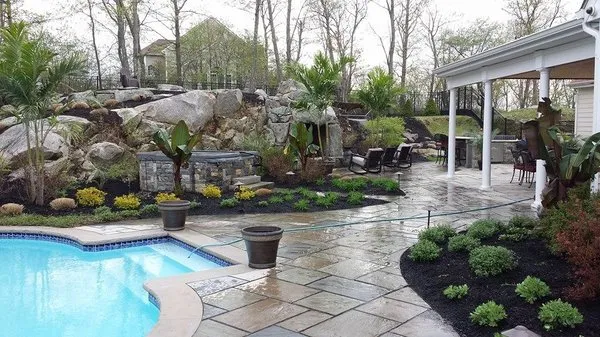
Mirabella Landscape & Construction
Mirabella Landscape & Construction is a family-owned business in Saddle Brook, NJ, founded by Luis and Francisco. With nine years of hands-on experience in the field, they established their own enterp...
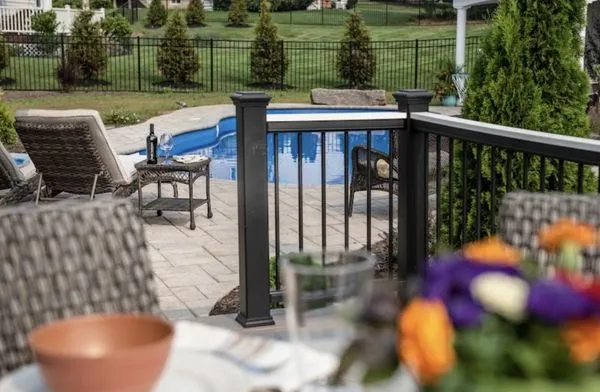
Blue Pine Snow and Landscaping is a locally owned and operated business serving Saddle Brook, NJ, and surrounding areas. With 15 years of experience, owner Sotirios brings a dedicated work ethic to ev...
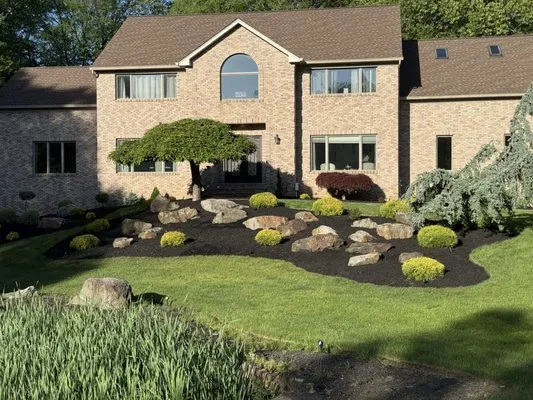
Sileem's Landscaping & Powerwashing is a locally owned and operated business in Saddle Brook, founded on a passion for transforming outdoor spaces. As a young entrepreneur, I started this company to h...

T & G Landscaping is a trusted local landscaping company serving Saddle Brook, NJ, and the surrounding communities. We specialize in addressing common landscaping challenges specific to our area, such...
At Mycogarden in Saddle Brook, our mission is to cultivate vibrant, resilient landscapes that work with nature, not against it. We specialize in custom vegetable gardens, fruit trees, and sustainable ...
Rainbow Sprinklers is a Saddle Brook, NJ-based landscaping company dedicated to keeping local properties beautiful and functional. We specialize in addressing common area challenges like persistent mu...
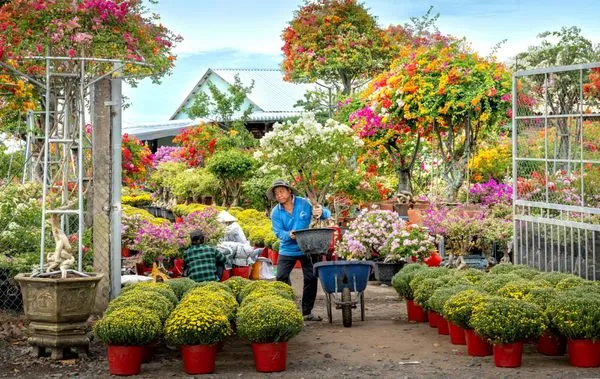
Stone Brook Garden Center & Landscape Supply
Stone Brook Garden Center & Landscape Supply in Saddle Brook, NJ, is a trusted local resource for gardeners and landscapers. We provide a wide selection of plants, flowers, and bulk materials like top...
Shades of Green Landscaping is a dedicated landscaping company serving Saddle Brook, NJ, and the surrounding communities. We specialize in diagnosing and solving the common local issues homeowners fac...
Q&A
Why does my soil seem so compacted and lifeless compared to the park?
Properties in Saddle Brook Center, developed around 1958, have soils that are now 68 years old. The original urban fill and loam was heavily compacted during construction, creating a dense layer that restricts root growth and water percolation. The naturally acidic pH of 6.2-6.5 is manageable, but the primary issue is low organic matter from decades of nutrient extraction. Core aeration followed by top-dressing with compost is the foundational correction, rebuilding soil structure and microbial activity.
What permits and contractor credentials are needed for regrading my yard?
Regrading that alters water flow or involves significant earth movement on a 0.15-acre lot typically requires a permit from the Saddle Brook Township Zoning & Construction Department. The contractor must hold a valid Home Improvement Contractor license from the NJ Division of Consumer Affairs. This is critical because improper grading can cause drainage issues for neighboring properties, leading to liability. Always verify this license and request a certificate of insurance before work begins.
What are the biggest weed threats here, and how do I deal with them safely?
Invasive species like Japanese Knotweed, Mugwort, and Garlic Mustard are prevalent in Saddle Brook. The NJ Fertilizer Law prohibits applying weed-and-feed products to hardscapes and imposes blackout dates, limiting chemical options. For perennial invasives, targeted spot-treatment with a glyphosate alternative in fall, combined with diligent manual removal and pre-emergent corn gluten meal in spring, is effective. Always correct underlying soil health first, as a dense stand of native plants is the best defense against weed establishment.
Are concrete pavers or bluestone better than a wood deck for my patio?
For longevity and low maintenance in our climate, concrete pavers and bluestone are superior to wood. They do not rot, splinter, or require annual sealing, and their inherent fire resistance contributes to a defensible space in Saddle Brook's Low Fire Wise rating zone. Properly installed on a compacted gravel base with polymeric sand, these materials will last decades. Bluestone offers a unique, non-slip natural texture, while concrete pavers provide uniform modularity for complex designs.
Is there a lower-maintenance alternative to my thirsty, weekly-mow lawn?
Yes, a climate-adaptive landscape designed with New Jersey natives like Purple Coneflower, Switchgrass, Butterfly Weed, and New England Aster drastically reduces inputs. These plants are adapted to our Zone 7a climate and acidic soil, requiring no fertilizer, minimal watering once established, and no weekly mowing. This transition also future-proofs your property against evolving noise ordinances targeting gas-powered blowers and mowers, as native beds require only seasonal trimming with quieter electric tools.
My yard has soggy spots every spring. What's the cause and a lasting fix?
This is the seasonal high water table interacting with Saddle Brook's moderate runoff issues and dense, urban fill soil. The soil's low permeability prevents rapid infiltration, causing surface water to pool. A permanent solution involves regrading to create positive drainage away from foundations and installing a French drain or dry well system. Using permeable concrete pavers or spaced bluestone for any new patios can also increase onsite infiltration, helping projects meet Township Zoning runoff standards.
My yard is a mess after a storm and the HOA sent a notice. How fast can a crew get here?
An emergency cleanup crew can typically be dispatched within a business day. From our staging area near Saddle River County Park, the route via I-80 allows for a reliable 20-30 minute arrival to Saddle Brook Center, even during peak traffic associated with storm response. We prioritize these compliance-driven services with electric equipment to operate within the 8:00 AM to 7:00 PM weekday noise ordinance window.
How can I keep my lawn green during summer without violating water rules?
Saddle Brook's Stage 1 voluntary conservation status makes smart irrigation essential. A Wi-Fi ET-based controller is the technical solution, programming itself daily using local evapotranspiration data to apply only the water your Kentucky Bluegrass and Tall Fescue blend actually needs. This method can reduce water use by 20-30% compared to traditional timers, preserving turf health within municipal limits. Deep, infrequent watering cycles also encourage deeper root systems, improving drought resilience.
