Top Landscaping Services in Roselle Park, NJ, 07204 | Compare & Call
There are 187 landscaping companies server in Roselle Park NJ
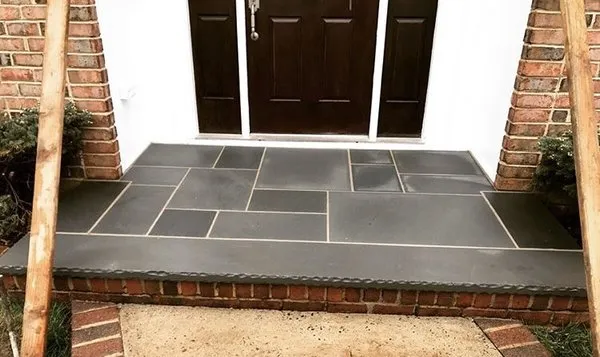
Founded by lifelong friends Dave and Tom, Vali Construction has deep roots in Fanwood. The partners started learning the trade in 8th grade, laboring for family and refining their skills at Union Coun...
August Hardscapes is a Keasbey-based landscaping company dedicated to transforming outdoor spaces in Middlesex and Monmouth counties. Specializing in hardscape construction, they build durable paver d...
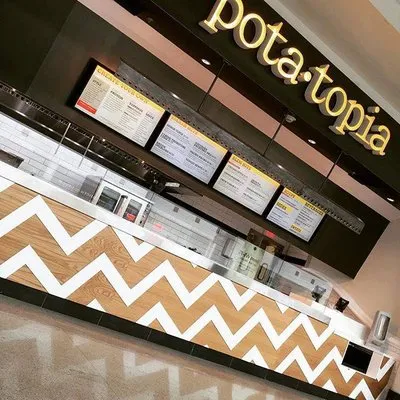
Action Services is a family-operated general contractor and full-service maintenance provider serving Rahway, NJ, and the surrounding tri-state area for over 35 years. As a locally owned business, we ...
Blue Horizon Landscaping is a full-service landscaping company dedicated to enhancing and protecting the properties of Scotch Plains, NJ. We understand the specific challenges local homeowners face, s...
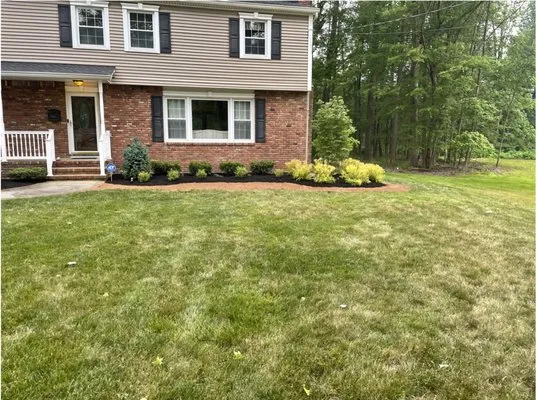
White Birch Landscape Contractors has been serving Kenilworth, NJ, and the surrounding communities since 1992, providing reliable and affordable landscape and hardscape services. As a fully insured lo...
Just A Guy Landscaping is a trusted local landscaping, junk removal, and snow removal company serving Roselle, NJ. We help homeowners tackle common landscaping challenges like landscape edging damage ...
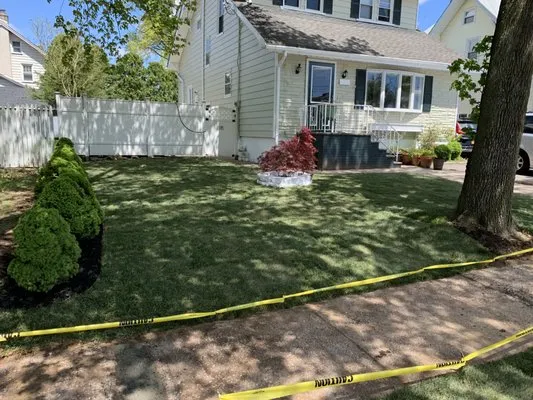
YarDudes is a locally owned and operated lawn service company based in Roselle, NJ, founded in 2016 by Diego, a neighborhood resident who started by helping neighbors with their lawns. Motivated by po...
Campagna Lawn Care is a trusted landscaping company serving Roselle Park, NJ, with a focus on solving common local yard drainage problems. Many homes in the area struggle with standing water and poor ...
Johnny's Landscaping is a trusted, locally-owned service in Cranford, NJ, dedicated to solving common yard problems for homeowners. We understand the specific challenges of our area, such as standing ...
All American Landscape Contractors
All American Landscape Contractors is a trusted Cranford, NJ-based company specializing in comprehensive landscaping solutions. As local garden and landscape experts, we provide professional gardening...
Estimated Landscaping Service Costs in Roselle Park, NJ
Frequently Asked Questions
What permits and licenses are required for grading work on my Roselle Park property?
The Roselle Park Building Department requires permits for grading that alters more than 100 square feet or changes drainage patterns. Contractors must hold New Jersey Division of Consumer Affairs Home Improvement Contractor licensing for earthwork on 0.14-acre lots. This ensures proper erosion control during construction and compliance with state sediment regulations. Unlicensed grading risks fines and may void property insurance coverage for subsequent drainage issues.
What solutions exist for moderate runoff problems in my Roselle Park yard?
Clay-heavy subsoil beneath acidic silt loam creates poor permeability that exacerbates runoff issues. Installing permeable concrete pavers or bluestone allows water infiltration while meeting Roselle Park Building Department runoff standards. French drains or dry wells connected to these hardscape elements redirect water from foundation areas. Grading adjustments of just 2% slope away from structures significantly reduce standing water problems common in 0.14-acre lots.
How quickly can you respond to an emergency tree cleanup after a storm in Roselle Park?
Our electric maintenance fleet can dispatch from Michael J. Mauri Park within 20-30 minutes during peak storm response. We route via the Garden State Parkway to minimize travel time while complying with seasonal noise ordinances for equipment operation. This allows rapid HOA compliance for fallen branches or debris removal without violating restricted hours for gas-powered equipment in residential areas.
How do I maintain my Kentucky Bluegrass and Tall Fescue lawn during Stage 1 water restrictions?
Wi-Fi ET-based weather sensing irrigation systems calculate evapotranspiration rates to deliver precise water amounts matching turf needs. This technology reduces water use by 20-30% compared to traditional timers while preserving grass health. Programming follows municipal voluntary conservation guidelines, adjusting for soil moisture retention in acidic silt loam. Deep, infrequent watering encourages deeper root growth that withstands dry periods better than frequent shallow irrigation.
What low-maintenance alternatives exist for high-water turf areas in my landscape?
Transitioning to native plantings like Purple Coneflower, New England Aster, and Switchgrass reduces water needs by 60-80% compared to traditional turf. These species support local pollinators while requiring minimal maintenance that aligns with evolving noise ordinances. Butterfly Milkweed and Wild Bergamot establish deep root systems that improve soil structure and drought tolerance. This approach creates habitat corridors that exceed 2026 biodiversity standards for urban-suburban interfaces.
Are concrete pavers or bluestone better than wood for durable outdoor surfaces?
Concrete pavers and bluestone offer 25+ year lifespans versus wood's 10-15 years with regular maintenance. These non-combustible materials contribute to defensible space in low Fire Wise rated areas like Roselle Park's urban-suburban interface. Their thermal mass moderates microclimate temperatures while permeable installations manage runoff. Bluestone's natural variation provides aesthetic appeal without the decay, insect damage, or seasonal movement issues of wood products.
Why does my Roselle Park Center yard have such compacted soil that struggles to grow healthy grass?
Roselle Park's 1950s-era construction created soil with 76 years of maturation, resulting in acidic silt loam that has become dense and nutrient-depleted. The clay-heavy subsoil common in this neighborhood restricts root penetration and water percolation. Core aeration with organic amendments like composted leaf mold improves soil structure and microbial activity. This addresses the pH 6.2-6.8 range while enhancing permeability for better plant establishment.
How should I handle invasive species without violating fertilizer application rules?
Identify common invaders like Japanese knotweed or garlic mustard early for mechanical removal before seed set. Spot treatment with EPA-approved herbicides follows NJ Fertilizer Law restrictions that prohibit phosphorus applications outside new seeding periods. The November-March blackout period requires alternative strategies like solarization or targeted organic amendments. Proper disposal prevents reinfestation while maintaining soil health in USDA Zone 7b conditions.
