Top Landscaping Services in Princeton, NJ, 08540 | Compare & Call
There are 163 landscaping companies server in Princeton NJ
Benites Landscaping has been serving Howell, NJ, and surrounding communities for over 15 years, providing reliable, high-quality landscaping and tree services. We specialize in a wide range of service...
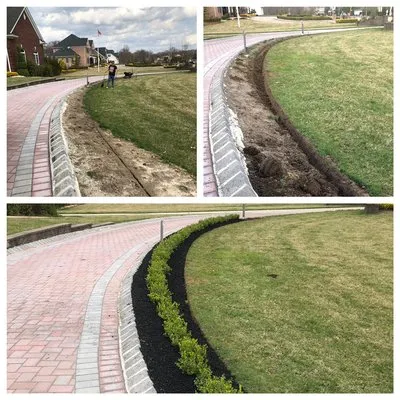
Everest Lawn Service is a family-owned and operated business serving Monroe Township and the surrounding area since the early 1990s. Founded by a Rider University graduate and licensed pesticide appli...
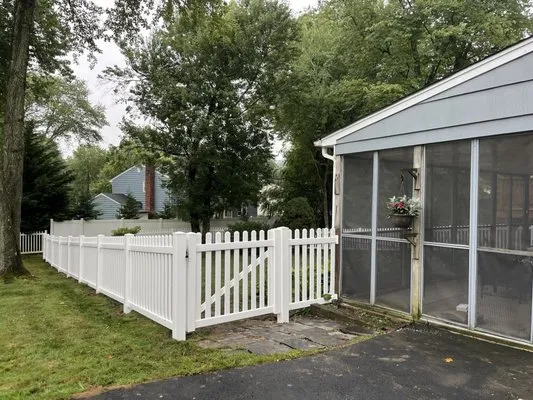
Great Escape LLC is a licensed landscaping and fencing contractor serving Cranford, NJ, with over 15 years of local experience. Founded by an owner passionate about quality work and helping neighbors,...
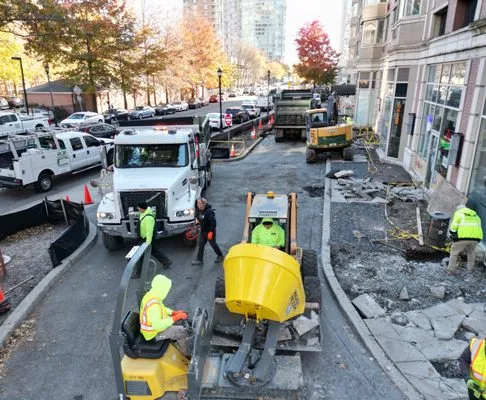
DCR Companies is a family-owned construction firm serving Metuchen, NJ, and surrounding areas since 1989. Specializing in landscaping, snow removal, and masonry/concrete work, we provide reliable solu...
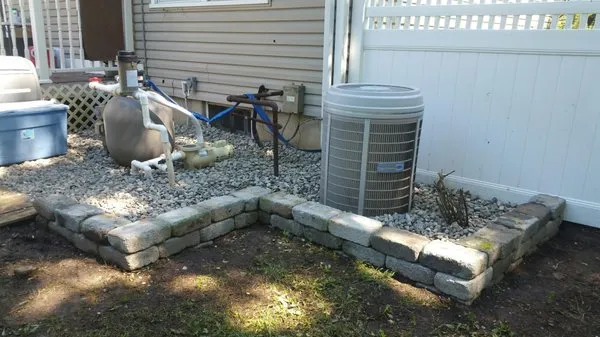
Short And Sweet Landscaping in East Windsor, NJ, provides expert landscaping solutions tailored to the local environment. Many area homeowners face challenges like overgrown shrubs and tree roots dama...
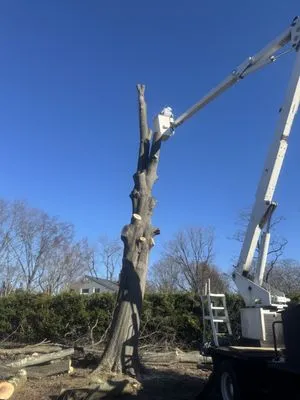
For over 15 years, Garcia & Sons Landscaping has been a trusted partner for homeowners in Tinton Falls, NJ, transforming outdoor spaces with integrity and skill. As a local, family-operated business, ...
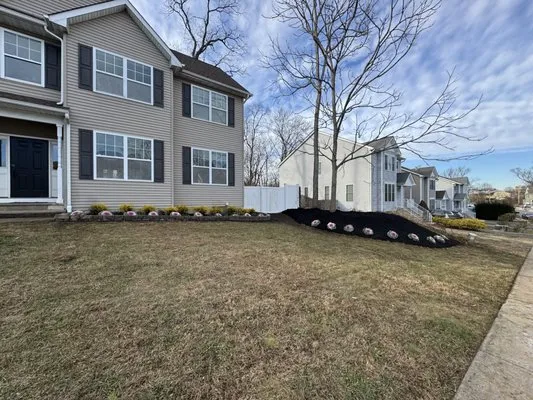
R&M Landscape & Design
R&M Landscape & Design is a locally owned and operated landscaping company serving Lakewood, NJ, and surrounding Ocean and Monmouth Counties. Founded with a vision to transform outdoor spaces into bea...
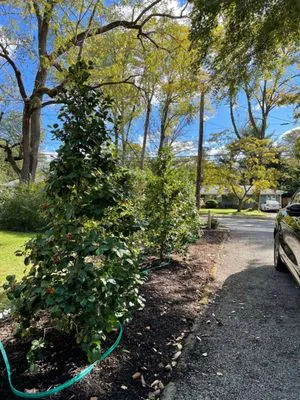
Rutgers Landscape & Nursery
Founded in 1986 by Jim Brophy, Rutgers Landscape & Nursery began as a humble local venture with a simple goal: to bring dependable, high-quality landscaping to New Jersey. What started with a push mow...
Atlantic Landscape Solutions
Atlantic Landscape Solutions, founded by Joe, began in 1994 with a single lawn mower and a neighborhood's trust in North Brunswick. Today, with over 25 years of experience, we've grown into a licensed...
Palma Landscape & Hardscape
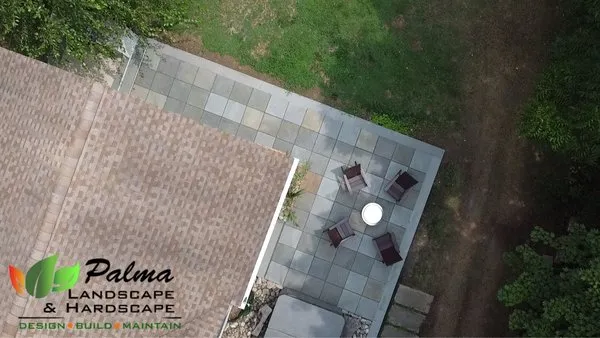
Palma Landscape & Hardscape is a family-owned and operated business serving Hamilton, NJ, and surrounding areas with over 30 years of experience in landscape architecture, design, construction, and ma...
Estimated Landscaping Service Costs in Princeton, NJ
Common Questions
I've spotted what looks like invasive Japanese Knotweed. How should I handle it?
Correct identification is key, as Knotweed and other invasive species like Lesser Celandine are active in early spring. Manual removal or targeted, professional-grade herbicide application is required before it sets seed. All treatment plans must comply with NJ's Fertilizer Law, which prohibits phosphorus application and mandates careful timing to avoid blackout dates, ensuring remediation doesn't contribute to nutrient runoff into local watersheds.
My yard has persistent soggy areas, especially in spring. What's the cause and a lasting fix?
This is a classic symptom of Princeton's moderate runoff hazard and seasonal high water table interacting with slow-draining acidic silt loam. Surface grading alone is insufficient. A integrated solution involves installing French drains or dry wells to intercept subsurface water, coupled with replacing impervious surfaces with permeable concrete pavers. This system increases infiltration, meets Princeton Planning Department stormwater standards, and alleviates the saturated conditions that stress turfgrass roots.
I have a storm-damaged tree limb blocking my driveway and an HOA deadline. What's your emergency response protocol?
For urgent safety and compliance issues, our electric fleet is dispatched from our Palmer Square staging area. We take US Route 1 to the Western Section, navigating peak traffic for an estimated 20-30 minute arrival. The initial response focuses on safe removal of hazardous debris to restore access and mitigate immediate property damage, with a detailed follow-up assessment scheduled for any required restorative pruning or stump management.
How can I keep my lawn green during Princeton's voluntary water conservation stage?
Stage 1 voluntary conservation prioritizes efficient water use. A smart, Wi-Fi ET-based irrigation system is the solution, as it schedules watering based on real-time evapotranspiration data and local weather sensing. This technology applies water only when and where your Kentucky Bluegrass and Tall Fescue blend needs it, preventing overwatering and keeping your turf resilient while staying well within municipal guidance and preserving the seasonal water table.
I want to reduce mowing, blowing, and watering. What's a climate-adaptive alternative to my traditional lawn?
Transitioning high-input turf areas to a layered planting of Mid-Atlantic natives is the most effective long-term strategy. A matrix of Switchgrass for structure, interplanted with Purple Coneflower and Swamp Milkweed, supports 2026 biodiversity standards and requires no supplemental water once established. This xeriscape approach eliminates weekly mowing, aligns with seasonal gas-powered blower restrictions, and provides year-round ecological function with minimal maintenance.
We're adding a patio. Are permeable pavers or wood decking better for our Princeton property?
For longevity and low maintenance in our climate, permeable concrete pavers or bluestone significantly outperform wood. They do not rot, warp, or require chemical treatments, and their permeability directly mitigates the site's runoff hazard. While Princeton has a low Fire Wise rating, using non-combustible hardscape materials like stone or pavers for patios and pathways inherently creates defensible space, an increasingly prudent consideration for suburban interfaces.
What should I verify before hiring a contractor to regrade my 0.35-acre lot?
Any significant grading that alters water flow or involves excavation exceeding 18 inches requires review by the Princeton Planning Department. You must hire a contractor licensed by the New Jersey Division of Consumer Affairs for home improvement work. For a lot of this size, improper grading can create downstream drainage issues or violate sediment control ordinances, making proper licensing and permitting non-negotiable for legal and ecological protection.
My soil seems tired and compacted. Why is this common for homes in the Western Section?
Princeton's Western Section was largely developed around 1967, meaning your soil has matured under turf for nearly 60 years. Acidic silt loam, the predominant native soil here, is prone to compaction, which reduces percolation and root zone oxygen. Core aeration in early fall, followed by top-dressing with compost, is critical to amend this compaction and build organic matter without drastically altering the naturally acidic pH that many native plants prefer.
