Top Landscaping Services in Phillipsburg, NJ, 08865 | Compare & Call

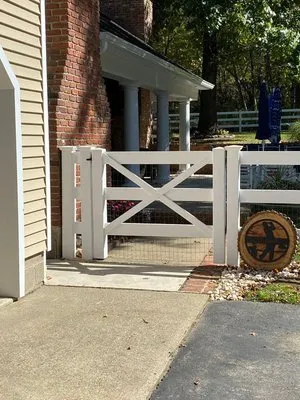
Marino's Lawn Care helps Phillipsburg residents and businesses achieve healthy, beautiful outdoor spaces. We focus on practical, reliable services from routine mowing and seasonal mulching to more com...

Anytime Property Maintenance is a Phillipsburg-based, fully licensed and insured company built on over 35 years of combined professional experience. Founded over a decade ago, APM LLC represents a str...

El Olan Cleaning Services is a trusted, family-owned provider serving the Phillipsburg community for over a decade. We specialize in comprehensive property maintenance, offering both commercial and re...
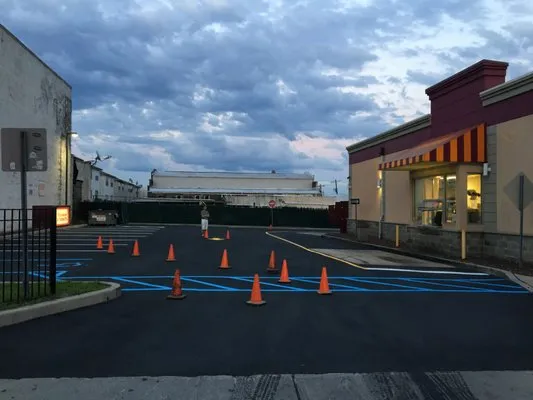
Drive Paving And Sealcoating
Sam Petty, owner and operator of Drive Paving And Sealcoating, is a third-generation professional who grew up in the trade in Phillipsburg. Having seen equipment and technology evolve, his core belief...

Keep It Clean Pressure Washing & Lawn Maintenance
After eight years honing his craft with other companies, the owner of Keep It Clean Pressure Washing & Lawn Maintenance is now proudly serving Phillipsburg directly. This new, independent venture comb...
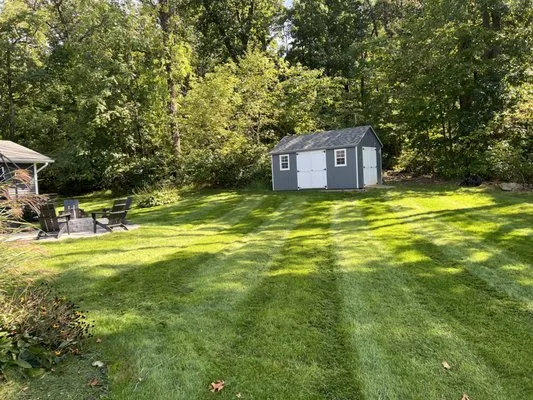
Riverside Lawn Care LLC is a licensed and insured lawn service provider based in Phillipsburg, NJ, dedicated to delivering reliable and professional lawn care solutions. We specialize in weekly lawn m...
Bruce's Mower Service is your trusted, local lawn care expert in Phillipsburg, NJ. We understand the specific challenges homeowners face in our area, including uneven sprinkler coverage and persistent...
Greener Gardens Lawn Care is your trusted local partner for a healthy, beautiful lawn in Phillipsburg, NJ. We specialize in comprehensive lawn care services, from regular mowing and fertilization to s...
AB's Multipotentialities is a Phillipsburg-based home services provider dedicated to solving common local property challenges. We specialize in lawn care, snow removal, and general handyman work, offe...
Underdog Landscaping, LLC is your local Phillipsburg partner for creating beautiful and resilient outdoor spaces. As a locally owned and operated company, we work directly with homeowners to design an...
Common Questions
How quickly can you respond to storm damage for HOA compliance?
Emergency cleanup dispatch from Riverside Park via US Route 22 achieves 20-30 minute peak response times. Crews carry electric chainsaws and battery-powered blowers to comply with Phillipsburg's 9:00 PM to 7:00 AM noise ordinance. Initial assessment prioritizes safety hazards like hanging limbs before addressing cosmetic damage. Documentation for insurance claims includes timestamped photos and detailed work descriptions meeting most HOA requirements.
Why does my Downtown Phillipsburg lawn struggle despite regular care?
Phillipsburg's 1942 average house age means soil has matured for 84 years, developing acidic channery silt loam with pH 5.5-6.5. This soil type in Downtown lots often becomes compacted, reducing permeability and root penetration. Core aeration with organic amendments like composted leaf mold addresses compaction while gradually raising pH toward neutral. Regular soil testing every 2-3 years monitors nutrient availability, particularly phosphorus under NJ Fertilizer Law restrictions.
What permits and licenses are needed for grading my 0.15-acre lot?
Grading altering more than 100 square feet requires Phillipsburg Planning & Zoning Department review for erosion control and drainage compliance. Contractors must hold New Jersey Division of Consumer Affairs - Home Improvement Contractor licensing, verifying insurance and bonding. Professional landscape architects often submit grading plans showing contour changes not exceeding 2:1 slopes. These regulations prevent downstream sedimentation in the Delaware River watershed while ensuring proper surface water management on small urban lots where every inch of elevation matters.
Is Pennsylvania Bluestone better than wood for patios in our climate?
Pennsylvania Bluestone offers 50+ year longevity versus wood's 10-15 year lifespan in Phillipsburg's freeze-thaw cycles. Its non-combustible nature supports Moderate Urban-Forest Interface fire-wise ratings by creating defensible space around structures. Properly installed with polymeric sand joints, bluestone remains stable despite acidic soil conditions that accelerate wood decay. Thermal mass properties moderate temperature extremes, reducing heat island effect compared to composite materials while providing natural slip resistance when wet.
Can I maintain Kentucky Bluegrass and Tall Fescue during water restrictions?
Wi-Fi ET-based weather sensing irrigation automatically adjusts schedules using real-time evapotranspiration data from NJDEP Water Watch. This technology reduces water use 20-30% while preserving turf health by delivering moisture during optimal absorption windows. Programming separate zones for sun-exposed versus shaded areas prevents overwatering. During normal restriction periods, deep infrequent watering encourages deeper root systems that withstand drought stress better than frequent shallow irrigation.
How can I reduce maintenance while supporting local ecology?
Replacing high-maintenance turf with Monarda fistulosa, Asclepias syriaca, Schizachyrium scoparium, and Symphyotrichum novae-angliae creates habitat supporting 3-5 times more pollinator species. These natives require minimal watering once established and eliminate weekly mowing, reducing gas equipment use ahead of tightening noise ordinances. Electric maintenance fleets operate quietly during permitted hours while eliminating emissions. Layered planting with varying bloom times provides visual interest from May through October without chemical inputs.
What invasive species threaten Phillipsburg landscapes, and how do I manage them?
Japanese knotweed and mile-a-minute vine present significant risks in USDA Zone 6b, spreading rapidly through root fragments and bird-dispersed seeds. Manual removal before seed set combined with targeted glyphosate applications during active growth phases controls infestations. These treatments avoid NJ Fertilizer Law's December 1 to March 1 application blackout while minimizing environmental impact. Regular monitoring of property edges near US Route 22 corridors catches new invasions early when management is most effective.
What drainage solutions work for properties near the Delaware River floodplain?
Moderate runoff in acidic channery silt loam requires graded swales directing water away from foundations toward rain gardens. Permeable Pennsylvania Bluestone installations meet Phillipsburg Planning & Zoning Department runoff standards while allowing 40-50% infiltration versus impervious surfaces. French drains with clean washed stone wrapped in geotextile fabric prevent silt clogging. These systems reduce basement flooding risks in floodplain-adjacent properties while improving soil moisture management during dry periods.
