Top Landscaping Services in Pennsville, NJ, 08023 | Compare & Call

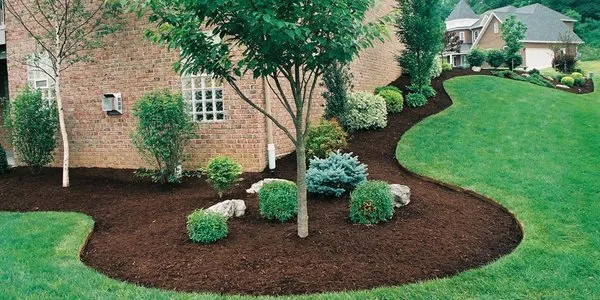
Y&Z Landscaping is a full-service landscaping company serving Pennsville, NJ, and surrounding areas. We specialize in comprehensive landscape design, construction, and maintenance, offering everything...

Nature's Edge Excavation is a Pennsville, NJ-based company specializing in demolition, excavation, and lawn services. Founded in 2024 by experienced professionals, we bring years of hands-on expertise...
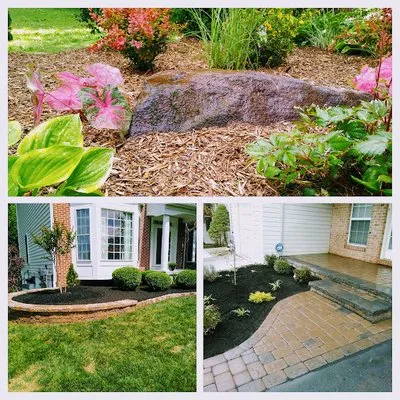
Artiztic Creations
Artiztic Creations is a family-owned landscaping and tree service business based in Pennsville, NJ, serving Southern Jersey and the Delaware Valley since 2017. We specialize in comprehensive outdoor s...

Hunters Lawncare and More is your Pennsville neighbor dedicated to keeping your property in its best shape. As a locally owned and operated service, we understand the specific needs of Salem County ya...
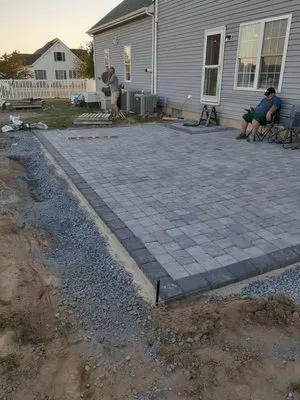
Oscar's Powerwashing is a Pennsville-based company specializing in pressure washing and landscaping services, with a focus on deck construction, repair, and replacement. We understand the local challe...
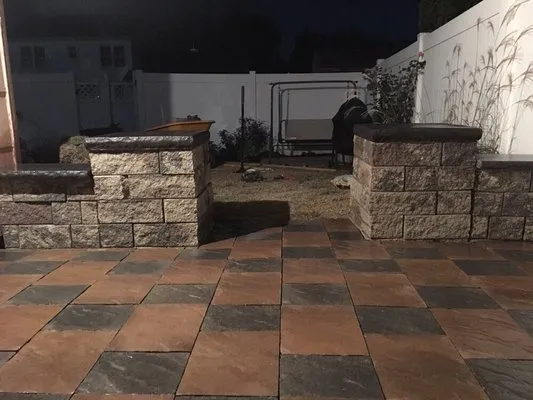
At Loyal Lawn Design in Pennsville, our foundation is built on a simple, powerful principle: 'A Happy Customer is a Loyal One.' My work ethic was forged on a dairy farm in upstate New York, where dedi...
All Seasons Landscaping is a dedicated, full-service landscaping company serving Pennsville, NJ, and the surrounding Delaware Valley. We specialize in transforming outdoor spaces with durable, high-qu...

D'Angelo & Bros Lawn & Outdoor Maintenance is a trusted, family-run lawn care service proudly serving Pennsville, NJ. We understand that local lawns face specific challenges, particularly from uneven ...
NGS Landscaping is a trusted, local landscaping company serving Pennsville, NJ, and the surrounding areas. We specialize in diagnosing and solving the common regional issues of poor lawn grading and p...
Dukes Landscaping is a trusted local landscaping company serving Pennsville, NJ homeowners with practical solutions for common yard challenges. We specialize in addressing the specific issues Pennsvil...
Common Questions
Are permeable pavers better than wood for patio longevity?
Permeable concrete pavers offer 25+ year lifespans with minimal maintenance compared to wood's 10-15 year replacement cycle. Their non-combustible nature supports Moderate Fire Wise ratings by creating defensible space around structures. The interlocking design accommodates soil movement in Sandy Loam while providing stable, ADA-compliant surfaces that resist frost heave and seasonal groundwater fluctuations.
What permits and licenses are needed for grading my 0.25-acre lot?
Grading projects exceeding 100 cubic yards of soil movement require Pennsville Township Planning & Zoning Department review for erosion control compliance. Contractors must hold New Jersey Division of Consumer Affairs - Home Improvement Contractor licensing with specific endorsements for earthwork. Professional engineering stamps may be necessary when modifying drainage patterns or creating slopes steeper than 3:1 ratios on properties of this size.
How do I treat invasive species without violating fertilizer laws?
Targeted manual removal of Japanese stiltgrass and garlic mustard precedes careful application of organic herbicides during permitted windows. The NJ Fertilizer Law restricts nitrogen applications between November 15th and March 1st, requiring precise timing for any soil amendments. We implement cultural controls through dense native plantings that outcompete invasives while maintaining required buffer zones from water features and property boundaries.
Should I replace high-maintenance turf with native plants?
Transitioning to Eastern Redbud, Switchgrass, and Highbush Blueberry reduces mowing frequency while providing year-round habitat for pollinators. These natives require minimal irrigation once established and eliminate weekly gas-powered equipment use ahead of tightening noise ordinances. A phased conversion maintains visual continuity while building soil organic matter through deep-rooted perennial systems that outperform traditional turf in nutrient cycling.
How quickly can you respond to storm damage for HOA compliance?
Emergency cleanup crews dispatch from Riverview Beach Park via I-295, reaching Pennsville Village within 20-30 minutes during peak conditions. Our electric maintenance fleet operates within the 8 AM to 8 PM noise ordinance window without gas-powered equipment restrictions. We prioritize fallen branches, debris clearance, and turf restoration to meet immediate safety standards while scheduling follow-up soil stabilization.
Can I maintain Tall Fescue turf during Stage 1 water restrictions?
Smart Wi-Fi ET-based controllers calculate evapotranspiration rates to deliver precise irrigation volumes that comply with voluntary conservation measures. These systems adjust watering schedules based on real-time weather data, soil moisture sensors, and plant water requirements. This technology maintains Tall Fescue health while reducing water usage 30-40% compared to traditional timer-based systems, staying well within municipal water allocation limits.
Why does my Pennsville Village lawn struggle with drainage and compaction?
Pennsville Village properties average 63 years of development, creating mature Sassafras Sandy Loam soil with reduced permeability. This soil type naturally compacts over decades, limiting water infiltration and root penetration. Core aeration every 2-3 years introduces oxygen channels while top-dressing with composted organic matter improves soil structure. These amendments address the historical accumulation of thatch and restore the soil's natural drainage capacity.
What solutions address poor infiltration near the Delaware River?
High water tables in Pennsville require permeable concrete pavers that allow 80-90% of rainfall to infiltrate directly into Sassafras Sandy Loam soil. These systems create subsurface storage capacity while meeting Pennsville Township Planning & Zoning Department runoff standards. French drains with clean aggregate and dry creek beds provide additional conveyance paths, preventing surface pooling during heavy precipitation events common in this microclimate.
