Top Landscaping Services in Peapack and Gladstone, NJ, 07931 | Compare & Call
There are 199 landscaping companies server in Peapack And Gladstone NJ
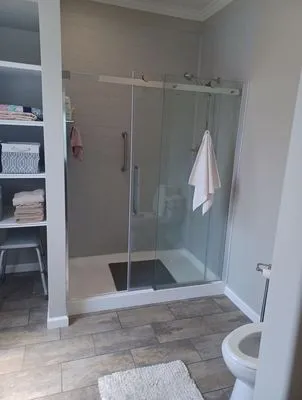
Olive Branch Home & Landscape Services
Olive Branch Home & Landscape Services is a trusted, full-service contractor proudly serving Pittstown and the surrounding communities. With over 35 years of hands-on experience, we are your local exp...
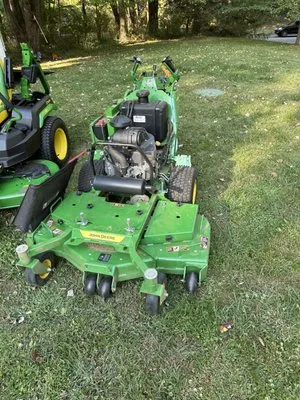
Ananky Mowing And Snow Plowing is a trusted, full-service landscaping and snow removal company serving Bedminster, NJ. We specialize in comprehensive lawn care, shrub maintenance, tree services, and w...
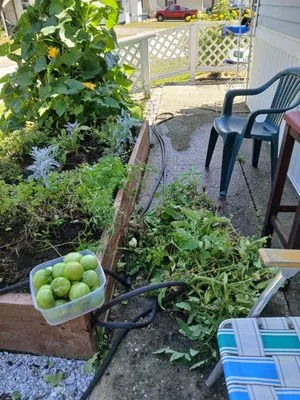
Cheyo Landscaping is your Lafayette, NJ neighbor dedicated to creating and maintaining beautiful, resilient outdoor spaces. We understand the common local challenges of bare lawn patches and soil comp...
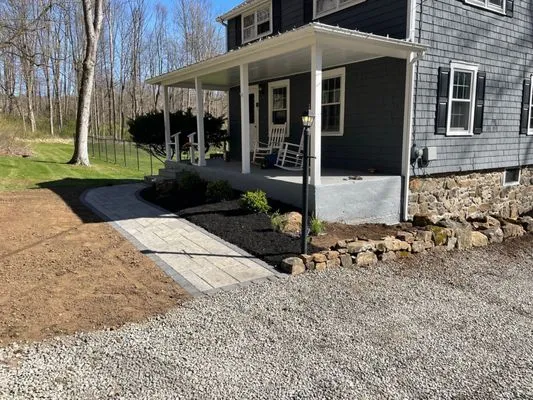
Stone Creek Landscape Construction is a full-service landscaping company serving Mendham, NJ, and the surrounding communities. We specialize in creating and maintaining beautiful, functional outdoor s...
Keystone And Garden Landscaping is a trusted local landscaping company serving Bedminster, NJ, and surrounding areas. We specialize in addressing common local landscaping challenges, such as dead lawn...
Helmers Landscaping is a trusted, locally-owned landscaping company serving Bernardsville, NJ, and the surrounding areas. We specialize in addressing common local landscaping challenges, particularly ...
Guerrieri Landscaping is a trusted Bernardsville, NJ landscaping company dedicated to enhancing local properties with practical, effective solutions. We specialize in addressing common Bernardsville l...
Marroquin Landscaping is a trusted local landscaping company serving Bernardsville, NJ, and the surrounding communities. We specialize in diagnosing and solving common local yard issues, particularly ...
Cabby Landscaping
Cabby Landscaping is a trusted Bernardsville, NJ landscaping company specializing in comprehensive solutions for local homeowners. We understand that many Bernardsville properties face common issues l...
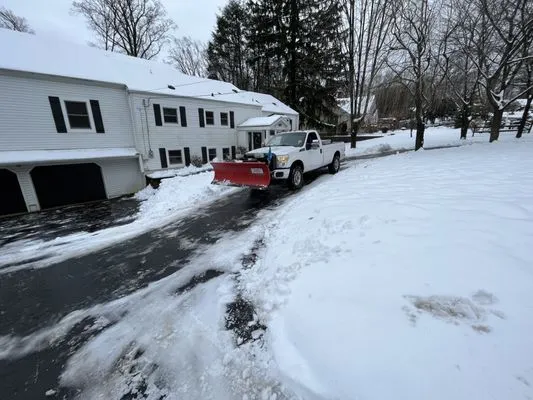
Santiago Landscaping & Cleaning Service
Santiago Landscaping & Cleaning Service is a trusted, locally-owned business serving Mendham Township and surrounding areas. With years of hands-on experience, our team provides reliable landscaping a...
Estimated Landscaping Service Costs in Peapack and Gladstone, NJ
FAQs
Why choose bluestone over wood for patio materials in our area?
Bluestone and permeable concrete pavers offer superior longevity compared to wood in Peapack's climate. These materials withstand freeze-thaw cycles without rotting or warping. For properties with Moderate Fire Wise ratings due to WUI proximity, non-combustible hardscapes create defensible space around structures. Bluestone requires minimal maintenance and doesn't need chemical treatments that could violate local ordinances. The thermal mass of stone helps moderate temperature extremes in adjacent planting beds.
Why does my Peapack Village lawn have drainage issues and poor grass health?
Properties in Peapack Village built around 1971 have 55-year-old soil profiles. Acidic loam soils (pH 5.5-6.5) in this neighborhood have likely experienced compaction from decades of foot traffic and equipment use. This reduces soil percolation and oxygen availability to grass roots. Core aeration with organic amendments like composted leaf mold can improve soil structure and microbial activity. Regular soil testing every 2-3 years helps monitor pH levels and nutrient availability.
What permits and licenses are needed for grading work on my 1.2-acre property?
Grading projects on 1.2-acre lots in Peapack and Gladstone require permits from the Borough Planning & Zoning office, especially when altering drainage patterns. Contractors must hold New Jersey Division of Consumer Affairs - Home Improvement Contractor licensing. Soil disturbance exceeding certain thresholds may trigger NJDEP land use regulations. Professionals should carry appropriate insurance for earthmoving equipment operation. Proper licensing ensures compliance with NJ Fertilizer Law regarding soil stabilization after grading operations.
What are alternatives to high-maintenance turf that reduce equipment noise?
Replacing turf areas with native plant communities reduces maintenance frequency and equipment use. Eastern Redbud, Sweet Pepperbush, and Butterfly Weed establish deep root systems that require minimal watering once established. Little Bluestem provides year-round interest with low maintenance needs. These plantings create habitat while eliminating weekly mowing during April-October. The transition supports 2026 biodiversity standards and reduces reliance on gas-powered equipment subject to noise restrictions.
What solutions exist for moderate runoff issues in our lowland areas?
Acidic loam soils in Peapack and Gladstone's lowlands have seasonal high water tables that exacerbate runoff problems. Permeable concrete pavers and bluestone installations allow water infiltration rather than surface runoff. These materials meet Borough Planning & Zoning runoff standards by reducing impervious surfaces. French drains with clean stone aggregate can redirect water away from foundations. Dry creek beds with native stone provide both functional drainage and aesthetic appeal while supporting local ecology.
How quickly can you respond to emergency storm damage for HOA compliance?
Emergency cleanup crews dispatch from Liberty Park with electric equipment to comply with noise ordinances. The route via I-287 allows arrival within 20-30 minutes during peak response situations. This timing accommodates both immediate safety concerns and HOA compliance deadlines. Electric chainsaws and chippers operate within restricted hours (08:00-18:00 weekdays) without violating local noise regulations. The response prioritizes clearing driveways and walkways first for accessibility.
How can I maintain Kentucky Bluegrass during Stage 1 water restrictions?
Wi-Fi ET-based weather sensing irrigation systems calculate evapotranspiration rates using local weather data. These systems automatically adjust watering schedules based on actual plant needs rather than fixed timers. For Kentucky Bluegrass and Fine Fescue blends, this typically reduces water usage by 20-30% while maintaining turf health. The system can be programmed to respect municipal water limits during voluntary conservation periods. Deep, infrequent watering encourages deeper root growth and drought tolerance.
How should I treat invasive species without violating fertilizer regulations?
Japanese stiltgrass and garlic mustard present significant invasive risks in USDA Zone 6b. Manual removal before seed set is most effective for small infestations. For larger areas, targeted herbicide applications should avoid NJ Fertilizer Law blackout dates (typically November 15-December 1 and March 1-April 1). Organic approaches include solarization with clear plastic or vinegar-based solutions for driveway cracks. Always identify invasives through Rutgers Cooperative Extension before treatment to avoid harming native Virginia Creeper or other desirable species.
